The cost of not giving
We all think about what giving costs us. But what about the cost of not giving?
Dhul Hijjah is a reminder that generosity is one of the most beloved acts in Islam. For Muslims, giving Khums and charity is a way to purify wealth, strengthen faith, and help those who are struggling.
Allah (swt) says:
“The example of those who spend their wealth in the way of Allah is like a seed growing seven ears…”
Surah Al-Baqarah, Ayah 261
When we hold tightly to wealth, we can miss opportunities for reward, mercy, and spiritual growth.
The real cost of not giving
Not giving can affect more than our finances. It can affect our hearts.
The cost may include:
- Missed rewards in the Hereafter
- Reduced spiritual growth
- Less gratitude
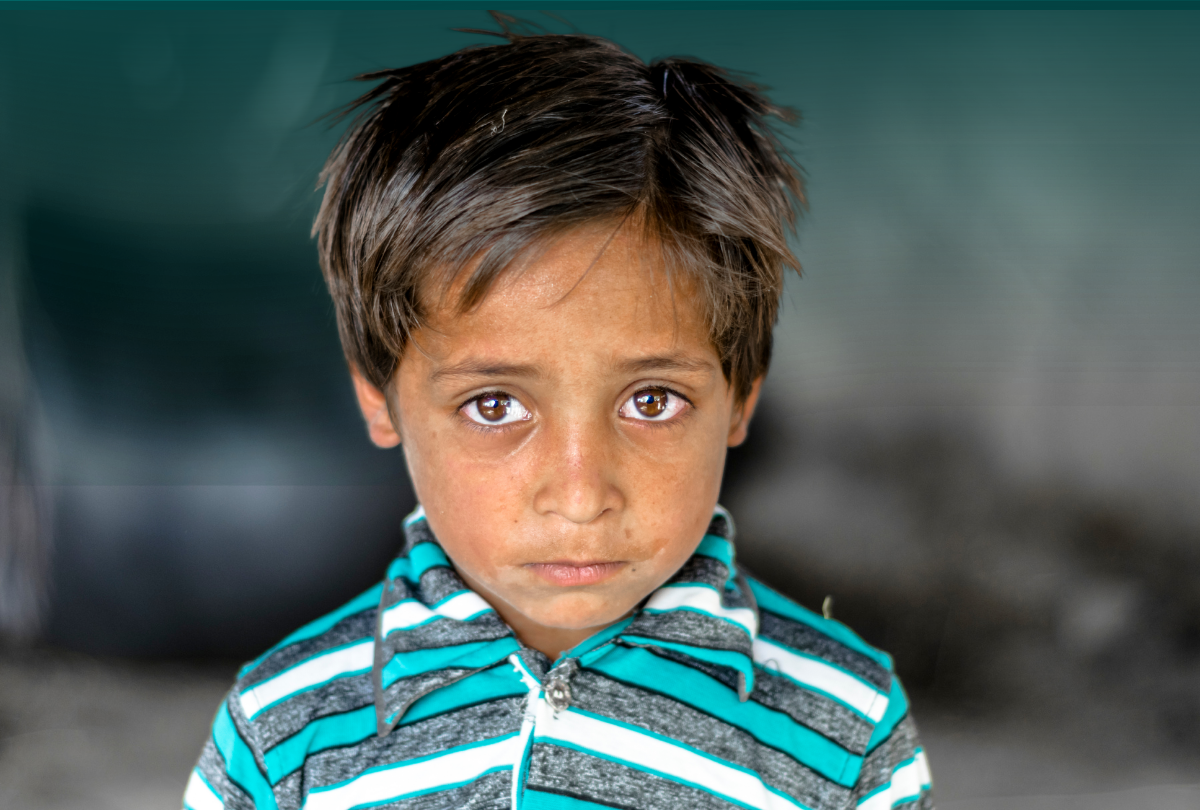
- Ignoring people in need
- Becoming attached to material things
Dhul Hijjah is the perfect opportunity to give sincerely and reconnect with Allah (swt).
Support those in need
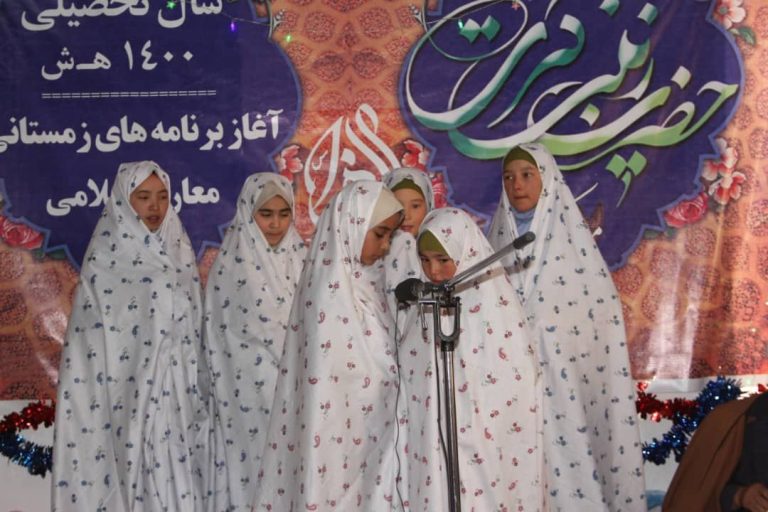
Through The Zahra Trust, your donations can support:
- Food assistance
- Orphan care
- Emergency aid
- Islamic education
- Community support programs
Every contribution matters.
Make these blessed days count
The first ten days of Dhul Hijjah are precious. Don’t let them pass without giving something for the sake of Allah (swt).
Fulfill your responsibility and support meaningful projects through The Zahra Trust.
FAQs
Charity helps purify wealth, support communities, and strengthen faith.
It can lead to missed rewards, attachment to wealth, and less compassion.
Good deeds during Dhul Hijjah carry increased blessings and rewards.
Yes. The Zahra Trust offers secure online donations.
The Zahra Trust supports humanitarian aid, education, and vulnerable communities.
Yes. Islam teaches that sincere charity brings barakah and reward.