Khums in Dhul Hijjah: Purifying wealth at a sacred time
Dhul Hijjah is more than a sacred month – it’s a chance to reconnect with Allah (swt), purify your heart, and give back in a meaningful way.
For Muslims, paying Khums during these blessed days is one of the most rewarding acts of worship. It’s not just about money. It’s about faith, gratitude, and using our blessings to help others.
Allah (swt) says in the Qur’an:
“And whatever thing you gain, indeed for Allah is one fifth of it…”
Surah Al-Anfal, Ayah 41
As we reflect on sacrifice and devotion during Dhul Hijjah, this is the perfect time to fulfill your Khums obligation through The Zahra Trust.
Why Khums matters during Dhul Hijjah
The first ten days of Dhul Hijjah are beloved to Allah (swt). Every act of worship carries multiplied rewards.
Paying Khums now allows you to:
- Purify your income
- Earn spiritual rewards
- Support Shia communities
- Help families in need
- Strengthen your connection with Allah (swt)
What does Khums support?
Through The Zahra Trust, your Khums can help fund:
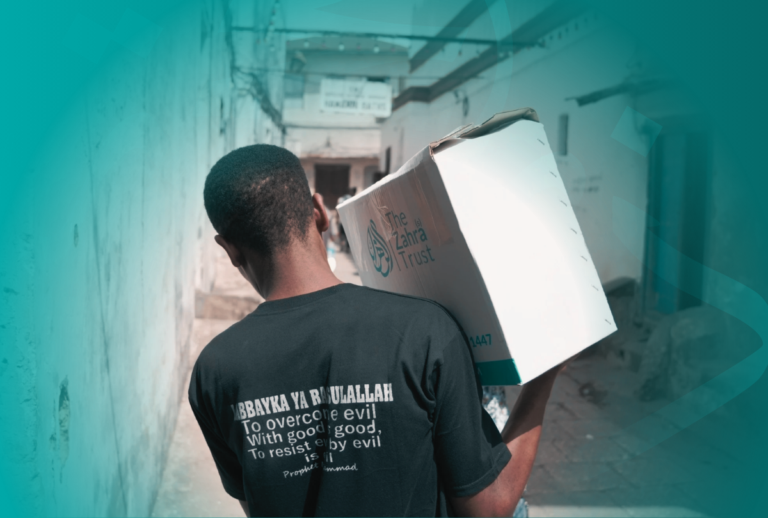
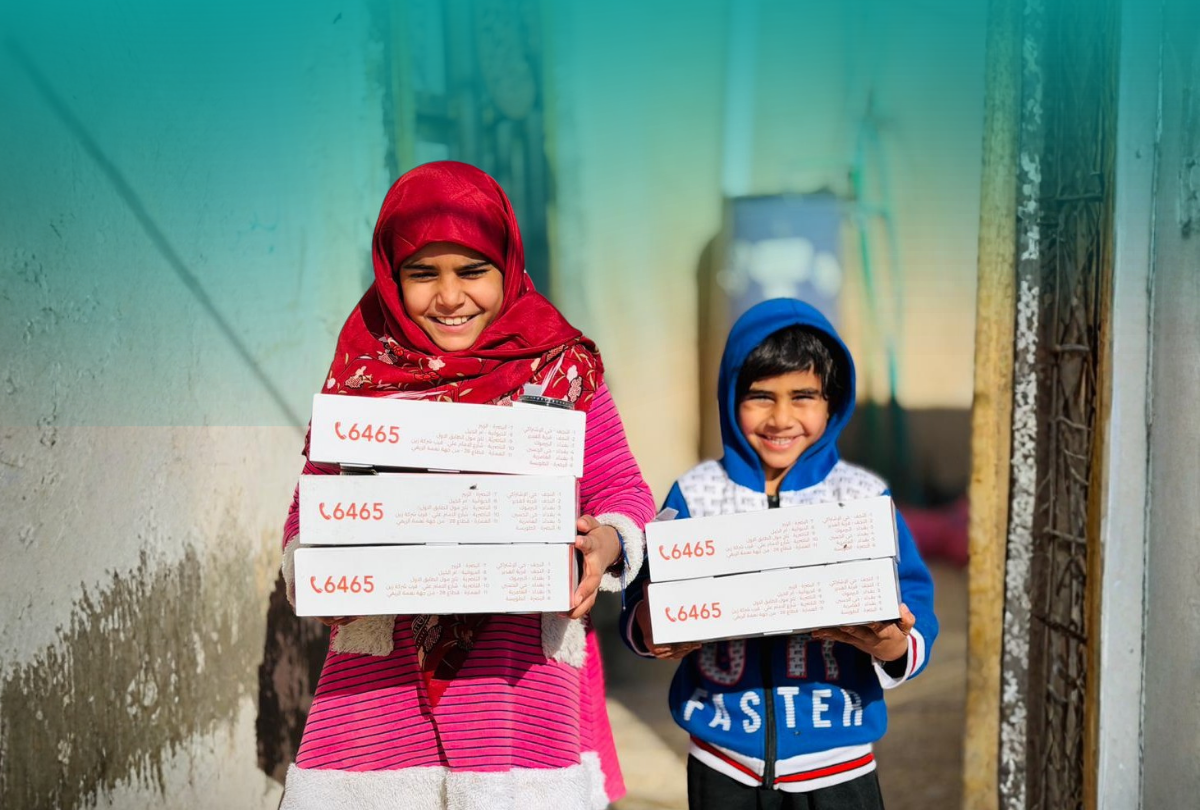
- Food aid
- Orphan care
- Religious education
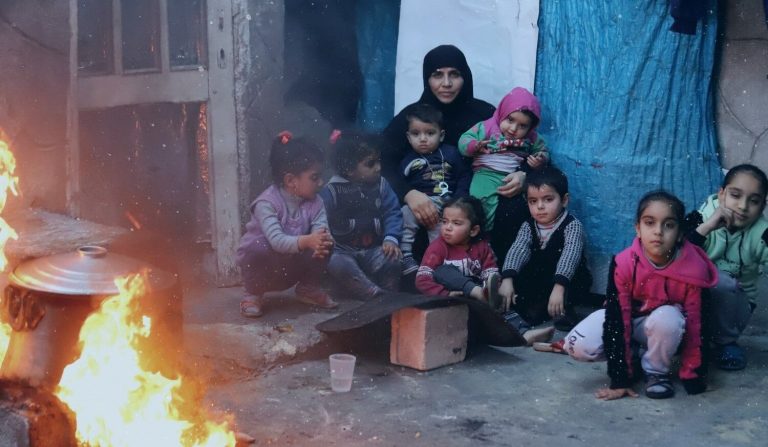
- Emergency humanitarian support
- Community programs
Every donation helps build stronger and more compassionate communities.
A chance to give before these blessed days end
Dhul Hijjah passes quickly. The deeds we do now can carry immense rewards long after these days are over.
Don’t miss the opportunity to purify your wealth and support those who need it most.
Fulfill your obligation and make a lasting impact through The Zahra Trust.
FAQs
Khums is an Islamic obligation requiring Muslims to give one-fifth of eligible surplus wealth after expenses.
Because deeds performed during Dhul Hijjah carry increased blessings and rewards.
Yes. The Zahra Trust provides secure online Khums donations.
Khums supports religious education, humanitarian projects, scholars, and vulnerable individuals.
Yes, under certain financial conditions, Khums is obligatory.
No. Khums and Zakat are separate obligations in Islam.