Skills and Training
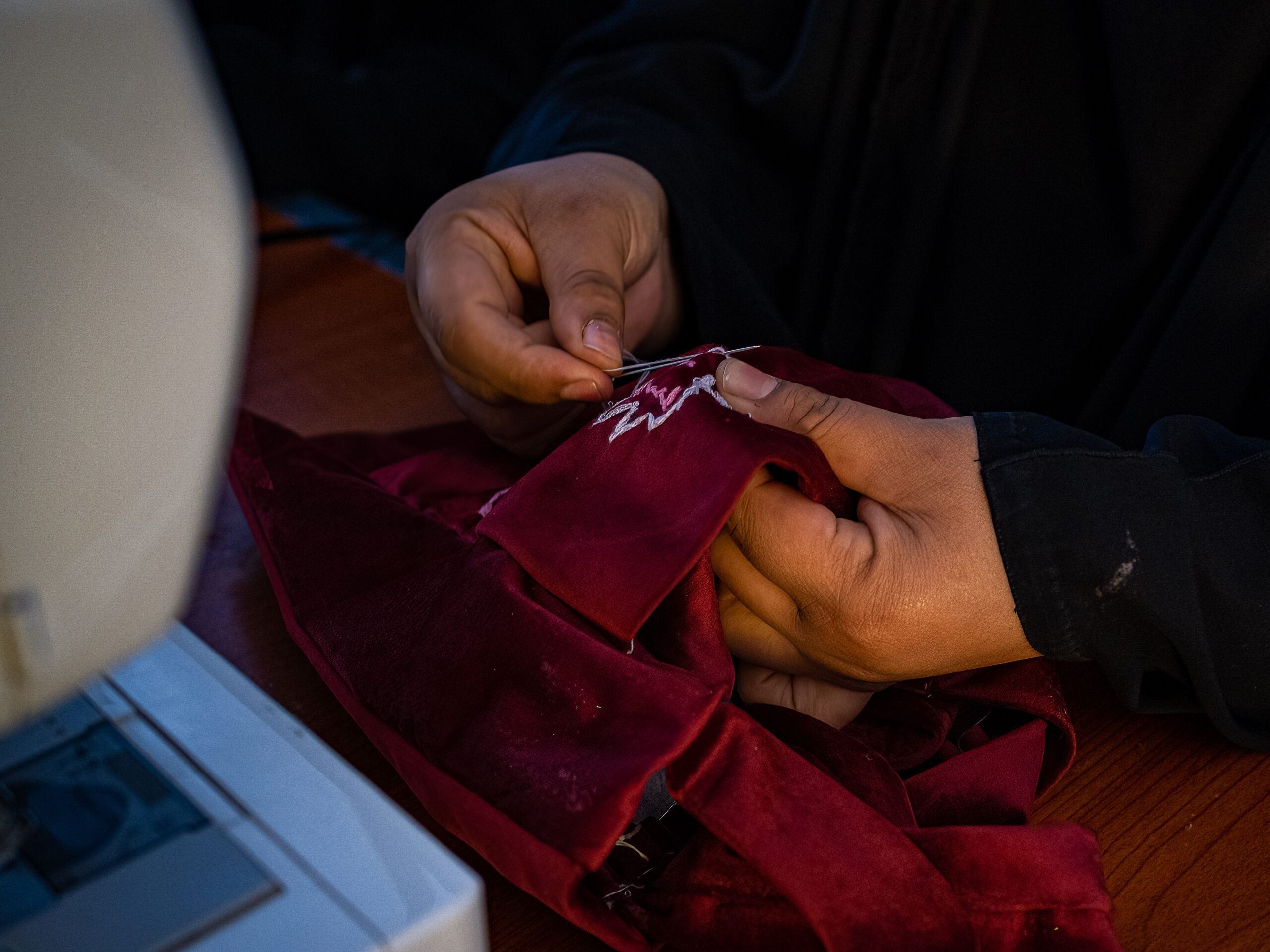
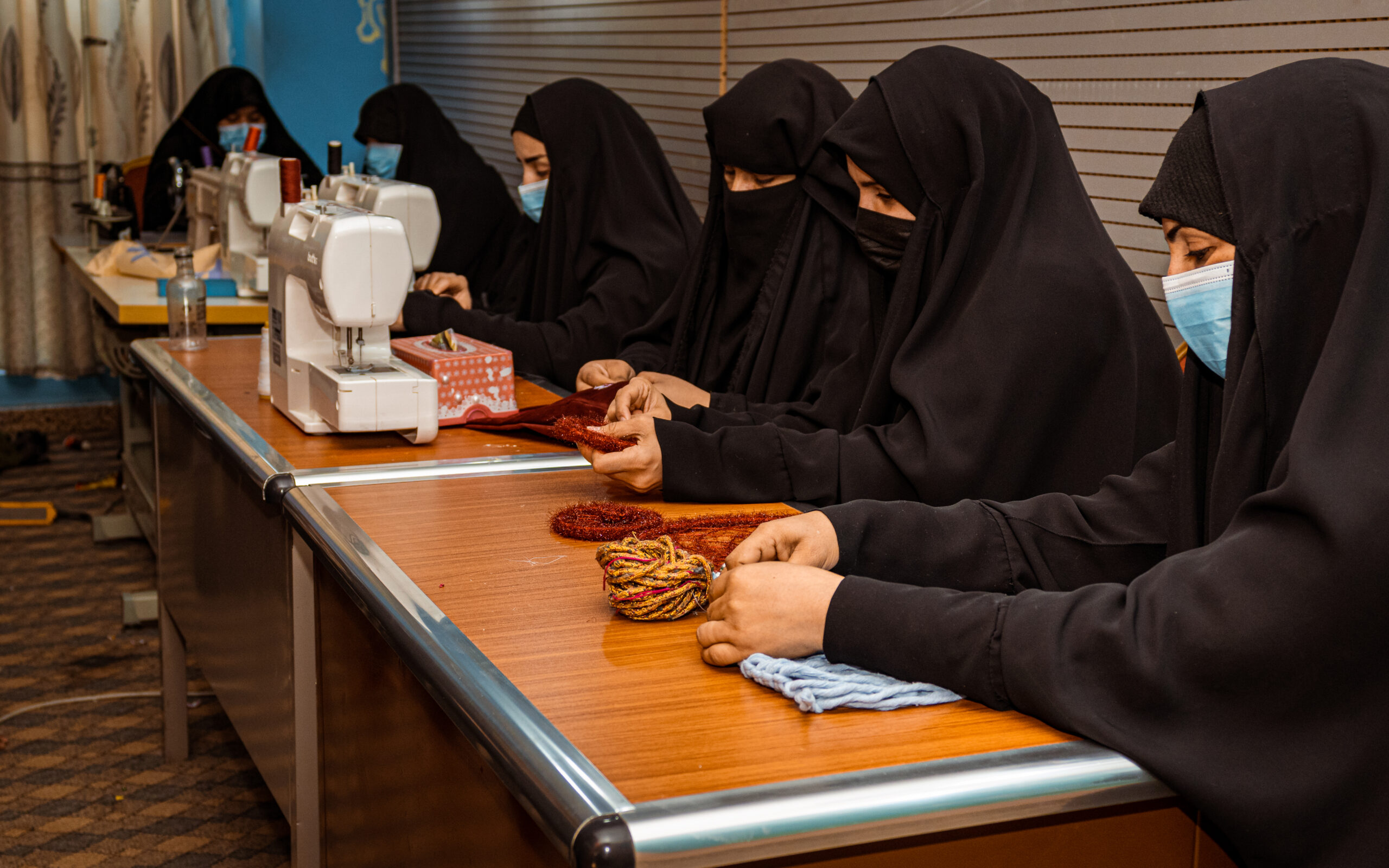
Equipping women with practical, income-generating skills that lead to real opportunities. Our programmes include healthcare and nursing, horticulture and agriculture, and beauty and hairdressing.
What we do
Across the world, over 1.4 billion people don't have a bank account. Without safe ways to save, borrow or invest, families are left without the tools to build stable, secure futures.
We empower widows and disadvantaged families with practical pathways to financial independence — combining microfinance with skills, support and opportunity.
Programmes in action
Equipping women with practical, income-generating skills that lead to real opportunities. Our programmes include healthcare and nursing, horticulture and agriculture, and beauty and hairdressing.
Supporting widows and vulnerable women to launch small businesses that transform their futures — creating lasting income, independence and stability for their families.
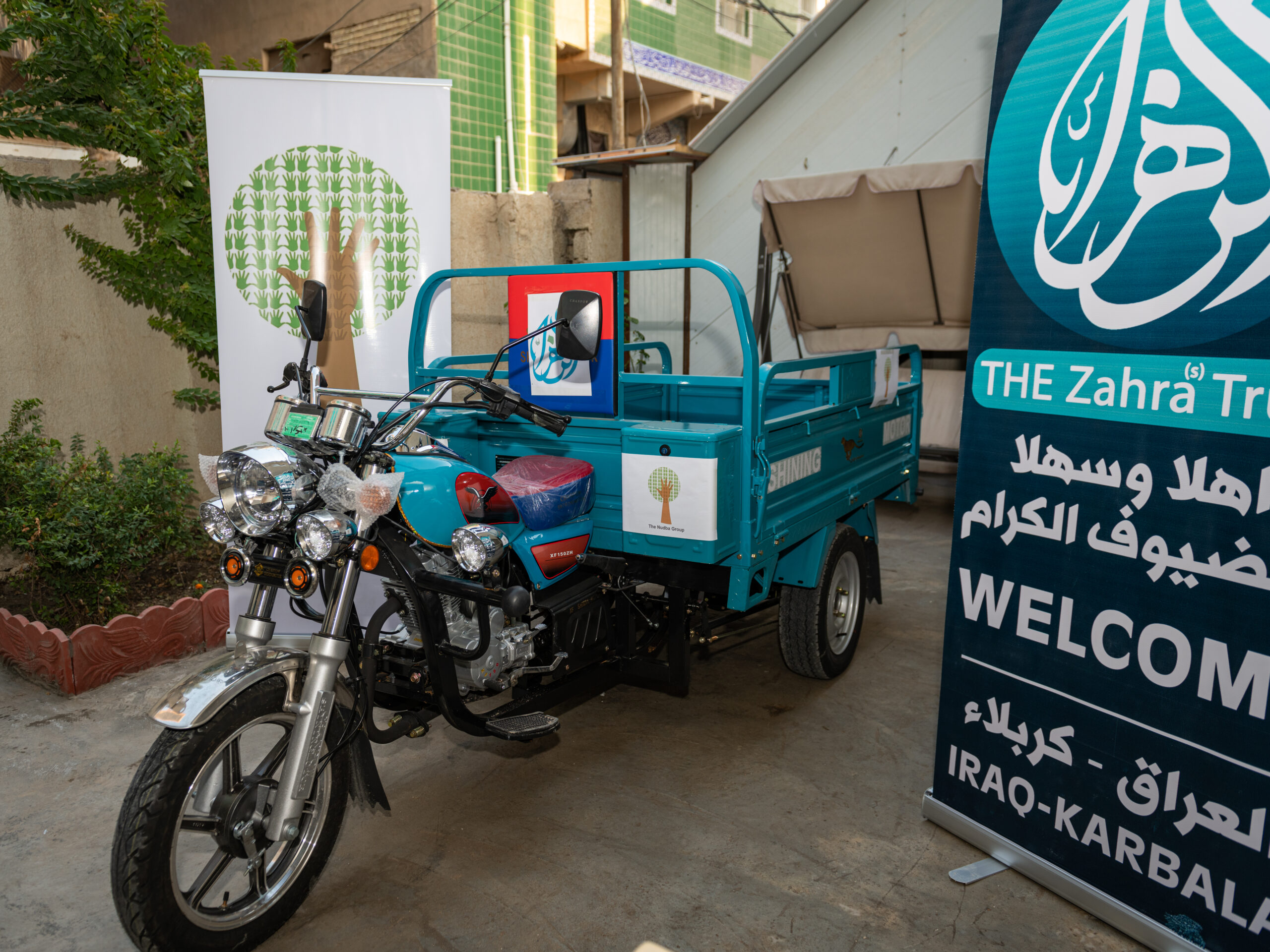
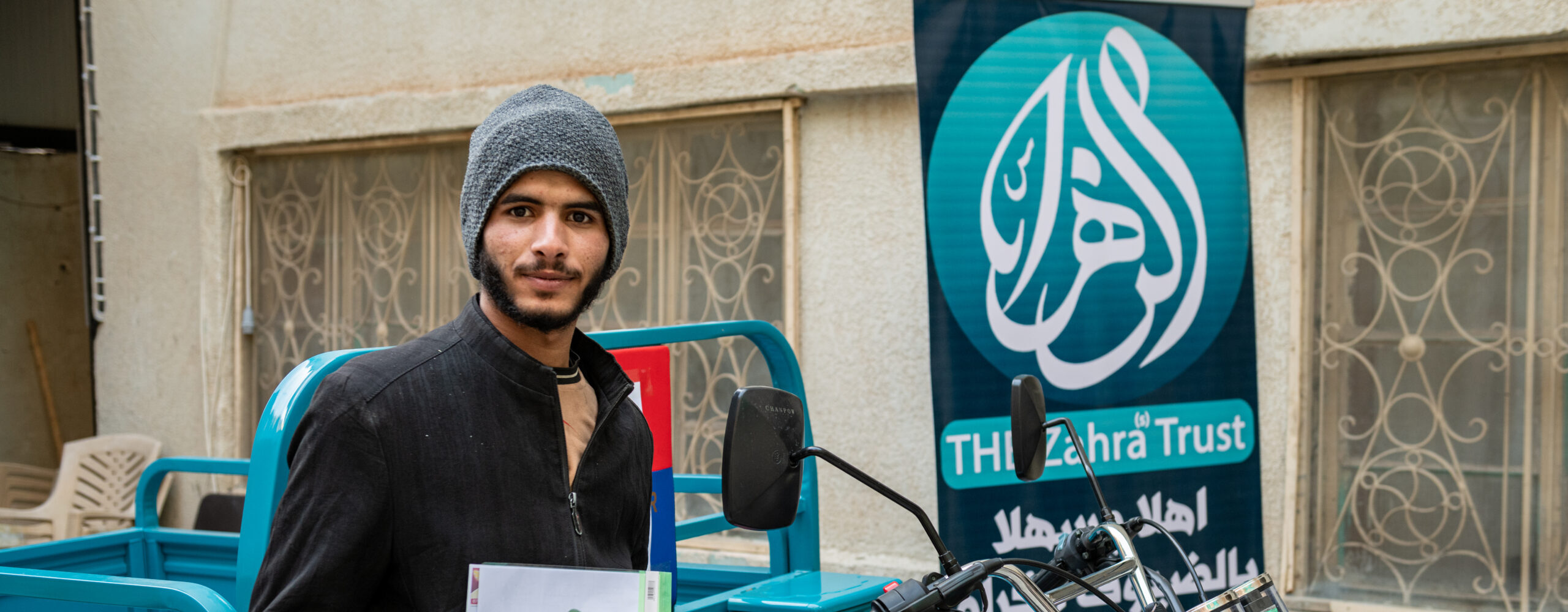
Providing rickshaws to individuals as income-generating assets. Through our affordable 15-month repayment model, beneficiaries gain full ownership — while repayments are reinvested to support other families, including orphan-led households.
About our Microfinance programme
Microfinance provides small, interest-free loans and grants to vulnerable families — usually women-led households — so they can start a small business and become financially self-sufficient.
Yes. All our microfinance is interest-free (qard al-hasan) and structured in line with Islamic principles. No riba is charged at any stage.
Sadaqah and Khums (Sehme Imam) can fund microfinance projects. Zakat is given as a direct grant rather than a loan, so it remains the property of the eligible recipient.
We track business survival rates, household income increases, repayment cycles (where applicable) and the number of dependents lifted out of poverty.
Microfinance is a proven pathway out of poverty — creating stability, dignity and long-term resilience. Support our microfinance programmes and help unlock opportunity for those who need it most.
Donate Now
With microfinancing, people can launch businesses, support their families, and escape poverty for good.
Break the cycle of poverty today.
You will receive a call back soon from one of our team members.