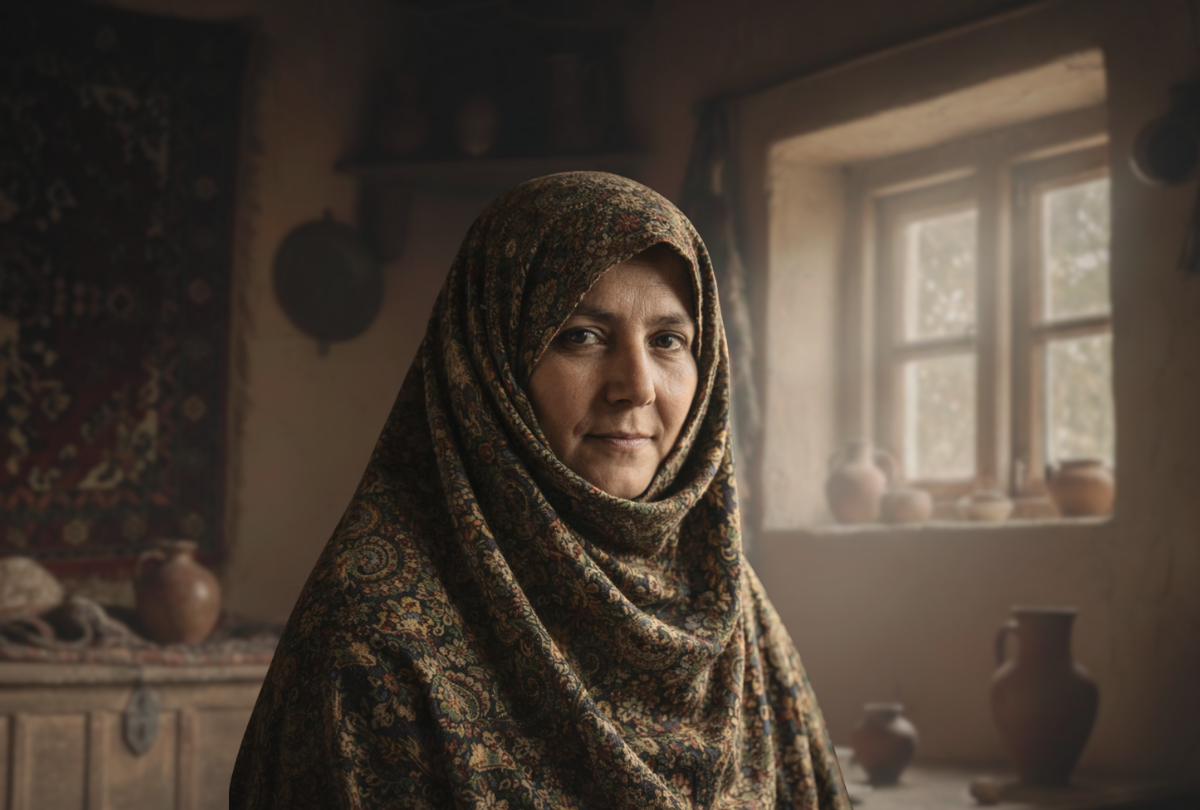
How Can We Change the Life of a Vulnerable Woman?
Allah (swt) reminds us in the Qur’an:
“And they give food in spite of love for it to the needy, the orphan, and the captive…”
Surah Al-Insan, Verse 8
This verse reflects a core Islamic principle: true faith is shown through compassion for those most at risk.
Across many regions of the world today, women face vulnerability due to poverty, conflict, widowhood, or lack of access to education and opportunity. For Shia Muslims, responding to this injustice is not optional — it is a moral responsibility.
Through programs focused on widows, orphans, and female-headed households, the Trust restores dignity, stability, and hope — guided by the legacy of Sayyida Fatima al-Zahra (sa).
What Makes a Woman Vulnerable?
Women become vulnerable when social, economic, and structural barriers limit their ability to provide for themselves and their families.
The loss of a spouse, displacement due to conflict, or lack of education can leave women without income, protection, or support systems.
In many cases, these women are also caring for orphaned children. Without intervention, vulnerability becomes generational — affecting education, health, and emotional well-being.
Islam teaches us that supporting widows and the vulnerable is an act of justice, not charity alone.
How The Zahra Trust Changes Lives
1. Safe Housing and Stability
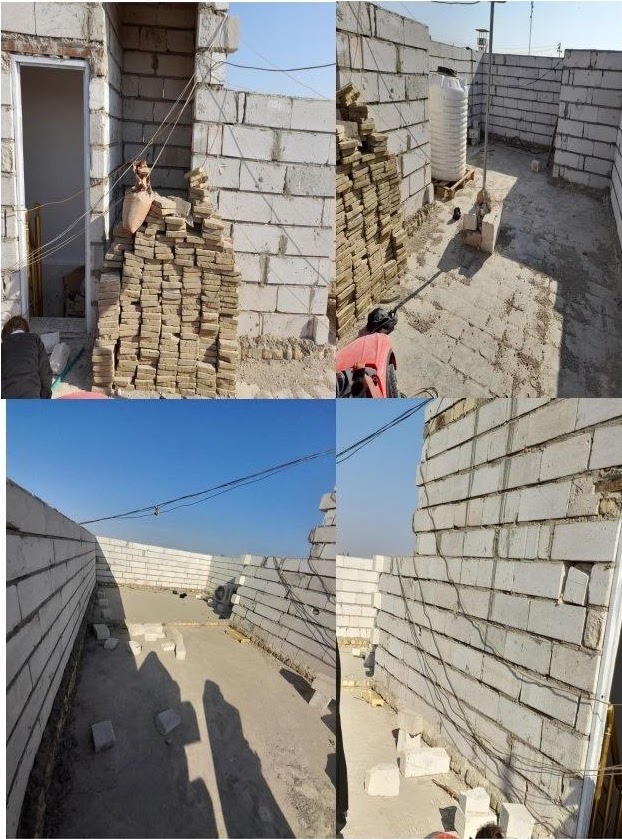
Through initiatives such as orphan and widow housing communities, The Zahra Trust provides secure, permanent homes for female-headed households.
Safe housing allows women to rebuild their lives without fear or instability.
2. Financial Relief and Dignity
Women receive direct financial assistance to meet essential needs such as food, clothing, and medical care — empowering them to make decisions for their families with confidence.
3. Education for Children in Their Care
The Trust supports children’s education by covering school fees, supplies, and access to learning environments. This allows women to keep children in school rather than forcing them into labor.
4. Skills Training and Livelihood Opportunities
Vocational training and literacy programs help women gain marketable skills, enabling income generation and long-term independence.
5. Health and Wellbeing Services
Healthcare access, nutrition support, and hygiene assistance ensure women can care for themselves and their families with dignity.
6. Community and Emotional Support
Living within supportive communities reduces isolation and provides emotional resilience — an often-overlooked aspect of recovery.
Why This Work Matters in Islam
The Ahlulbayt (as) consistently emphasized care for widows, orphans, and the oppressed.
Supporting vulnerable women through sustainable aid is a form of sadaqah jariyah — a continuous charity whose rewards endure.
By empowering women, we uplift entire families and communities.
So, how can we change the life of a vulnerable woman?
By standing beside her — not just in crisis, but in rebuilding a future grounded in dignity, faith, and opportunity.
Through The Zahra Trust, American Muslims can transform lives in a way that honors Islamic values and creates lasting change.
FAQ
By providing shelter, education, healthcare, and skills training that restore dignity and independence.
Widows, orphaned families, and female-headed households facing poverty and instability.
Yes. Long-term support such as housing and education creates lasting benefit.
Yes. Donations can be allocated according to Islamic giving guidelines.
Women invest directly in their children’s education, health, and well-being.
Through online donations, sponsorship programs, and ongoing campaign support via The Zahra Trust.