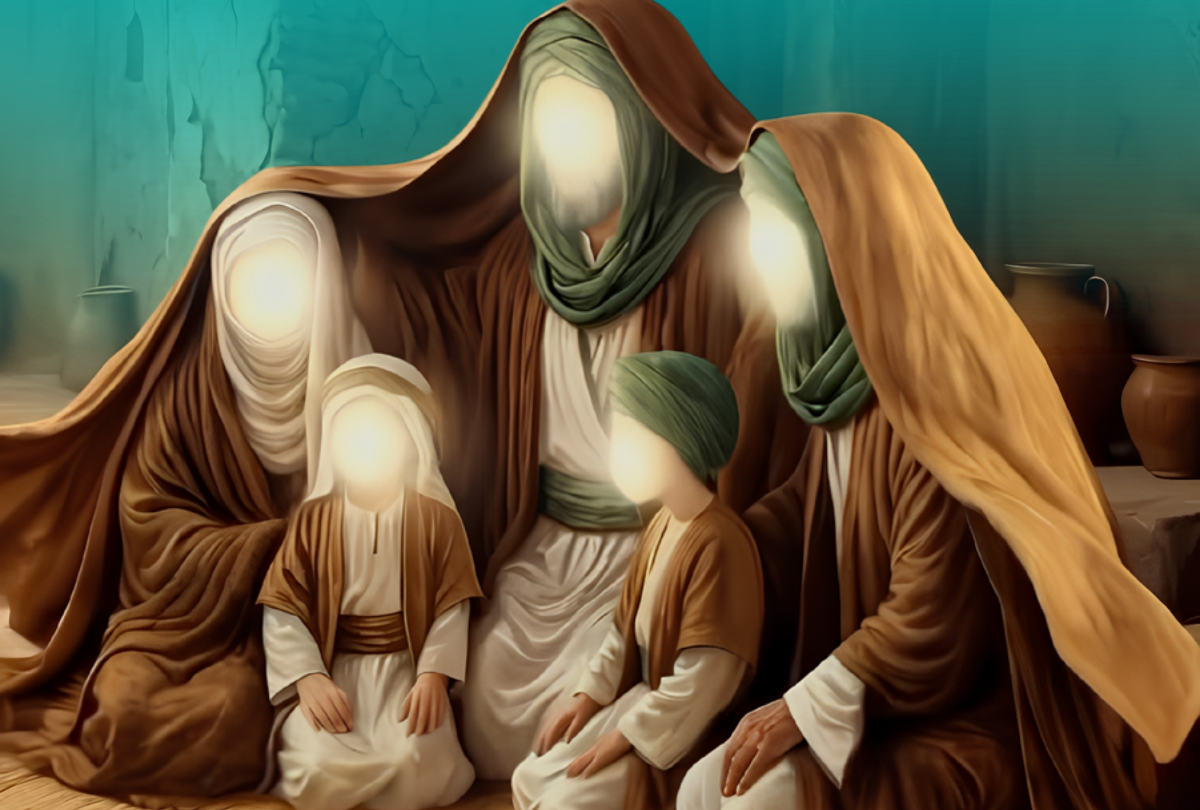
Why the family of the Prophet (saww) matters today
“Say, [O Muhammad], I do not ask you for any reward except love for my near relatives.”
Surah Ash-Shuraa
In today’s fast-moving world, many people are searching for guidance that feels meaningful and lasting.
For Muslims, the family of the Prophet Muhammad (saww) – the Ahlulbayt (as) – continue to provide that direction.
Their lives offer more than historical lessons. They show believers how to respond to hardship with patience, injustice with courage, and success with humility. Their teachings remain deeply relevant in modern society.
A legacy beyond history
The family of the Prophet (saww) occupy a central place in Islamic tradition.
Across Shia Muslim communities in the US, remembrance of the Ahlulbayt (as) continues through Muharram gatherings, lectures, and community service inspired by their teachings.
Their example continues to teach:
- Justice and integrity
- Compassion for others
- Patience during hardship
- Standing firmly for truth
Why their example still matters
Modern culture often prioritizes material success and personal achievement. The Ahlulbayt (as) remind believers to focus instead on character, responsibility, and service to others.
The sacrifice of Imam Husayn (as) at Karbala remains especially powerful because it represents resistance against injustice and unwavering commitment to faith.
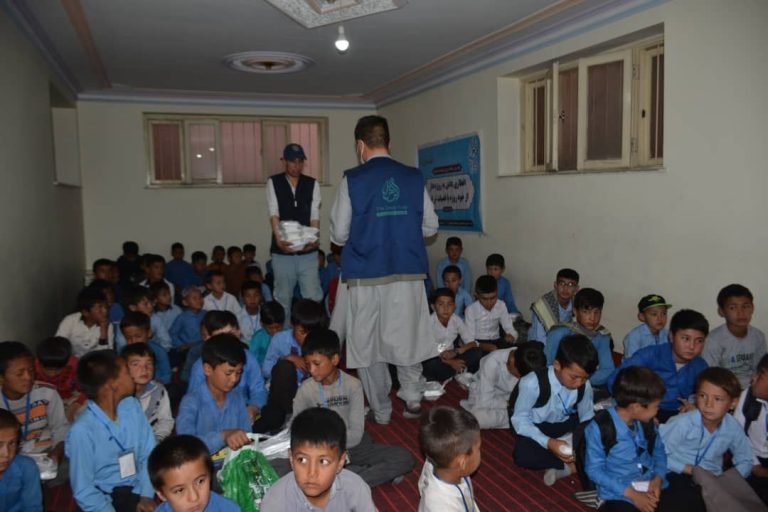
The Zahra Trust reflects these teachings through humanitarian work focused on dignity and compassion. By supporting vulnerable communities through food aid, water projects, and long-term support, the Trust puts the values of the Ahlulbayt (as) into practice.
Our work demonstrates that love for the Prophet’s family should inspire action that benefits humanity.
The teachings of the Ahlulbayt (as) continue to guide Muslims navigating modern challenges. Their example reminds believers that faith is not only personal – it should shape how we serve and uplift others.
FAQs
They are the family of Prophet Muhammad (saww) and central figures in Islam.
Because their teachings continue to guide Muslims toward justice and compassion.
It symbolizes sacrifice, courage, and resistance against oppression.
Through gatherings, education, charity, and religious reflection.
By delivering humanitarian aid rooted in dignity and justice.
Patience, sincerity, courage, and commitment to truth.