
Ramadan strips life back to essentials. Hunger. Thirst. Reflection.
And in that clarity, one truth becomes impossible to ignore: giving is not a loss. It’s a multiplier.
The Ahlulbayt (as) understood this better than anyone. Their generosity wasn’t driven by excess — it was driven by responsibility.
They gave in ways that stabilized families, protected futures, and built communities that could withstand hardship.
This is eternal giving.
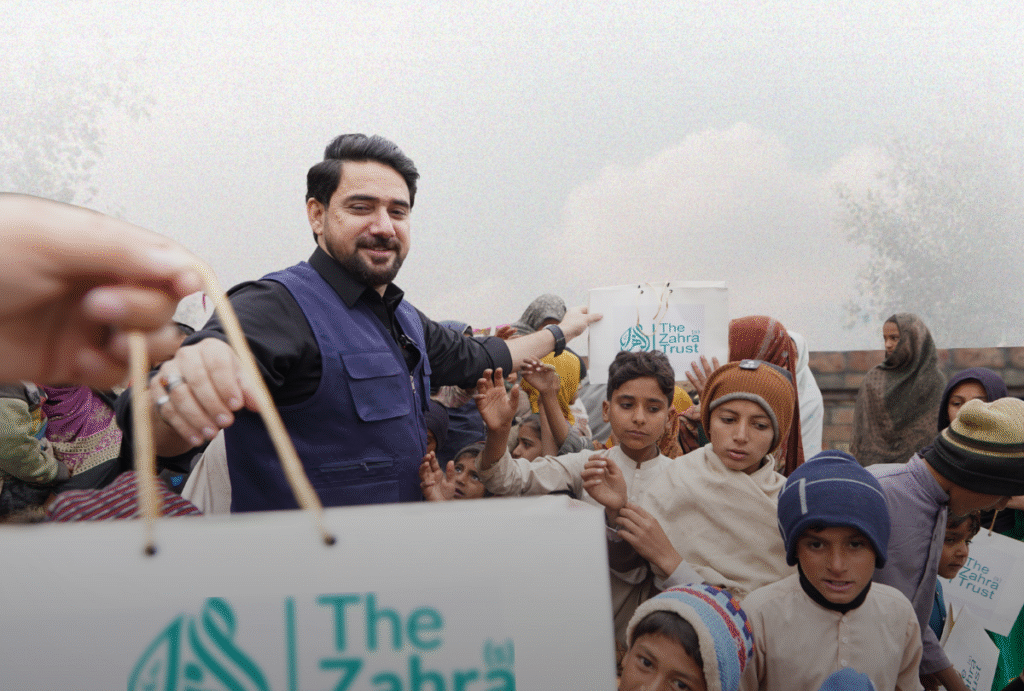
Food, for example, was never just about survival. A fed family could choose school over begging. Recovery over conflict. Peace over desperation. Hunger fuels chaos. Food fuels futures.
The same wisdom applies to water. Clean water doesn’t make headlines, but it quietly saves lives — preventing disease, preserving childhoods, and forming the foundation for everything else. Without it, no system can stand.
Medical aid follows the same pattern. A treatable infection, left unattended, can collapse an entire family. But timely care stops the spiral. One intervention can protect generations.
Ramadan reminds us that wealth, like time, is temporary.
The Ahlulbayt (as) taught that the only lasting wealth is what you send ahead. Not by spending recklessly — but by relocating resources to where they never expire.
This Ramadan, the question isn’t whether to give.
It’s whether your giving will end at the moment — or echo into the future.
FAQ
Giving that continues to benefit others long after the act itself.
Their lives modelled generosity that protected dignity and prevented hardship.
It cultivates empathy and focuses believers on lasting spiritual returns.
Yes. Preventing harm and protecting stability is highly valued.
Because they prevent crises before they destroy families.
By delivering aid that stabilizes communities and builds long-term resilience.
More from Blog
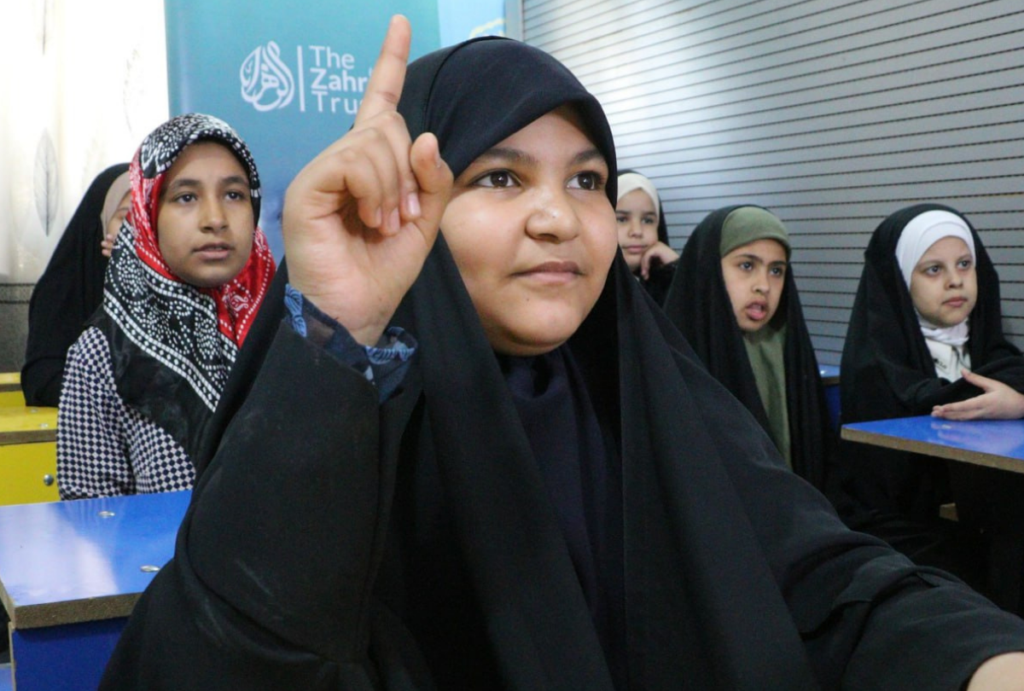
Rebuilding Futures Through Education: Restoring Hope, Dignity and Opportunity
When a community experiences crisis, the effects can continue long after the immediate hardship has passed. Conflict, poverty, and displacement can interrupt…
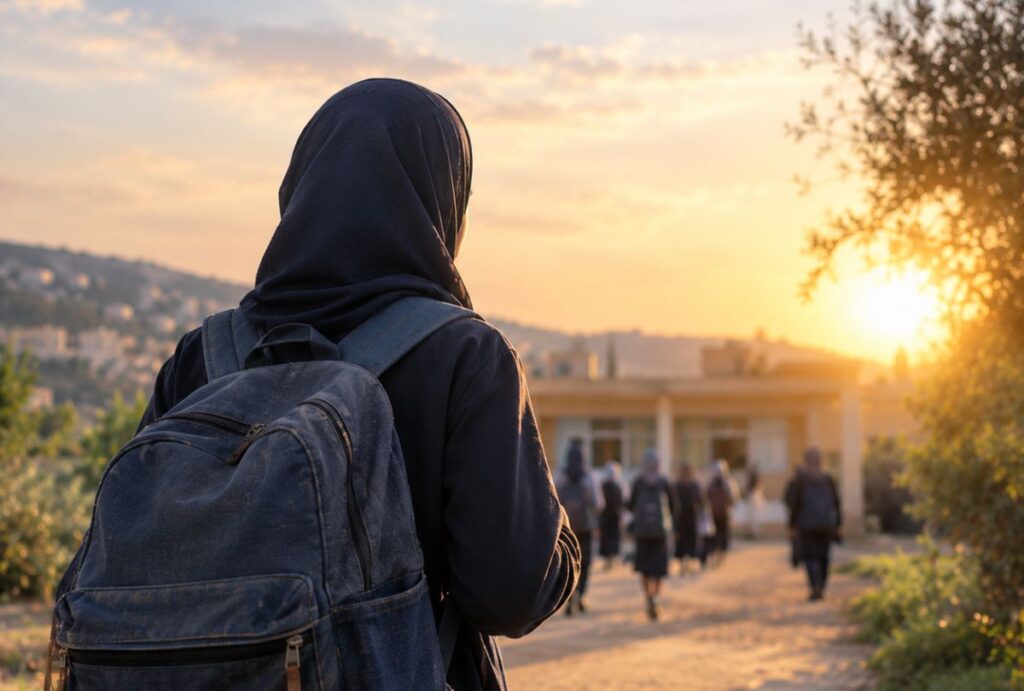
From Backpack to Graduation: The Ripple Effect of Education
See how an education donation can help a child overcome barriers like school fees, supplies and hunger. Donate today and help a…
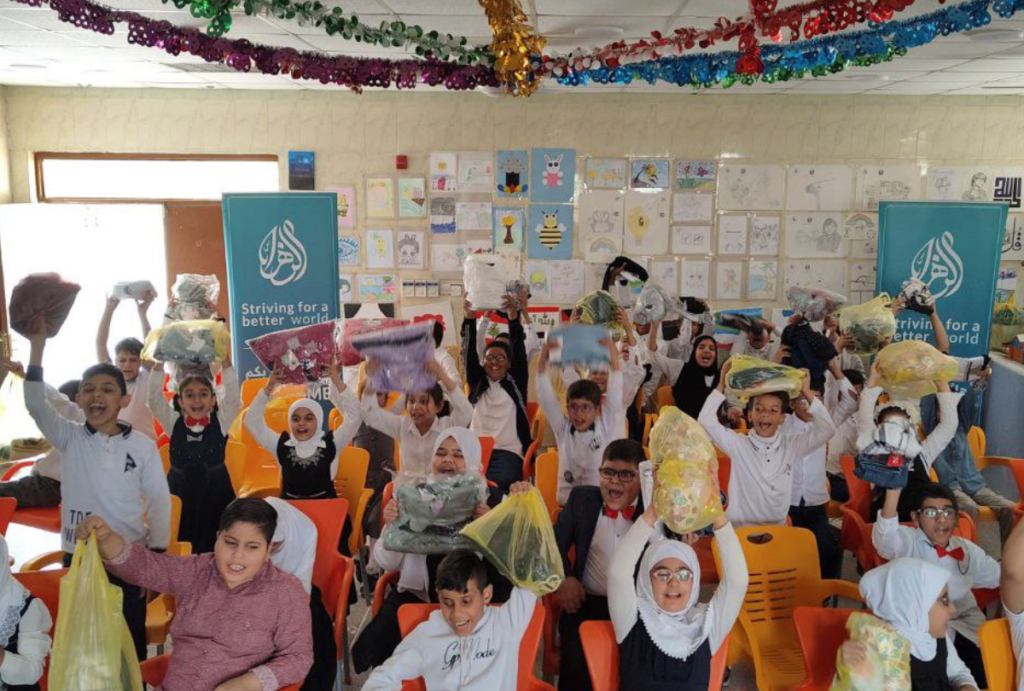
What’s Inside a Sponsored Classroom?
When most people picture a classroom, they think of desks, books, and a teacher leading a lesson. For a child facing poverty,…