
The character of Imam al-Jawad (as)
Allah (swt) says in the Quran:
“Obey Allah (swt), obey the Messenger (saww), and those vested with authority from among you.”
Surah An-Nisa, Ayaha 59
Muslims look to the Ahlulbayt (as) as examples of faith, knowledge, and noble character, and Imam Muhammad al-Jawad (as) remains a remarkable example of this legacy.
Although he became Imam at a young age during the Abbasid era, he earned widespread respect for his generosity, humility, knowledge, and devotion to Allah (swt).
Generosity
Reports describe him supporting widows, orphans, and struggling families while living a simple life himself.
He understood that wealth was a blessing from Allah (swt) meant to help others rather than increase personal status.
His generosity was not limited to material giving.
He also gave people dignity, comfort, and hope during difficult times.
His example teaches Muslims that generosity should come from sincerity and compassion rather than recognition or praise from others.
Piety and God-consciousness
Imam al-Jawad (as) was also known by the title “al-Taqi”, meaning “the pious” or “the God-conscious”.
His strong connection to Allah (swt) guided every part of his life, from worship to leadership and daily interactions.
Even under political pressure, he remained patient, truthful, and committed to justice.
Imam al-Jawad (as) is reported to have said:
“The best form of worship is sincerity.”
Tanbih al-Khawatir, v.2, p.109
This teaching reminds believers that sincere faith and honest intentions are the foundation of meaningful worship.
Humility and simplicity
Despite his respected position, Imam al-Jawad (as) lived with humility and simplicity.
He treated people with kindness regardless of their social standing and never allowed authority to create distance between himself and others.
Many admired the calm and respectful way he interacted with both scholars and ordinary people.
His lifestyle showed that true honor does not come from wealth or luxury.
Instead, it comes from sincerity, humility, and good manners.
Imam al-Jawad (as) demonstrated that strong character leaves a greater impact on people than status or power ever could.
Knowledge and wisdom
One of the most extraordinary aspects of Imam al-Jawad’s (as) life was his knowledge at such a young age.
His wisdom strengthened the faith of many people living through difficult political conditions.
Imam al-Jawad (as) is reported to have said:
“The one who acts without knowledge destroys & ruins more than rectifies.”
Bihar al-Anwar, v.78, p.364
This teaching highlights the importance of seeking knowledge before making decisions or taking action.
His life encourages Muslims to value wisdom alongside education.
Kindness and care for people
Imam al-Jawad (as) was known for his kindness, gentle speech, and concern for others.
He welcomed guests warmly and cared deeply for those facing hardship or loneliness.
People were drawn to his character because they felt respected and comforted in his presence.
Imam al-Jawad (as) is reported to have said:
“Meeting fellow brothers, even very briefly, causes the mind to broaden and develop.”
Mizan al-Hikmah, n.4391
This teaching emphasizes the value of healthy relationships and community connections.
His example reminds Muslims that kindness and compassion are signs of true spiritual strength.
Final reflections
The character of Imam al-Jawad (as) continues to inspire Muslims through its balance of wisdom, generosity, humility, and compassion.
Although his life was brief, his example left a lasting impact on the global community.
His teachings remind believers that true leadership is rooted in service to Allah (swt), sincere care for people, and strong moral character.
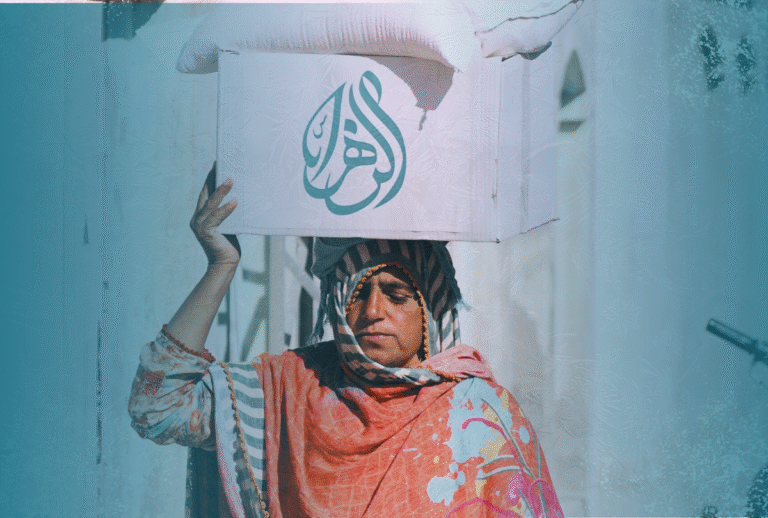
One meaningful way to follow the generous example of Imam al-Jawad (as) is by giving Qurbani and helping families in need.
Honor the spirit of “al-Jawad” through acts of charity that bring comfort and nourishment to others.
Let your devotion reach their table.
Frequently Asked Questions
He was known as “al-Jawad” because of his generosity and his consistent support for the poor, vulnerable, and those facing hardship.
Imam al-Jawad (as) became Imam at the young age of 8, which surprised many scholars of his time.
He was recognized for generosity, piety, wisdom, humility, patience, and compassion toward others.
The title “al-Taqi” means “the pious” or “the God-conscious”, referring to his devotion and awareness of Allah (swt).
He demonstrated remarkable leadership, knowledge, and moral character despite becoming Imam at a young age during the Abbasid period.
Muslims can learn the importance of humility, thoughtful action, kindness toward others, and staying committed to faith and good character.