Learning a Skill and Changing a Life: How Women are Building Futures Through Education
Allah (swt) says in the Qur’an:
“Allah will raise those of you who believe and those who are given knowledge in degrees.”
Surah Al-Mujadilah, Verse 11
This verse reminds us that knowledge elevates hearts and empowers lives — not simply as worldly success but as spiritual elevation.
For Muslims in the US, supporting education aligns with fulfilling this divine guidance and reflects the belief that uplifting women uplifts entire communities.
The Zahra Trust implements educational support and vocational training programs across multiple countries, helping women gain skills that transform futures, support families and break dependence on aid.
Why Women’s Education Matters
Transformative Change Through Learning
Women’s access to education is a proven catalyst for positive change. When women learn, they contribute to healthier families, improved economic outcomes, and stronger community resilience.
Education equips women to support household income and advocate for better opportunities for their children.
Islamic Principles in Action
Learning is a foundational pillar in Islamic teachings. The Prophet (saww) said seeking knowledge is obligatory, and Muslim women such as Lady Fatima (sa) have historically embodied leadership through wisdom.
Supporting education through The Zahra Trust continues that mission, connecting faith with real-world impact.
The Zahra Trust’s Work with Women and Education
The Zahra Trust’s education efforts prioritize:
- School enrolment support — covering fees, books, meals and materials.
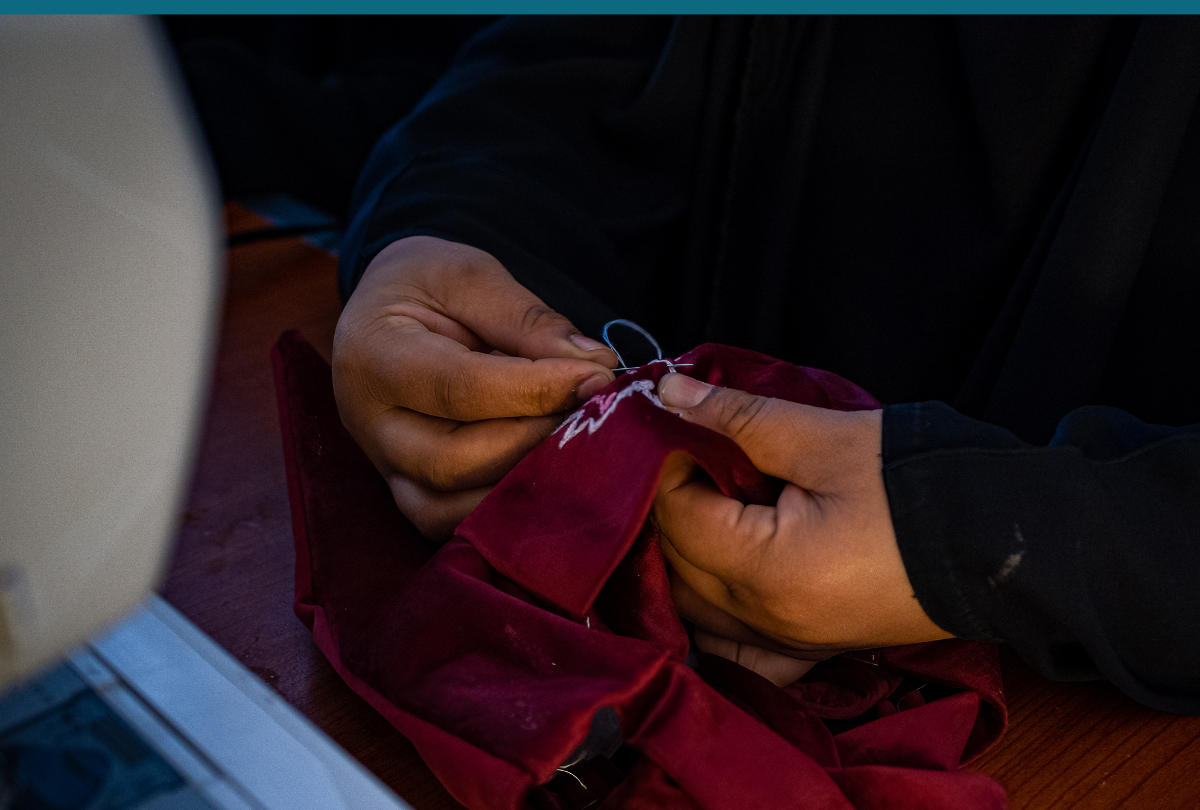
- Adult and vocational skill training — enabling women to earn sustainable incomes.
- Safe learning environments — reducing barriers that force girls into labor.
- Equipment and facility upgrades — improving quality and accessibility of education.
These programs are designed to ensure women and girls achieve their potential, fostering dignity and opportunity.
By enabling learning, we help build futures rooted in dignity, independence and faith.
FAQ
Education provides skills, confidence and economic opportunity — empowering women to support their families and communities.
Yes — in addition to children, the Trust supports adult and women’s education to break the cycle of poverty.
Educated women tend to invest more in their children’s wellbeing and local development, creating a ripple effect of long-term impact.
Donors can designate contributions specifically for education and skills training projects.
Yes — seeking and facilitating knowledge is a highly rewarded deed in Islam.
Skills may include vocational training, literacy support, and livelihood-enhancing education that leads to employment and independence.