Beyond Meat Distribution: How Your Qurbani Restores Dignity
“It is neither their meat nor their blood that reaches Allah, but it is your piety that reaches Him.”
Surah Al-Hajj, Ayah 37
Across the United States, Muslim families observe Eid al-Adha with joy – but also awareness of global hardship.
This year, attention turned to families in Pakistan, where economic instability has made basic nutrition difficult.
One such story is Nazar’s, a 60-year-old laborer in Islamabad. Despite decades of hard work, irregular income meant Eid often passed with little celebration at home.
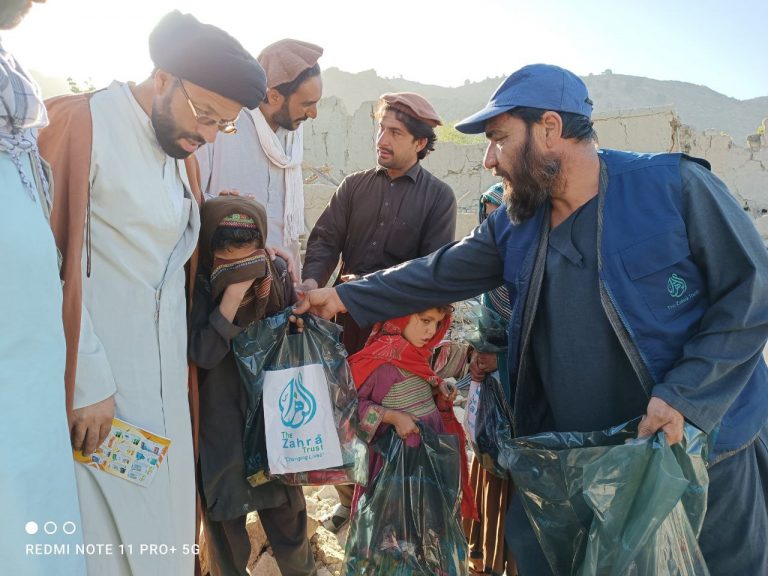
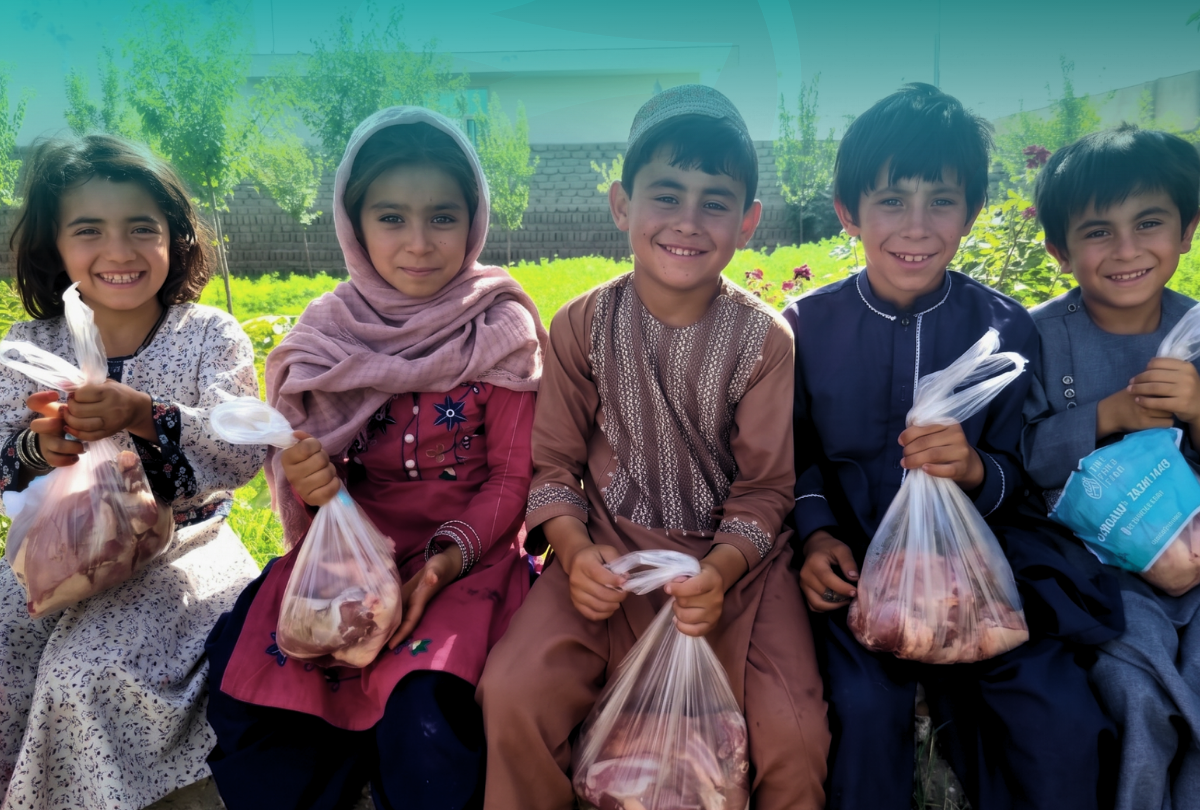
Through The Zahra Trust’s Qurbani Distribution Program, supporters in the US helped provide fresh meat to families like Nazar’s. The meat was distributed according to household size, ensuring fairness and dignity.
This initiative reflects a deeper Islamic principle: that charity should uplift without humiliation.
For Nazar, Eid became a moment of relief and joy.
“I can share meat with my family and see my children smile. I have many prayers for the donors.”
Across households, families experienced Eid not as absence, but as belonging and celebration.
While Qurbani brings joy, many families continue to face ongoing food insecurity. Continued support is needed to move from temporary relief to lasting stability.
FAQs
It is the sacrifice during Eid al-Adha symbolizing obedience and charity.
To distribute Qurbani meat and support long-term humanitarian aid.
Islam emphasizes respectful giving that preserves human dignity.
To vulnerable families in countries facing poverty and food insecurity.
Yes, through The Zahra Trust programs.
It provides immediate relief and supports broader aid initiatives.