
The Day of Arafah: A moment that changes everything
There are certain days in the Islamic calendar that carry a unique spiritual weight, and the Day of Arafah is among the greatest of them.
Allah (swt) draws attention to these sacred days in the Quran:
“I swear by the dawn (of the 1st Dhul Ḥijjah); and the ten nights following it; and by the even and the odd (days of Tawriyah and Arafah)…”
Surah Al-Fajr, Ayah 1-3
For those performing Hajj, Arafah is the day of standing at Arafat.
For everyone else, it is a powerful opportunity to seek forgiveness, reflect on life, and strengthen one’s connection with Allah (swt) before Eid al-Adha arrives.
What is the Day of Arafah?
The Day of Arafah falls on the 9th of Dhul Hijjah, the day before Eid al-Adha.
It is regarded as one of the most important and spiritually uplifting days of the year.
The difference between Arafah and Arafat
Although the two terms are often used interchangeably, they refer to different things.
Arafah is the name of the day itself, while Arafat is the plain near Makkah where pilgrims gather during Hajj.
The connection between Arafah and Hajj
Standing at Arafat is one of the central rites of Hajj.
From noon until sunset, pilgrims gather in worship, prayer, and repentance.
The sight of millions dressed in simple white clothing reflects humility and equality before Allah (swt), reminding believers that every person ultimately returns to Him.
The spiritual power of Arafah
A day of mercy and forgiveness
The Day of Arafah is widely recognized as a day of immense mercy and forgiveness.
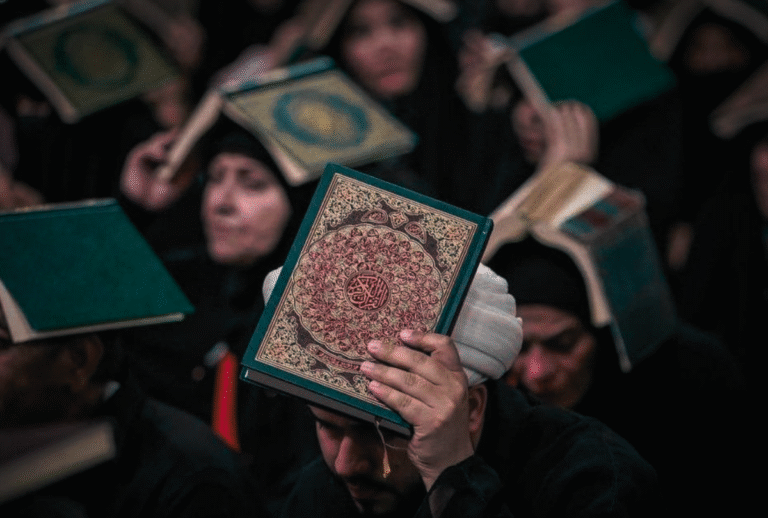
Believers are encouraged to spend the day in repentance, dua, and sincere worship.
Imam al-Sadiq (as) is reported to have said:
“Whoever is not forgiven in the month of Ramadan will not be forgiven until the next year unless he witnesses Arafah.”
Wasail al-Shiah, v.10, s.5, ch.18, h. 13480
This narration emphasizes the extraordinary spiritual opportunity found in Arafah.
Even after Shahr Ramadan has ended, Allah (swt) continues to open the doors of forgiveness for His servants.
A reminder of the Day of Judgment
The gathering at Arafat also serves as a reminder of the Day of Judgment.
People from every background stand side by side in worship, stripped of worldly titles and distractions.
It is a powerful image of accountability, humility, and dependence upon Allah (swt).
Returning to Allah (swt) with sincerity
Arafah encourages believers to pause and reflect honestly on their lives.
It is a day to seek forgiveness, make heartfelt dua, and return to Allah (swt) with sincerity.
For many, it becomes a moment of spiritual renewal and personal change.
Recommended acts for the Day of Arafah
The Day of Arafah is best spent in worship, remembrance, and sincere supplication.
Recommended acts for everyone
Some of the recommended acts are:
- Giving charity
- Performing ghusl
- Seeking forgiveness through istighfar
- Reciting Quran and engaging in dhikr
- Praying for family, friends, and the global community
Recommended acts for non-pilgrims
Fasting is highly recommended for those who are not performing Hajj, provided it does not interfere with worship and supplication.
Imam al-Baqir (as) is reported to have said:
“Whoever has the strength for it (i.e. fasting on the Day of Arafah), it is good if it does not prevent you from supplication, for it is a day of supplication and petition, so fast it. And if you fear that it will weaken you from that, then do not fast it.”
Wasail al-Shiah, v.10, s.7, ch.23, h.13858
This narration highlights the importance of balancing fasting with meaningful dua and reflection.
The connection of Imam Hussain (as) to Arafah
In Shia tradition, the Day of Arafah holds a special connection to Imam Hussain (as).
Ziyarat of Imam Hussain (as)
Imam al-Sadiq (as) is reported to have said:
“On Arafah Day, the Almighty Allah (swt) looks at the visitor of the grave of Imam Hussain (as) and says, ‘Continue with good deeds, for I have forgiven you.’ Then He (swt) attends to the people in Arafat.”
Kamil al-Ziyarat. ch.70, h.7
This narration reflects the spiritual importance attached to remembering Imam Hussain (as) and renewing one’s commitment to faith, sacrifice, and justice.
Shahadat of Muslim ibn Aqil (as)
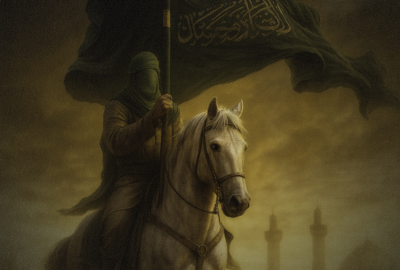
Historical reports also tell us that the 9th of Dhul Hijjah with the shahadat of Muslim ibn Aqil (as), the cousin and trusted representative of Imam Hussain (as) in Kufa.
His loyalty and sacrifice remain a lasting example of faith and perseverance.
Final reflections
The Day of Arafah is more than a date on the Islamic calendar.
It is a sacred opportunity to pause, reflect, and return to Allah (swt) with sincerity and hope.
Whether through dua, repentance, fasting, or remembrance of Imam Hussain (as), this blessed day reminds believers that the door of mercy is never closed.
No matter how distant a person may feel, Arafah offers the chance to begin again.
Frequently Asked Questions
The Day of Arafah is on the 9th of Dhul Hijjah and is considered one of the most sacred days in Islam. It is the day when Hajj pilgrims gather at Arafat for worship and supplication.
Arafah refers to the blessed day itself, while Arafat is the location near Makkah where pilgrims gather during Hajj.
Yes, fasting is recommended for those who are not performing Hajj, as long as it does not weaken their ability to engage in du’a and worship.
Dua al-Arafah is a well-known supplication attributed to Imam Hussain (as). It is recited by many Muslims on the Day of Arafah and focuses on gratitude, humility, and closeness to Allah (swt).
In Shia Islam, the Day of Arafah is closely associated with Imam Hussain (as) because of Dua al-Arafah and the recommended ziyarat of the Imam on this blessed day.