

In Islam, charity isn’t just a generous act; it’s a meaningful form of worship.
What matters most is not the size of the gift, but the sincerity and purpose behind it.
Allah (swt) tells us:
“If you disclose your charitable expenditures, they are good; but if you conceal them and give them to the poor, it is better for you.” (Quran 2:271)
This verse highlights a powerful truth: hidden charity often carries deeper spiritual value.
Understanding Charity in Islam: The Heart Before the Hand
Islam places tremendous emphasis on intention.
Before charity leaves your hands, it should come from a heart focused on pleasing Allah (swt).
Why Intention Matters More Than the Amount
A small donation given with sincerity can outweigh a large contribution given for attention.
Islam teaches that true worth lies in the intention, not the quantity.
Quranic Perspective on Sincere Giving
Allah (swt) praises those who give without hurting or humiliating others:
“Those who spend their wealth in the way of Allah (swt), and do not follow up (what they have spent) with reproach or hurt to the recipient, for them is their reward with their Lord, and they shall have no fear nor shall they grieve.” (Quran 2:262)
Real charity never diminishes the dignity of the recipient.
When Does Charity Lose Its Spirit?
Today, acts of giving are often shared publicly, liked, reposted, and praised.
While public charity can sometimes inspire others, it can also unintentionally pull the focus away from sincerity.
The Rise of Performative Giving
When charitable acts become content for social media, they risk becoming more about recognition than compassion.
Islam teaches us to guard the purity of our intentions.
Preserving the Dignity of Those in Need
A core principle of Islamic charity is protecting the honor of the person receiving help.
True giving supports without exposing, and uplifts without making anyone feel ashamed.
The Correct Way to Give Charity in Islam (Based on Quran & Sunnah)
Islam provides clear guidance on what sincere, meaningful giving looks like.
Giving Quietly and Without Seeking Praise
Private charity helps you safeguard your intention.
When only Allah (swt) knows your deed, the act becomes a direct form of worship.
Giving Compassionately and Consistently
Islam values consistency.
Even a small amount given regularly reflects compassion, commitment, and steady generosity.
Giving Only for the Sake of Allah (swt)
A simple self-check can transform your giving: “Am I doing this for Allah (swt) alone?”
If the answer is yes, then the act becomes spiritually powerful.
Lessons From the Ahlulbayt (as) on Sincere Charity
The Ahlulbayt (as) demonstrated what pure, intentional generosity looks like.
Imam Ali (as): Giving Even When in Need
Imam Ali (as) famously gave his food to someone in need while he himself was fasting.
This was a a profound example of selflessness.
Lady Fatima (sa): Exemplifying Humility in Giving
Lady Fatima (sa) once gave her wedding dress to a woman who needed it.
She didn’t hesitate; she simply acted with kindness and faith.
Imam Hassan (as): Silent Charity as a Way of Life
Imam Hassan (as) often gave without letting others know.
This teaches us that charity is a private conversation between a believer and Allah (swt).
Practical Ways to Give Charity the Right Way Today
Here are meaningful ways to practice sincere giving in your daily life:
1. Renewing Your Niyyah Before Giving
Take a quiet moment to remind yourself: “This is for Allah (swt).”
This refocuses your heart and intention.
2. Choosing Sadaqah Jariyah Projects
Sadaqah jariyah provides lasting benefit.
Examples include:
- Funding education or scholarships
- Supporting clinics and medical aid
These efforts continue generating rewards long after the action is completed.
3. Giving Locally and Privately
Discrete acts, like paying for someone’s groceries, helping a neighbor, or giving anonymously, protect dignity and maintain sincerity.
4. Volunteering in Service of Others
Charity isn’t limited to money.
Volunteering your time, skills, or energy is a beautiful form of giving.
5. Offering Simple Acts of Kindness
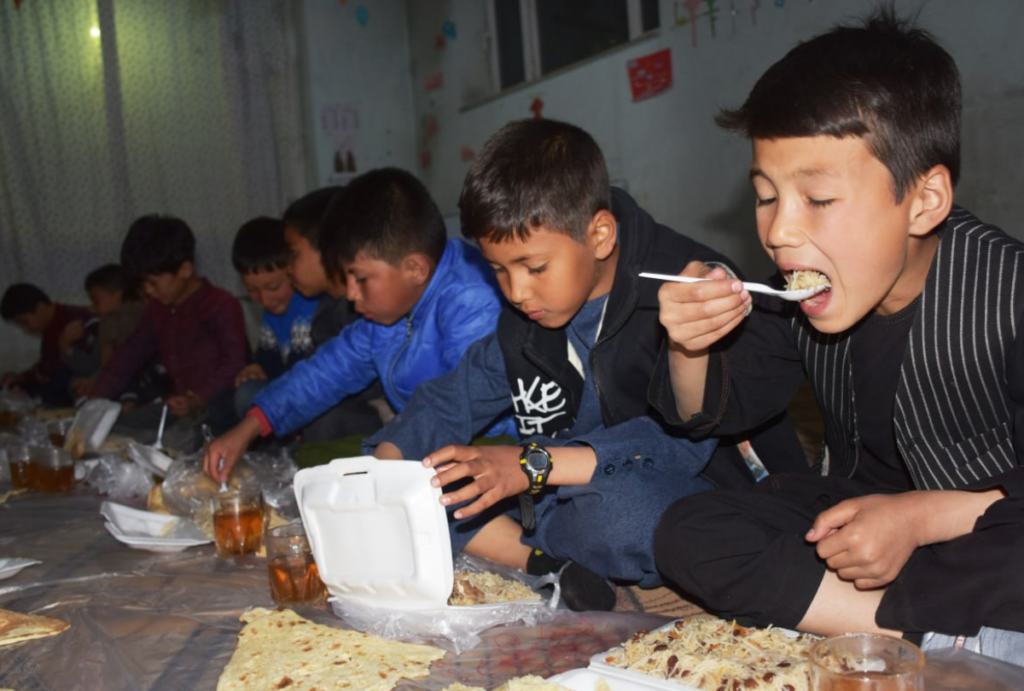
A kind word, a hot meal, or a small gift can brighten someone’s day and count as sadaqah.
What Your Charity Makes Possible
When charity is given with sincerity, it becomes a source of hope.
Organizations like The Zahra Trust work to ensure that aid reaches people with dignity, compassion, and care.
Your support:
- Helps families in hardship
- Provides essential relief
- Strengthens entire communities
In Islam, the blessing lies in the sincerity of what you give, not the size.
Give With Heart, For Allah (swt) Alone
The best way to give charity in Islam is with a sincere heart, free from the desire for recognition.
When you give solely for Allah (swt), every act, big or small, becomes a source of blessing.
FAQ
Islam teaches that charity should be given sincerely, humbly, and without seeking praise. Private charity often carries greater reward, though public giving can encourage others.
Because actions are judged by intention. Even small acts can have huge spiritual value when done with a pure heart.
Examples include:
- Imam Ali (as) feeding the poor during his fast
- Lady Fatima (sa) giving away her wedding dress
- Imam Hasan (as) giving quietly and discreetly
Sadaqah jariyah (ongoing charity) is strongly encouraged because it continues helping others over time.
- Renew your intention
- Give quietly when possible
- Protect the dignity of those receiving
- Support long-term beneficial causes
- Follow the examples set by the Ahlulbayt (as)
More from Blog

Knowledge as Sadaqah Jariyah: Why supporting education is a lasting legacy
Every believer hopes to leave behind a legacy that continues to earn the pleasure of Allah (swt). While many acts of charity…
Why school meals matter more than you think
For many children, school represents more than a classroom. It is a place of safety, opportunity, and hope. For millions of children…

5 Quran Verses About Knowledge and What They Teach Us
Knowledge is one of the greatest blessings Allah (swt) has given humanity. Through knowledge, we strengthen our faith, deepen our understanding of…