
What if remembering the Imam (ajtfs) wasn’t just something you said — but something you lived?
During Ramadan, hunger reminds us how fragile life can be. For millions, this hunger isn’t voluntary. And that reality shapes how we remember Imam al-Mahdi (ajtfs).
Remembering him means refusing indifference. It means choosing mercy over neglect and stability over collapse.
Allah (swt) tells us:
“And whatever good you put forward for yourselves — you will find it with Allah.”
Surah Al-Baqarah, Verse 110
Active Waiting in Islam
Waiting for the Imam (ajtfs) is not passive. It’s strategic.
It’s about building a world that reflects the ethics of the Ahlulbayt (as).
At The Zahra Trust, remembrance looks like:
- Food aid that prevents desperation before it turns into conflict
- Clean water that draws the line between survival and loss
- Medical care that stops a small wound from becoming generational poverty
This is not charity alone. This is preparation.
Ramadan: Training for a Better Ummah
Ramadan teaches restraint, empathy, and responsibility.
A hungry person survives today. A fed person plans tomorrow. When we feed families, we fund stability. When we protect mothers, we protect futures.
This is how we remember the Imam (ajtfs) — by building the kind of society he would lead.
FAQ
Yes. His values guide how we respond to injustice now.
Yes, when done sincerely for Allah (swt).
Because hunger and thirst block dignity and progress.
No. It’s about transformation and responsibility.
Yes. Small interventions stop large collapses.
By turning giving into long-term impact.
More from Blog
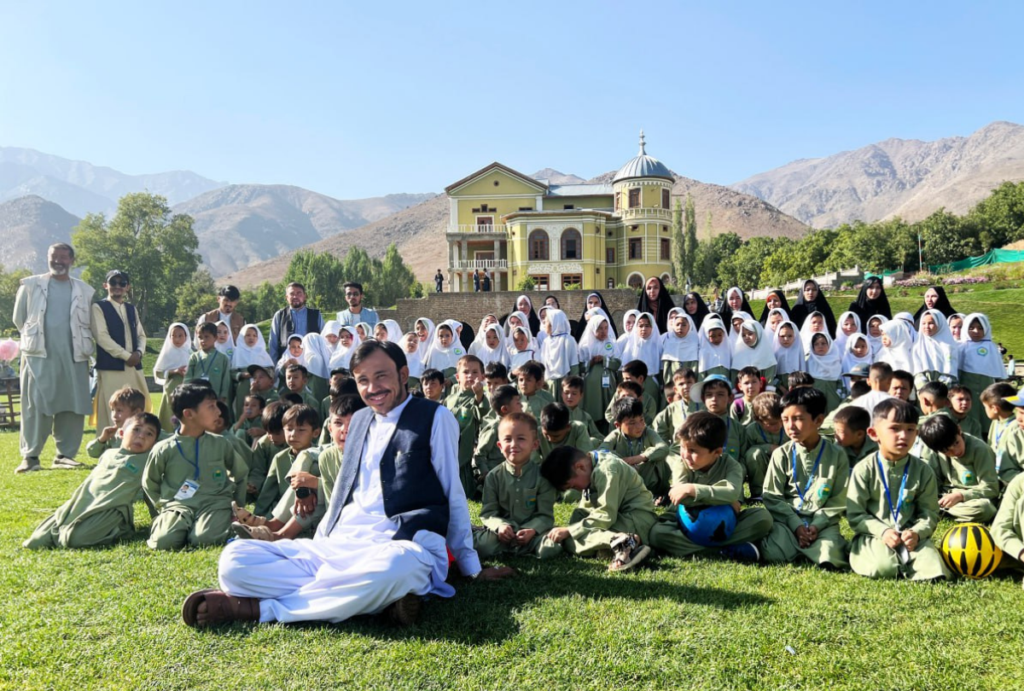
Knowledge as Sadaqah Jariyah: Why supporting education is a lasting legacy
Every believer hopes to leave behind a legacy that continues to earn the pleasure of Allah (swt). While many acts of charity…
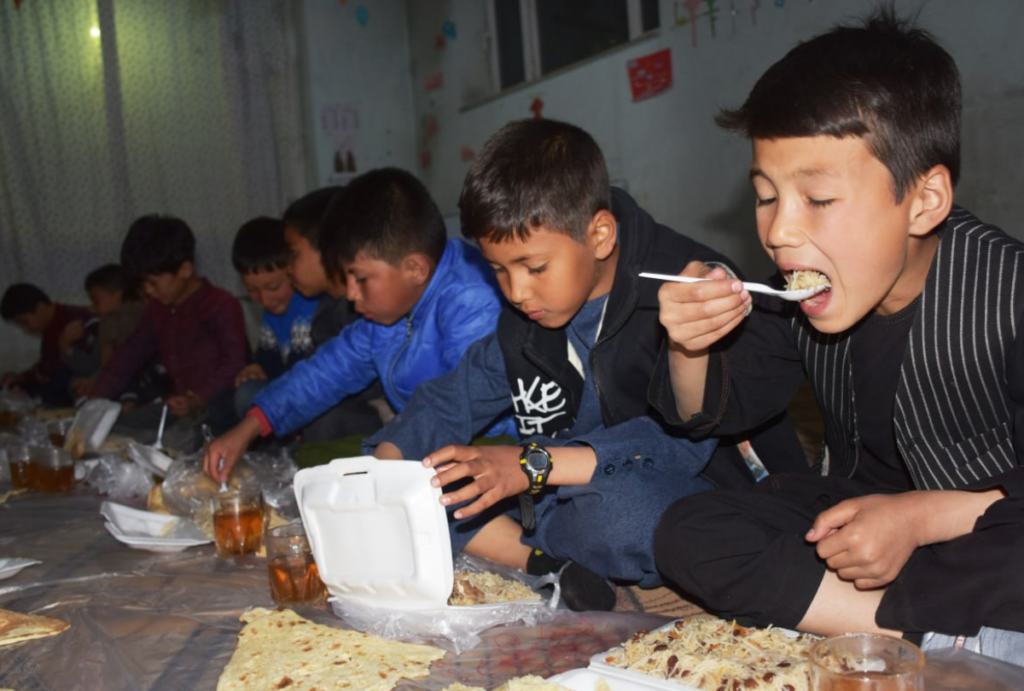
Why school meals matter more than you think
For many children, school represents more than a classroom. It is a place of safety, opportunity, and hope. For millions of children…
5 Quran Verses About Knowledge and What They Teach Us
Knowledge is one of the greatest blessings Allah (swt) has given humanity. Through knowledge, we strengthen our faith, deepen our understanding of…