How to Avoid the Post-Eid Spiritual Crash
Eid often ends more quietly than we expect.
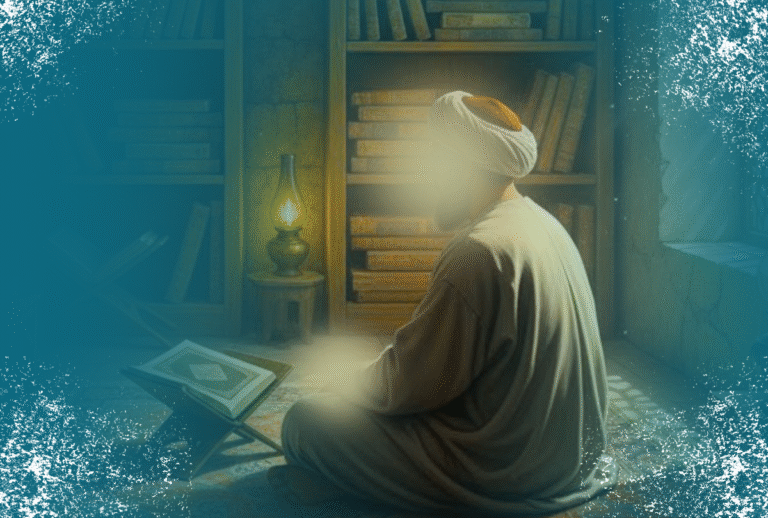
After weeks filled with Quran recitation, late-night prayers, and full mosques, the days suddenly feel different.
The routines soften, the spiritual energy fades, and a sense of emptiness can appear without warning.
If you have noticed a spiritual low after Eid, know that this experience is shared by many.
The shift after Shahr Ramadan can feel heavy, especially when the closeness to Allah (swt) felt so strong just days before.
This post-Eid crash does not mean your worship failed.
It means you are adjusting back to ordinary life.
When the Lights of Shahr Ramadan Feel Far Away
After Shahr Ramadan, daily life returns at full speed.
Once Shahr Ramadan ends, everyday responsibilities return quickly.
Work demands attention, school schedules resume, and family obligations take priority.
Without the built-in structure of the month, spiritual habits can slip more easily.
This is often where spiritual burnout sets in.
Shaytan uses this moment to stir guilt, making believers feel disconnected or unworthy, as though their efforts during Shahr Ramadan did not truly count.
These thoughts can discourage people from trying at all.
But feeling this way after Eid does not erase what you built.
Faith naturally rises and falls.
What matters is not staying at a spiritual high, but learning how to return gently when the energy fades.
Do Not Quit After Eid, Choose Consistency Instead
If there is one message to hold onto after Eid, it is this.
Do not give up. Do not overwhelm yourself. And do not expect to live at Ramadan intensity year-round.
Islam teaches that consistency carries more weight than intensity.
The aim after Shahr Ramadan is to keep a small connection alive, not to recreate the entire month.
Imam Sajjad (as) is narrated to have said:
“The best of (good) deeds in the sight of Allah (swt) are those that are performed habitually, even if they be few in number.”
Al-Kafi, v.1
Life After Shahr Ramadan Is Meant to Be Sustainable
Shahr Ramadan shows us what devotion can look like when everything aligns.
But it was never meant to define the pace of the entire year.
A healthy spiritual life after Shahr Ramadan is built on realistic worship.
Short moments of remembrance, quiet prayer, and sincere intention slowly shape a strong foundation.
This steady approach allows faith to grow without pressure.
Allah (swt) reminds us of the destination when He says:
“Those who believe and do good deeds; they are the dwellers of the Garden, in it they shall abide.”
Surah Baqarah, Verse 82
Good deeds are not measured by quantity alone. They are valued for their sincerity, regularity, and purpose.
Simple Ways to Stay Spiritually Grounded After Eid
When post Shahr Ramadan motivation feels low, the best approach is simplicity.
Choose actions that fit naturally into your day, such as:
- Reading a few verses of Quran daily
- Praying two rak‘ahs of voluntary prayer with consistency
- Making regular istighfar or sending salawat
- Giving charity weekly, even in small amounts
The Zahra Trust highlights the power of steady giving and long-term commitment.
In the same way, spiritual growth after Eid comes from small, reliable habits that build over time.
Select one or two acts and commit to them gently.
You Are Not Alone in This Struggle
Spiritual highs and lows are part of every believer’s journey.
Across the global community, many experience moments of distance after Eid and quietly wonder how to reconnect.
Faith is not lost in these moments. It is strengthened through return.
By supporting one another beyond Shahr Ramadan, believers learn that growth does not require perfection, only persistence.
Even slow steps still move the heart forward.
FAQ
After Eid, the sudden loss of structure and routine can lead to emotional and spiritual fatigue. This feeling does not mean your worship during Shahr Ramadan was wasted. It reflects a natural transition back to everyday life.
Yes, spiritual burnout can happen when intense worship is followed by abrupt change. Islam encourages balance, rest, and sustainable devotion rather than constant intensity.
Post Shahr Ramadan motivation grows through consistency, not pressure. Choose small acts you can maintain and allow your connection with Allah (swt) to grow steadily over time.
You are not expected to. Shahr Ramadan is a training ground, not a permanent pace. Focus on what you can continue realistically without guilt.
Yes. The teachings of the Ahlulbayt (as) emphasise that Allah (swt) loves deeds done regularly, even if they are few. Consistency builds sincerity and endurance.
Start gently. Make dua, return to one small act of worship, and ask Allah (swt) for closeness. Spiritual recovery begins with intention, not perfection.