How Compassion in Islam Brings Powerful Warmth and Hope
Winter often arrives quietly: snow settling on rooftops, heaters humming through long nights, and families gathering around warm meals.
Yet in many parts of the world, winter brings something very different: a season of testing, scarcity, and struggle.
For Muslims, this contrast invites reflection.
Compassion in Islam teaches us that responding to hardship with mercy, generosity, and sincerity is not only encouraged, it’s an expression of faith itself.
“The parable of those who spend their wealth in the way of Allah (swt) is as the parable of a grain growing seven ears, in every ear, there are a hundred grains; and Allah (swt) multiplies for whom He pleases; Allah (swt) is Ample-giving, All-knowing.” (Quran 2:261)
Understanding Compassion in Islam During Winter
The Quranic Foundation of Mercy and Generosity
The Quran places mercy at the heart of belief.
From the opening verse of Surah Al-Fatiha to the countless reminders across the Quran, compassion and generosity are hallmarks of a faithful life.
Verses like 261 from Surah Al-Baqarah strengthen this message by showing that sincere giving multiplies, not only in reward, but in its impact on the world.
As winter sets in, many families across the world face conditions that challenge their daily lives.
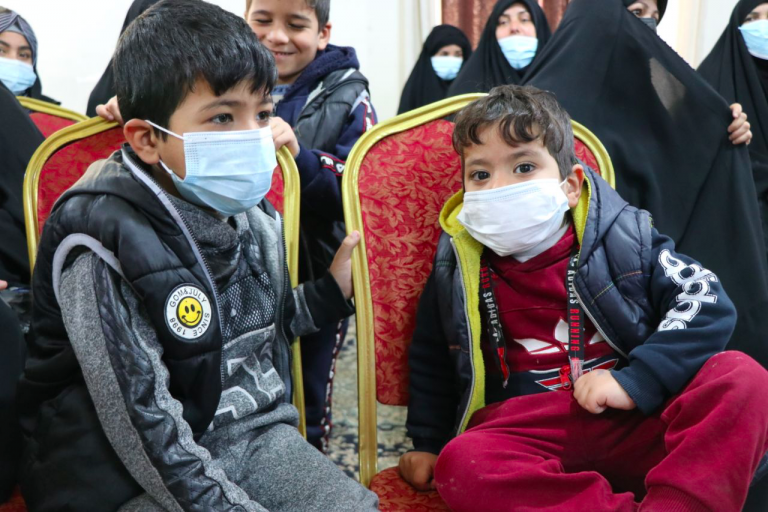
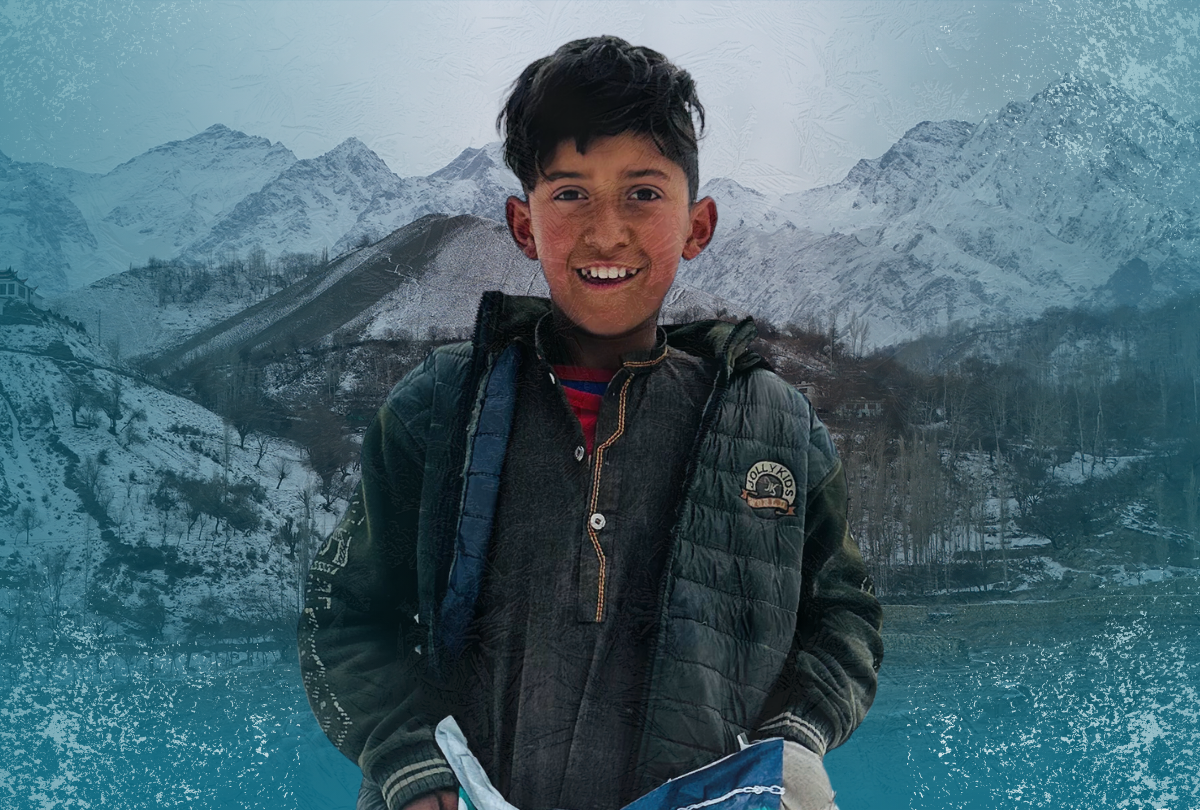
Homes without heating, kitchens without food, and children wrapped in layers that still aren’t enough to keep out the cold.
These realities remind us that Islamic compassion isn’t abstract; it’s practical, deeply human, and urgently needed.
How Winter Reveals Human Need and Human Potential
Winter has a way of exposing vulnerabilities.
In countries such as Iraq, Pakistan, Lebanon, and Afghanistan, families enter winter with strength but without many of the resources needed to withstand freezing temperatures.
Parents stretch what they can afford.
Families gather closely to keep warm.
Through it all, dignity remains central; they seek support that preserves not only their lives, but their sense of honor.
Meanwhile, many of us experience winter differently.
We turn up thermostats, enjoy hot meals, and rely on modern comforts.
These blessings invite gratitude and responsibility.
Islam teaches that gratitude expresses itself through giving, and winter becomes an opportunity to live that teaching in a powerful, meaningful way.
Why Compassion in Islam Is an Active Responsibility
Moving From Emotion to Action in Islamic Teachings
Islam is a faith of action.
Compassion is not meant to remain in the heart; it is meant to move the hands, guide behaviour, and uplift others.
Whether it’s offering warmth, sharing food, or helping someone secure the essentials for survival, these acts become reflections of our commitment to Allah (swt).
Giving is not limited to wealth.
A warm smile, a kind word, time spent helping someone; these forms of generosity show how compassion in Islam extends into all parts of life.
Everyday Acts of Warmth: Small Deeds, Big Impact
Acts of compassion can be simple but meaningful.
Checking on an elderly neighbour, donating winter clothing to local shelters, supporting a family who recently arrived as refugees, or contributing to winter aid programs; each act carries tremendous weight in the sight of Allah (swt).
Small gestures can become lifelines.
Something as simple as gloves, a blanket, or a warm meal can restore hope where it begins to fade.
Lessons of Compassion From the Ahlulbayt (as)
Imam Ali (as): Quiet Service and Humility
Imam Ali (as) dedicated his nights to serving others.
He carried food, water, and firewood across the city of Kufa, delivering warmth and relief to families who needed it most.
His humility teaches us that service performed quietly, without seeking praise, is among the most noble forms of worship.
Lady Fatima (sa): Giving Without Hesitation
Lady Fatima (sa) showed extraordinary generosity, often giving away what she needed herself.
Her example emphasizes that true giving doesn’t wait for abundance; it grows out of sincerity and trust in Allah (swt).
Her life is a reminder that compassion is measured by intention, not wealth.
Imam Sajjad (as): Hidden Generosity
Imam Sajjad (as) carried food and supplies to households secretly, ensuring families never felt embarrassed to receive help.
His devotion teaches us that compassion should uplift people while guarding their dignity.
How Compassion in Islam Strengthens Communities
Dignity-Centered Support for Families in Need
Islam teaches that compassion should empower, not shame.
When we provide warmth, whether through clothing, food, heaters, or support programs, we honor the dignity of our brothers and sisters.
Dignity is central to Islamic giving and remains a core value in faith-driven charity.
Creating a Culture of Mercy in Local Communities
Across American cities, Muslim communities are building cultures of mercy.
Masjids hold winter drives, youth groups assemble care packages, and families volunteer to support shelters and refugee organizations.
These efforts reflect the beauty of compassion in Islam lived out in modern, practical ways.
Modern Expressions of Islamic Compassion in Winter
Supporting Families Facing Hardship
When winter arrives, the challenges grow heavier for vulnerable families both abroad and at home.
Through community support and global outreach programs, Muslims across the US play a vital role in extending warmth and hope to those struggling.
Community Relief Efforts: Food, Clothing, and Warmth
Efforts that bring the teachings of Islam into tangible action include:
- Distributing winter coats
- Providing warm meals
- Donating blankets
Offering heating assistance
The Role of Dua and Spiritual Care
Material aid is essential, but spiritual compassion matters too.
Making dua for families facing hardship, both near and far, connects hearts and reinforces our shared humanity.
Prayer is an act of empathy that transcends borders.
The Zahra Trust: Turning Faith into Action
Winter Relief Programs That Restore Hope
With the support of donors, The Zahra Trust has been able to deliver aid with dignity and care.
During the winter of 2024 alone, 33,774 people received assistance that included:
- 15,620 individuals provided with warm, nourishing food
- 621 people equipped with protective winter clothing
- 73 families supplied with new heating systems
How Donors Multiply Their Impact Through Compassion
Just as the Quranic verse describes, giving for Allah’s (swt) sake multiplies beyond measure, both in reward and in the impact it creates for families facing harsh conditions.
As verse 261 from Surah Al-Baqarah teaches, compassion multiplies.
A single donation can ripple into dozens of warm meals, blankets, and restored hopes.
Donors play a vital role in expanding the reach of winter relief efforts that honor dignity and preserve life.
How You Can Be a Source of Warmth This Winter
Simple Acts of Care You Can Offer Today
- Check on vulnerable neighbors
- Donate warm clothing or blankets
- Support your local masjid’s winter relief drive
- Assist refugee families settling into communities
- Make dua for people facing harsh winter conditions
Giving With Sincerity: The Heart of Islamic Charity
Islam teaches that the most meaningful acts are those done for Allah (swt) alone.
When we give with sincerity, even if the act feels small, it becomes a form of worship that brings warmth both to the giver and the receiver.
Carrying Warmth Into Every Season
Compassion in Islam reminds us that winter is not only a season, it is a call to action.
Every gesture of kindness becomes a reflection of faith, echoing the mercy taught in the Quran and lived by the Ahlulbayt (as).
When we extend warmth to others, we illuminate their lives with hope, dignity, and comfort.
FAQ
Compassion is considered an act of worship in Islam. Offering warmth, food, or kindness in winter reflects Quranic teachings and the example set by the Ahlulbayt (as).
Quran 2:261 reminds believers that sincere charity multiplies. Giving during hardship carries special significance and reward.
Imam Ali (as), Lady Fatima (sa), and Imam Sajjad (as) practiced quiet, sincere generosity. Their actions highlight humility, sincerity, and unwavering compassion.
- Check on neighbors
- Share warm items
- Support local relief efforts
- Help refugee or low-income families
- Make dua for those in hardship
Your contributions help provide heating, clothing, food, and essential items to families in need, bringing dignity and warmth to thousands.