

Imam Ali (as) is lovingly remembered for his unwavering faith and generosity.
He also gave us timeless lessons on how to care for others with compassion.
The Imam (as) is reported to have said:
“Generosity is a means of nearness (to Allah).” (Bihar al-Anwar, v.72, p193, n.9)
Here are three beautiful lessons we can learn from him.
1. Caring for Orphans
Imam Ali (as) was called “Abu Al-Aytam,” meaning “The Father of the Orphans.”
He (as) would personally feed, clothe, and play with orphaned children, comforting them as a loving father would.
He represented true giving, with pure intention and devotion.
Lesson: Generosity means giving love and care, not just material help.
2. Supporting the Poor
In one instance during his salaat, Imam Ali (as) gave his ring in ruku to a beggar.
Allah (swt) then revealed the verse:
“(O you the believers). Your guardian is only Allah (swt), His Messenger (saww) and the believers who perform the prayer and pay the alms while bowing down (in prayer).” (Quran, 5:55)
Lesson: Generosity is sharing what we have, even when it means sacrifice.
Imam Ali (as) didn’t give from surplus – he gave during prayer, from a state of spiritual elevation.
This act links worship and charity as one, and reminds us that to give to others is to give to Allah (swt) Himself.
3. Protecting the Vulnerable
Imam Ali (as) is also remembered for distributing food to widows, the elderly, and those in need – without anyone knowing.
Lesson: Generosity is serving others sincerely, expecting nothing in return.
His actions were unseen, unspoken, and unpublicized.
He showed us that true giving is done purely for the sake of Allah (swt), not recognition or praise.
A Legacy of Compassion
For Imam Ali (as), generosity was not an act but a way of life.
His legacy calls us to live with compassion, humility, and selflessness.
In a world of increasing injustice, poverty, and despair, it remains more important than ever to leave behind a legacy of care, giving, and charity – not only for our own reward but for the betterment of our Ummah itself.
FAQ
Imam Ali (as) was the cousin and son-in-law of Prophet Muhammad (saww), the first Imam in Shia Islam, and a central figure known for his justice, bravery, and deep spiritual wisdom. He is revered for his exemplary character, especially his acts of generosity and service to the poor and vulnerable.
Imam Ali (as) was often referred to as “Abu Al-Aytam”, meaning “The Father of the Orphans”, due to his extraordinary care for orphaned children. He would personally feed, clothe, and comfort them, acting as a compassionate father figure to those without support.
During his prayer, Imam Ali (as) gave his ring to a beggar while in the state of ruku. This act of generosity was so significant that it was referenced in the Quran (Surah al-Ma’idah, 5:55), showing how his selflessness was acknowledged by Allah (swt) as a sign of true guardianship and faith.
Imam Ali (as) would carry food on his back during the night to deliver it discreetly to widows, orphans, and the elderly. He believed in helping others quietly and sincerely, expecting no recognition in return. His acts teach us the value of hidden charity done for Allah (swt) alone.
From Imam Ali’s (as) life, we learn that generosity is more than giving money – it includes emotional care, personal sacrifice, and serving others with humility. His legacy encourages Muslims to be generous in spirit and action, especially toward those in need.
More from Blog
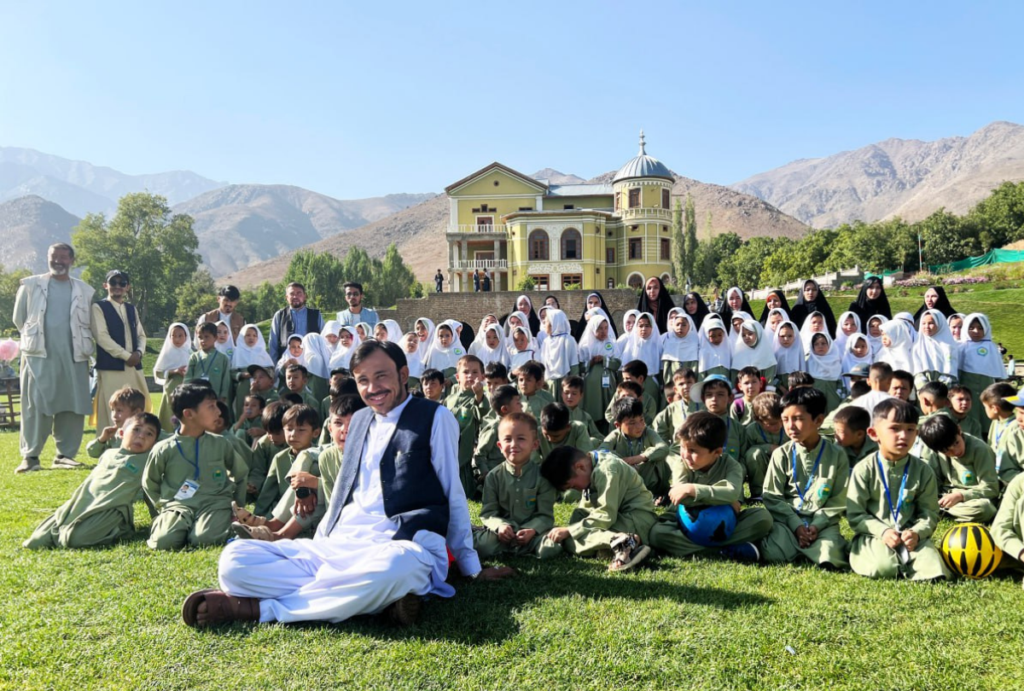
Knowledge as Sadaqah Jariyah: Why supporting education is a lasting legacy
Every believer hopes to leave behind a legacy that continues to earn the pleasure of Allah (swt). While many acts of charity…

Why school meals matter more than you think
For many children, school represents more than a classroom. It is a place of safety, opportunity, and hope. For millions of children…
5 Quran Verses About Knowledge and What They Teach Us
Knowledge is one of the greatest blessings Allah (swt) has given humanity. Through knowledge, we strengthen our faith, deepen our understanding of…