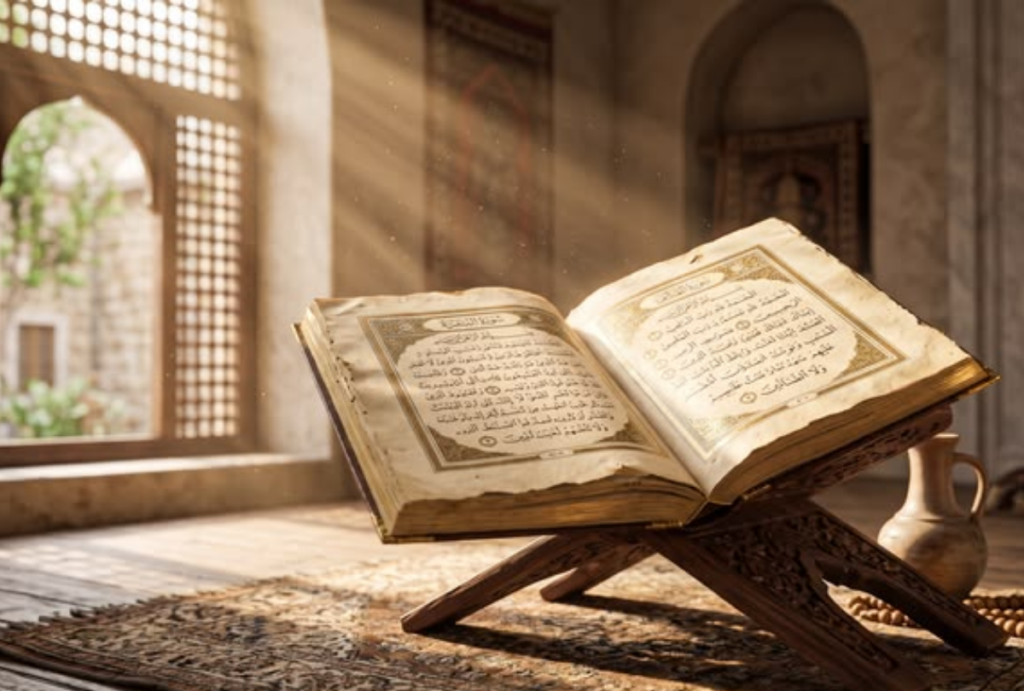
Knowledge is one of the greatest blessings Allah (swt) has given humanity. Through knowledge, we strengthen our faith, deepen our understanding of Islam, and develop the ability to serve others with wisdom and compassion.
As students across the United States prepare to head back to school, the new academic year is a reminder that education is a gift. While many children are excited to return to their classrooms, millions around the world are still unable to attend school because of poverty, conflict, and displacement.
The Holy Quran reminds us that seeking knowledge is an act of worship. It also teaches us that helping others gain an education is an act of mercy that can transform lives for generations to come.
Here are five Quran verses that remind us why knowledge matters and why supporting education is an investment in both this life and the next.
1. The First Revelation Began with "Read"
The first words revealed to the Holy Prophet Muhammad (saww) emphasized the importance of learning.
Allah (swt) says:
"Read in the Name of your Lord Who created." (96:1)
The first command revealed was Iqra'—"Read."
This powerful opening shows that Islam places knowledge at the center of faith. Learning is not simply about gaining information; it is about recognizing Allah's (swt) signs, understanding His guidance, and growing closer to Him.
The Ahlulbayt (as) continued this tradition by encouraging believers to seek beneficial knowledge throughout their lives, making education a lifelong journey.
2. Allah (swt) Honors Those Who Seek Knowledge
The Quran teaches that true honor comes through faith and knowledge.
Allah (swt) says:
Knowledge develops character as much as it develops understanding. It equips people to make wise decisions, care for others, and become leaders within their communities.
When children receive an education, they gain the opportunity to build brighter futures for themselves, their families, and generations to come.
3. Ask Allah (swt) to Increase You in Knowledge
The Quran teaches believers that knowledge is one blessing they should never stop pursuing.
Allah (swt) instructs the Holy Prophet (saww):
"My Lord, increase me in knowledge." (20:114)
This beautiful supplication reminds us that learning has no finish line. Whether we are students, parents, or professionals, there is always more to discover about our faith and the world around us.
Seeking knowledge with sincerity is an act that continues to bring a believer closer to Allah (swt).
4. True Knowledge Brings Us Closer to Allah (swt)
The Quran explains that genuine knowledge should increase humility rather than pride.
Allah (swt) says:
"Only those of His servants who possess knowledge truly fear Allah." (35:28)
The more we learn about Allah's(swt) creation, the more we recognize His greatness, wisdom, and mercy.
True education nurtures both the intellect and the heart, inspiring believers to live with compassion, gratitude, and responsibility.
5. Those Who Know Are Not Equal to Those Who Do Not
The Quran reminds us of the value of learning by asking a simple but powerful question.
Allah (swt) says:
"Say, are those who know equal to those who do not know?" (39:9)
Knowledge opens doors to opportunity and empowers people to overcome challenges. It enables communities to thrive and helps individuals use their talents in service of others.
For this reason, supporting education is one of the most meaningful ways to create lasting change.
What These Verses Teach Us
These verses remind us that education is about much more than academic achievement. It is about developing faith, wisdom, and the ability to make a positive difference in the lives of others.
For Shia Muslims, the teachings of the Ahlulbayt (as) reinforce the importance of seeking knowledge throughout life. Imam Ali (as) taught that a person's true value is measured by their knowledge, encouraging believers to continue learning while using that knowledge to serve humanity.
Help a Child Learn This Back to School Season
As students across the United States prepare for a new school year, many children around the world remain unable to access even the most basic education.
This Back to School season, you can help change that.
By supporting The Zahra Trust USA's Back to School Campaign, you can help provide vulnerable children with access to education, school supplies, and opportunities that can shape the rest of their lives. Your generosity can become a form of Sadaqah Jariyah, creating lasting rewards while giving children the chance to learn, grow, and build a brighter future.
Together, we can help ensure that every child has the opportunity to fulfill the potential Allah (swt) has given them.
Frequently Asked Questions
What does the Quran say about knowledge?
The Quran repeatedly encourages believers to seek knowledge, reflect on Allah's creation, and continue learning throughout their lives. Knowledge strengthens faith and helps Muslims live according to Allah's guidance.
What is the first Quran verse about knowledge?
The first revelation received by the Holy Prophet Muhammad (saww) begins with the words, "Read in the Name of your Lord Who created" (Surah Al-'Alaq 96:1), highlighting the central role of knowledge in Islam.
Why is education important in Islam?
Education helps Muslims better understand their faith, develop good character, and contribute positively to their families and communities. Seeking beneficial knowledge is considered an act of worship.
What did Imam Ali (as) teach about knowledge?
Imam Ali (as) emphasized that knowledge gives life to the soul and taught that a person's true worth is measured by their knowledge, wisdom, and character.
How does The Zahra Trust USA support education?
Through its Back to School Campaign and humanitarian programs, The Zahra Trust USA helps vulnerable children access education, school supplies, and opportunities that empower them to build brighter futures despite poverty, conflict, or displacement.
More from Blog
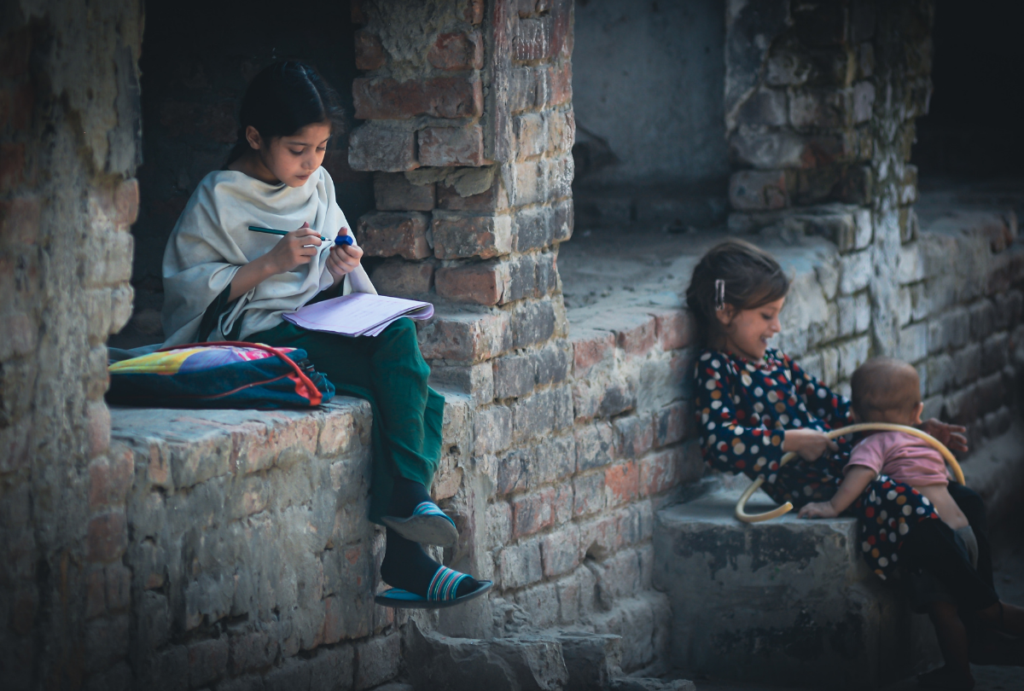
Education in Crisis: When Conflict Steals the Classroom
Conflict doesn't only destroy buildings—it can also steal a child's future. For millions of children around the world, war and displacement mean…
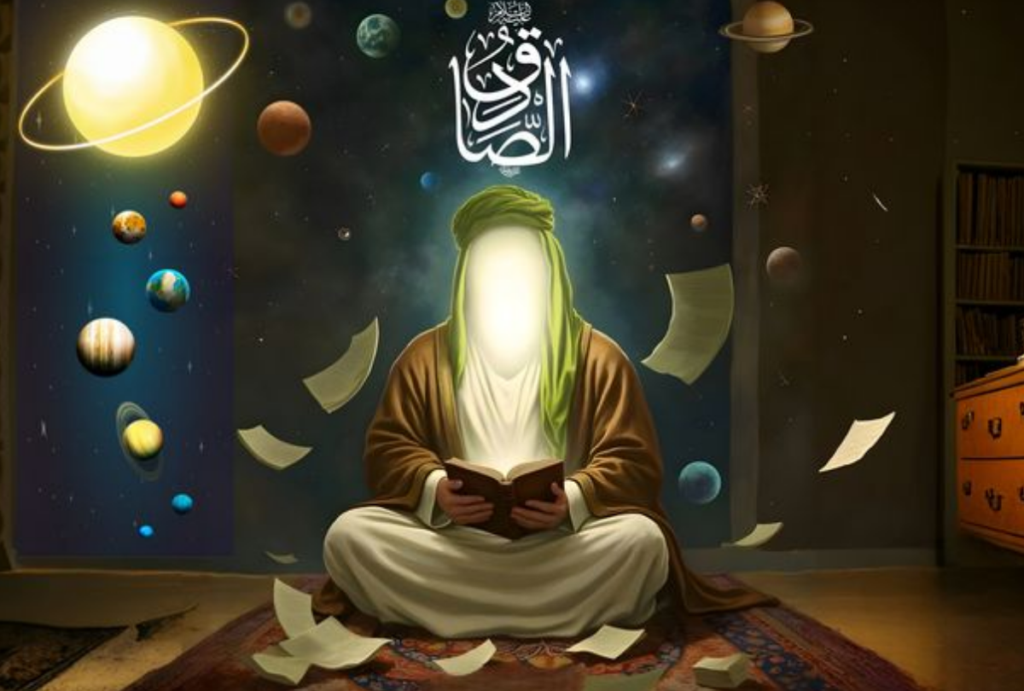
Imam Jafar al-Sadiq (as): Inspiring generations of scholars
Throughout Islamic history, certain figures have left a lasting mark not only through their teachings, but through the generations of knowledge they…

From Revelation to Scholarship: The Legacy of the Prophet (saww) & Imam Ja’far al-Sadiq (as)
Discover how the Prophet Muhammad (saww) and Imam Ja'far al-Sadiq (as) established a lasting legacy of knowledge in Islam. Learn why seeking…