
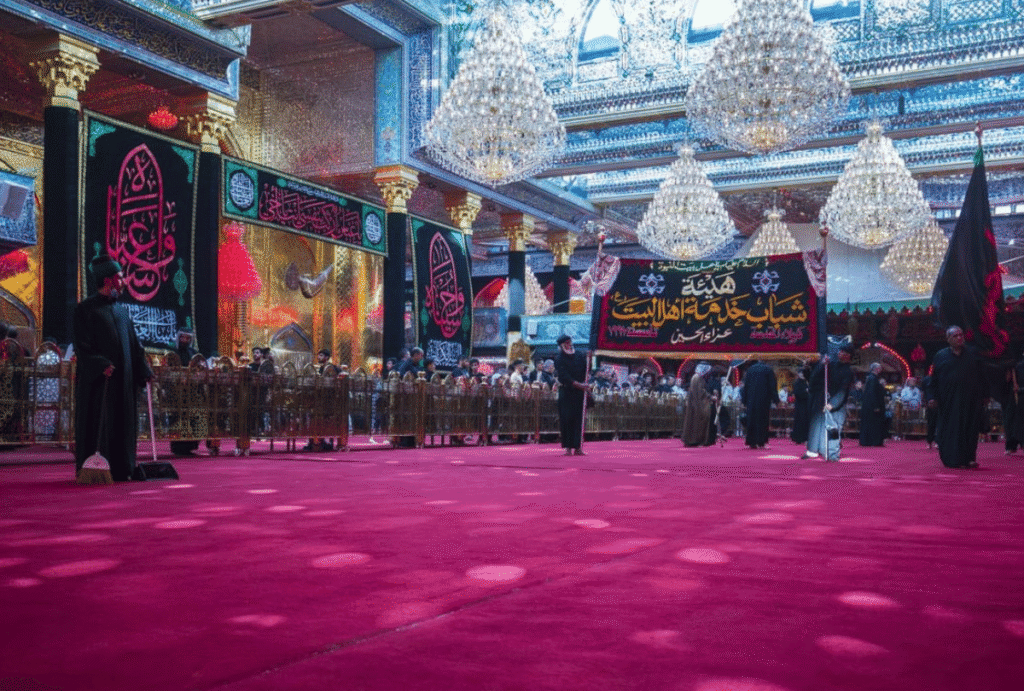
Karbala is not only a historical event remembered during Muharram and Safar. It is a living message that continues to guide believers through its lessons of faith, sacrifice, justice and compassion.
Every year, millions gather for Arbaeen to honour Imam Hussain (as), reflect on his stand for truth and renew their commitment to the values he represented. However, the true purpose of remembrance is to allow those values to influence our daily lives long after the gatherings have ended.
The message of Karbala asks us to reflect on our own responsibilities. How do we respond to injustice? How do we support those in need? How do we strengthen our connection with Allah (swt) and serve His creation?
The Holy Quran reminds us:
“Therefore, do (your duty and) remind (the people) if reminding benefits (them).” (87:9)
Remembering Karbala is a form of guidance and reflection. It allows us to take lessons from the sacrifice of Imam Hussain (as) and apply them in our homes, communities and wider society.
Here are seven ways to keep the message of Karbala alive throughout the year.
#1: Transform remembrance into meaningful reflection
The remembrance of Karbala should inspire more than emotion alone. It should encourage believers to reflect on their own lives and consider how the teachings of Imam Hussain (as) can shape their actions.
The events of Ashura teach us about commitment, courage and remaining firm upon truth. These lessons remain relevant because every person faces moments where they must choose between convenience and principle.
Practical ways to reflect on Karbala throughout the year include:
Reading about the life and sacrifice of Imam Hussain (as).
Discussing lessons from Karbala with family and friends.
Reflecting on personal actions and areas for improvement.
Connecting acts of worship with stronger character and responsibility.
Keeping Karbala alive begins when remembrance becomes a source of personal transformation.
#2: Defend justice and stand truth
A central lesson from Karbala is the importance of standing for justice, even when the path is difficult.
Imam Hussain (as) showed that believers must remain committed to truth and oppose wrongdoing. His sacrifice continues to remind us that faith requires action, courage and responsibility.
Justice is not only demonstrated through major decisions. It appears in everyday interactions and the way we treat others.
We can reflect the message of Karbala by:
Being fair in our relationships.
Supporting people who face hardship.
Speaking respectfully when we see injustice.
Choosing honesty over personal benefit.
When justice becomes part of our character, we carry forward the values Imam Hussain (as) defended.
#3: Continue the spirit of service inspired by Arbaeen
One of the most powerful examples of Arbaeen is the spirit of service shown by millions of people who welcome, support and care for visitors.
The hospitality associated with Arbaeen reflects the values of sacrifice and generosity. People offer food, water, shelter and assistance because serving others is seen as an honour.
This spirit can continue throughout the year through everyday acts of kindness.
Ways to maintain this approach include:
Volunteering within your local community.
Helping vulnerable individuals and families.
Encouraging children to take part in acts of service.
By making service part of our lives, we continue the compassion and generosity that define the message of Karbala.
#4: Strengthen unity through the legacy of Karbala
Arbaeen demonstrates the ability of Karbala to bring people together. Believers from different backgrounds, cultures and communities gather with a shared love for Imam Hussain (as).
This unity reflects an important lesson: the message of Karbala is not limited by geography, language or culture. It connects people through common values of faith, dignity and compassion.
Communities can preserve this spirit by:
Creating welcoming spaces for all.
Supporting meaningful community initiatives.
Encouraging cooperation and understanding.
Focusing on shared principles rather than differences.
Keeping Karbala alive means allowing its message to unite hearts and strengthen communities.
#5: Develop humility and strong character
The journey of Arbaeen teaches many lessons about humility. Millions participate without seeking recognition, choosing instead to serve others and honour Imam Hussain (as).
This reminds believers that true value comes through sincerity, kindness and good character.
We can practise humility by:
Helping others without expecting praise.
Accepting mistakes and apologising when needed.
Treating every person with dignity.
Prioritising character over status.
The legacy of Karbala is reflected not only in what we remember, but in how we behave.
#6: Pass the lessons of Karbala to future generations
A key responsibility of keeping Karbala alive is ensuring that future generations understand its meaning.
Lady Zainab (sa) played an essential role in preserving the message of Karbala after the tragedy of Ashura. Through her patience, courage and strength, the lessons of Imam Hussain (as) continued to reach future generations.
Families today can follow this example by teaching children about the values behind Karbala.
This can include:
Sharing stories of Imam Hussain (as) in an age-appropriate way.
Discussing lessons of honesty, courage and compassion.
Encouraging young people to serve their communities.
Connecting religious remembrance with positive action.
When children understand the purpose behind Karbala, they become part of carrying its message forward.
#7: Make Karbala part of your everyday commitment
The message of Karbala does not end when Muharram and Safar conclude. Its lessons are meant to influence believers throughout every season of the year.
The love for Imam Hussain (as) found in the hearts of believers continues to inspire acts of worship, charity and service.
This lasting connection should encourage us to transform remembrance into action. The best way to honour Imam Hussain (as) is to allow his values to guide our choices and commitments.
This can be achieved through:
Continuing to learn about Karbala.
Maintaining acts of charity beyond Muharram and Safar.
Supporting those facing difficulties.
Building stronger relationships with family and community.
When the lessons of Karbala become part of our daily lives, its message remains alive.
Continue the message of Karbala through lasting impact
The remembrance of Imam Hussain (as) is not limited to a specific time of year. Muharram and Safar provide an opportunity to renew our commitment, but the impact of that remembrance should continue long afterwards.
By turning reflection into action, believers can honour the message of Karbala through compassion, generosity and support for others.
Let your remembrance continue long after Muharram and Safar end.
Continue the message of Karbala by supporting projects that create ongoing reward and lasting impact. Through acts of giving and sustainable support, we can help build a legacy that lives on, inspired by the values of Imam Hussain (as).
Frequently asked questions
What is the main message of Karbala?
The message of Karbala is centered on standing for truth, justice and faith despite hardship. Imam Hussain (as) demonstrated courage, sacrifice and devotion to protecting Islamic principles.
Why is Arbaeen important in remembering Imam Hussain (as)?
Arbaeen allows believers to reconnect with the sacrifice of Imam Hussain (as) and reflect on the values of service, unity, devotion and perseverance that continue through his legacy.
How can we keep the message of Karbala alive throughout the year?
We can preserve the message of Karbala by reflecting on its lessons, practising justice, serving others, supporting charitable efforts and applying the teachings of Imam Hussain (as) in our daily lives.
What lessons can we learn from Imam Hussain (as)?
Imam Hussain (as) teaches the importance of courage, patience, sacrifice, integrity and remaining committed to truth even when facing challenges.
How can families teach children about Karbala?
Families can introduce children to Karbala through stories, discussions, educational activities and by demonstrating its values through kindness, honesty and helping others.
How can giving continue the message of Karbala?
Giving allows believers to transform remembrance into meaningful action by creating benefit for others. Supporting ongoing charitable efforts reflects the compassion and selflessness associated with Imam Hussain’s (as) legacy.
More from Blog
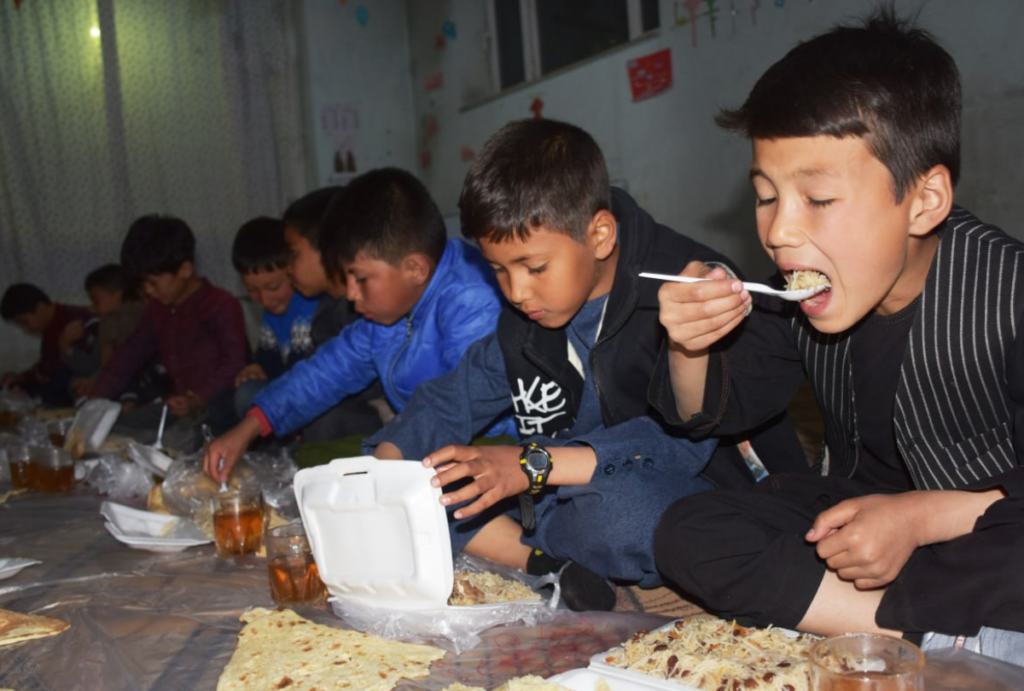
Why school meals matter more than you think
For many children, school represents more than a classroom. It is a place of safety, opportunity, and hope. For millions of children…
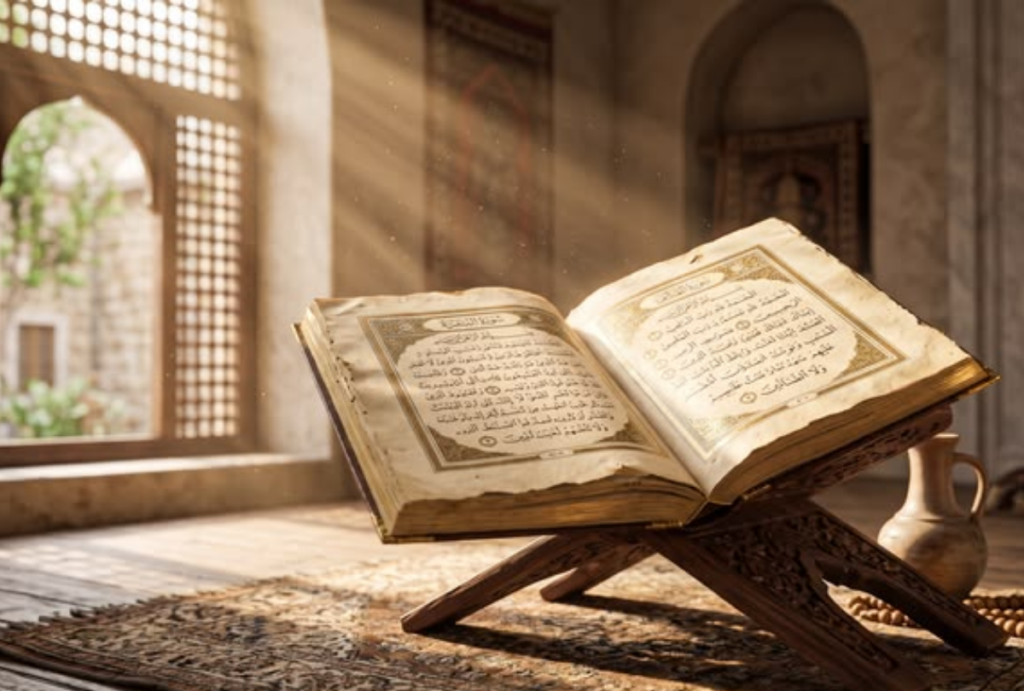
5 Quran Verses About Knowledge and What They Teach Us
Knowledge is one of the greatest blessings Allah (swt) has given humanity. Through knowledge, we strengthen our faith, deepen our understanding of…
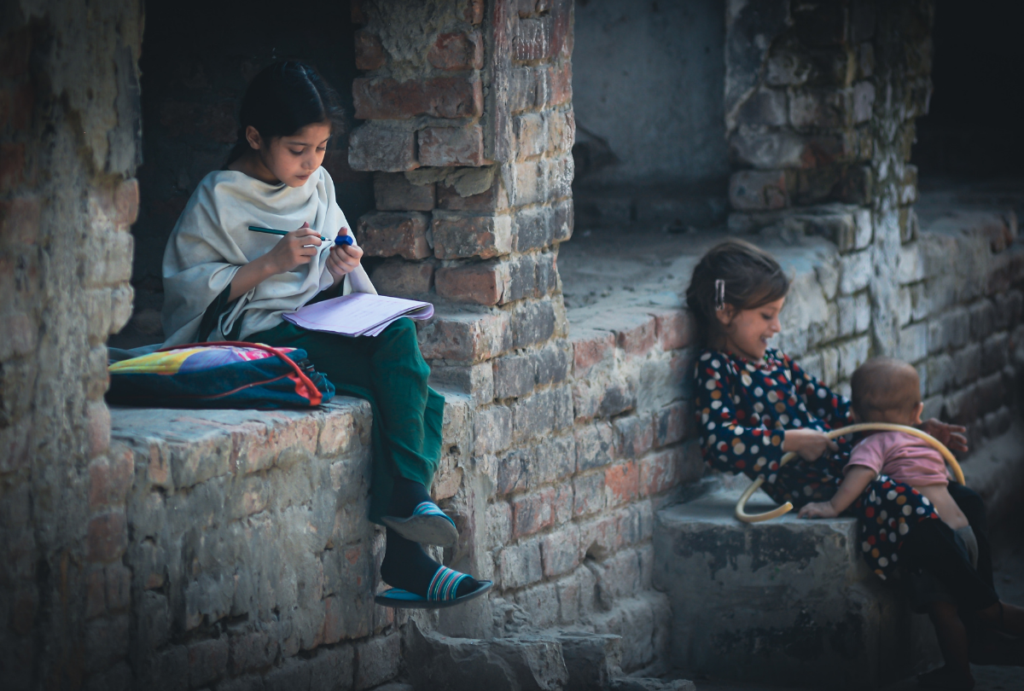
Education in Crisis: When Conflict Steals the Classroom
Conflict doesn't only destroy buildings—it can also steal a child's future. For millions of children around the world, war and displacement mean…