
Continue Remembrance Through Action and Service After Ashura | The Zahra Trust USA
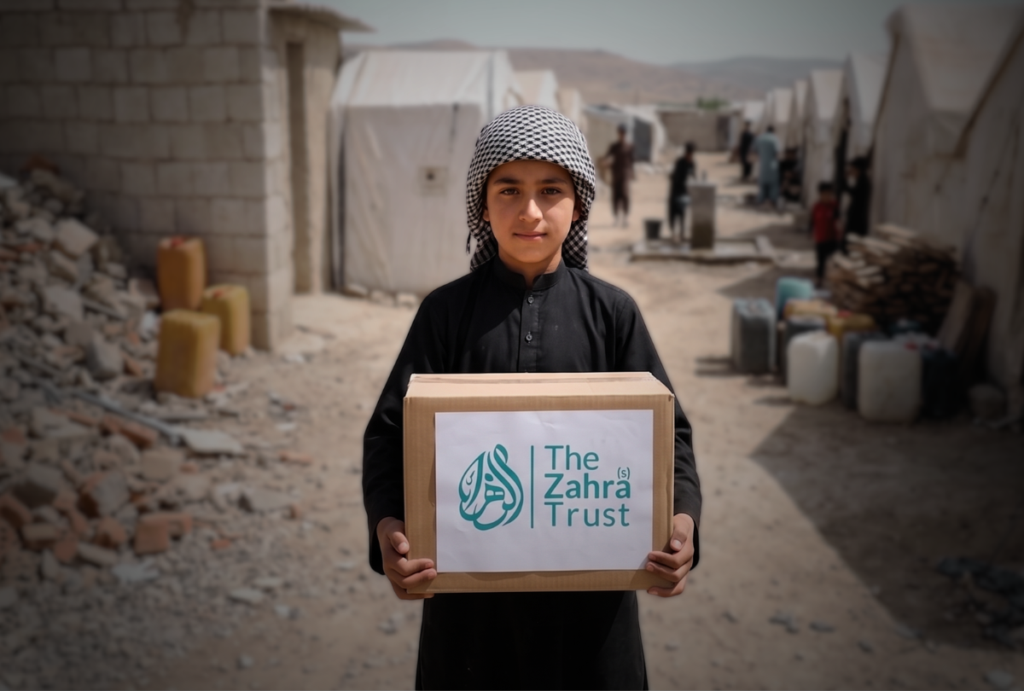
As the days of Muharram begin to pass, many believers carry with them the emotions of Ashura.
The gatherings may become less frequent, and the commemorations may draw to a close, but the message of Karbala remains as powerful as ever. For followers of the Ahlulbayt (as), Ashura is not an ending. It is a beginning.
The sacrifice of Imam Hussain (as) was never meant to inspire remembrance alone. It was meant to inspire action.
Karbala Was Never Meant for Ten Days Alone
Every year, millions of believers gather to mourn Imam Hussain (as), his family, and his loyal companions. Through majalis, matam, and reflection, we renew our connection to the tragedy of Karbala and the values it represents.
Yet Karbala was never intended to remain confined to the first ten days of Muharram.
The stand of Imam Hussain (as) was a stand for justice, truth, compassion, and unwavering faith in Allah (swt). These principles are not seasonal. They are values that should guide believers throughout the entire year.
Allah (swt) says in the Holy Quran:
This verse captures the essence of what Imam Hussain (as) stood for. His mission was to revive these values and preserve them for future generations.
What Happens After Ashura?
For many Shia Muslims, Ashura is one of the most emotionally significant days of the year.
The tears shed for Imam Hussain (as) come from love, loyalty, and grief for the suffering endured by the family of the Prophet (saww). However, the purpose of those tears is not simply remembrance.
The teachings of the Ahlulbayt (as) encourage believers to allow that remembrance to transform their actions.
After Ashura, we have an opportunity to ask ourselves an important question: Has Muharram changed us?
Have we become more conscious of injustice? More committed to helping others? More determined to live according to the values of Islam?
The true impact of Karbala is seen not only in what we feel, but in what we do.
Serving Others Is Part of Remembering Imam Hussain (as)
The legacy of Imam Hussain (as) is deeply connected to serving humanity.
The Ahlulbayt (as) consistently taught believers to care for the poor, support the vulnerable, and uphold the dignity of every human being. These teachings remain just as relevant today as they were centuries ago.
Across the world, families continue to struggle with poverty, hunger, displacement, and limited access to healthcare and education. Millions of people face challenges that threaten their wellbeing and future opportunities.
For those who love Imam Hussain (as), responding to these struggles is one of the clearest ways to honor his sacrifice.
Providing food for a family, supporting an orphan, helping fund medical care, or contributing toward clean water projects are all ways of putting the lessons of Karbala into practice.
Every act of service becomes an extension of remembrance.
Keeping Your Connection to the Ahlulbayt (as) Strong
The spiritual connection developed during Muharram should continue long after Ashura has passed.
One of the blessings of the mourning season is that it brings believers closer to the teachings of the Ahlulbayt (as). Maintaining that connection throughout the year helps ensure that the lessons of Karbala remain active in our daily lives.
Attending majalis, reading about the lives of the Imams (as), reciting dua, and reflecting upon the sacrifices of Karbala are all ways to strengthen faith and understanding.
These acts help believers carry the spirit of Muharram into their homes, communities, and everyday decisions.
The goal is not only to remember Karbala, but to allow its message to shape our character.
Building a Legacy Inspired by Karbala
One of the most powerful lessons of Karbala is that sincere sacrifice creates lasting impact.
More than thirteen centuries later, believers continue to be inspired by the stand of Imam Hussain (as). His sacrifice changed hearts, communities, and history itself.
In our own lives, we can build a legacy that continues benefiting others through acts of ongoing charity.
Sadaqah Jariyah projects such as water wells, educational initiatives, healthcare programs, and orphan support create long-term benefits for vulnerable communities. These projects continue helping people long after they have been established.
By investing in lasting change, believers can ensure that their remembrance of Imam Hussain (as) becomes a source of hope for generations to come.
How The Zahra Trust Helps You Turn Remembrance Into Action
At The Zahra Trust USA, we believe that love for the Ahlulbayt (as) should inspire meaningful action.
These projects allow believers to honor Imam Hussain (as) not only through remembrance, but through service.
Every contribution helps alleviate hardship and restore dignity to those facing difficult circumstances.
Together, we can carry the values of Karbala beyond Muharram and into the lives of those who need support most.
Carry Karbala Forward Through Service
The question after Ashura is not simply what we witnessed.
The question is what we will do with the lessons we have learned.
Imam Hussain (as) stood for truth, justice, and compassion. As his followers, we have an opportunity to continue that legacy through acts of generosity and service.
This Muharram, let remembrance lead to action.
Feed a family. Sponsor an orphan. Support a community. Restore hope.
Carry Karbala forward through action and service with The Zahra Trust USA.
Frequently Asked Questions
Why should we continue remembering Imam Hussain (as) after Ashura?
The message of Imam Hussain (as) extends far beyond the Day of Ashura. His sacrifice teaches timeless lessons about faith, justice, compassion, and standing against oppression. Continuing to remember him after Muharram helps believers apply those lessons throughout the year.
What does it mean to continue remembrance through action and service?
It means transforming the lessons of Karbala into practical acts of faith. This can include giving charity, helping vulnerable people, supporting community projects, caring for orphans, and serving those in need in honour of Imam Hussain (as).
How can I honour Imam Hussain (as) through charity?
You can honour Imam Hussain (as) by supporting causes that reflect the values he stood for, including feeding the hungry, providing clean water, supporting healthcare initiatives, sponsoring orphans, and helping families facing hardship.
What is the connection between Karbala and serving others?
Karbala teaches believers to uphold justice, compassion, and responsibility towards others. Serving those in need reflects these values and allows followers of Imam Hussain (as) to put the lessons of Karbala into practice.
What is Sadaqah Jariyah?
Sadaqah Jariyah is an ongoing form of charity that continues benefiting people over time. Examples include water projects, schools, healthcare facilities, and orphan support programmes that provide lasting benefits to communities.
How can I continue the spirit of Muharram throughout the year?
You can continue the spirit of Muharram by attending majalis, studying the lives of the Ahlulbayt (as), engaging in regular worship, supporting charitable causes, and applying the lessons of Karbala in your daily life.
How does The Zahra Trust help communities in need?
The Zahra Trust delivers humanitarian and development projects including food aid, healthcare, education, orphan support, water projects, and emergency relief. These initiatives help vulnerable communities while reflecting the values taught by the Ahlulbayt (as).
More from Blog
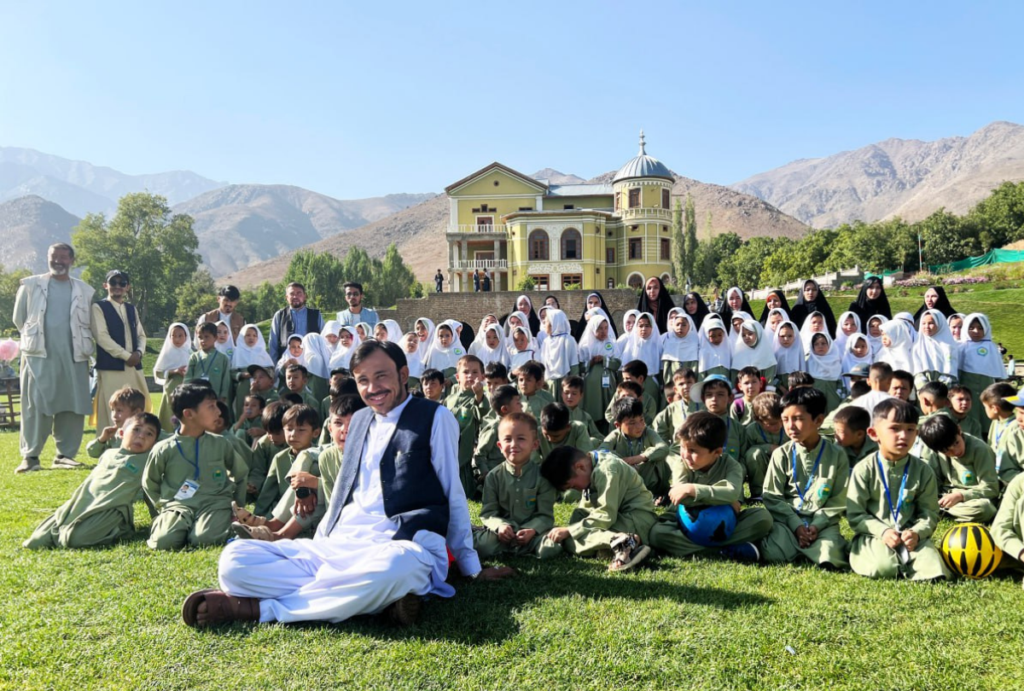
Knowledge as Sadaqah Jariyah: Why supporting education is a lasting legacy
Every believer hopes to leave behind a legacy that continues to earn the pleasure of Allah (swt). While many acts of charity…
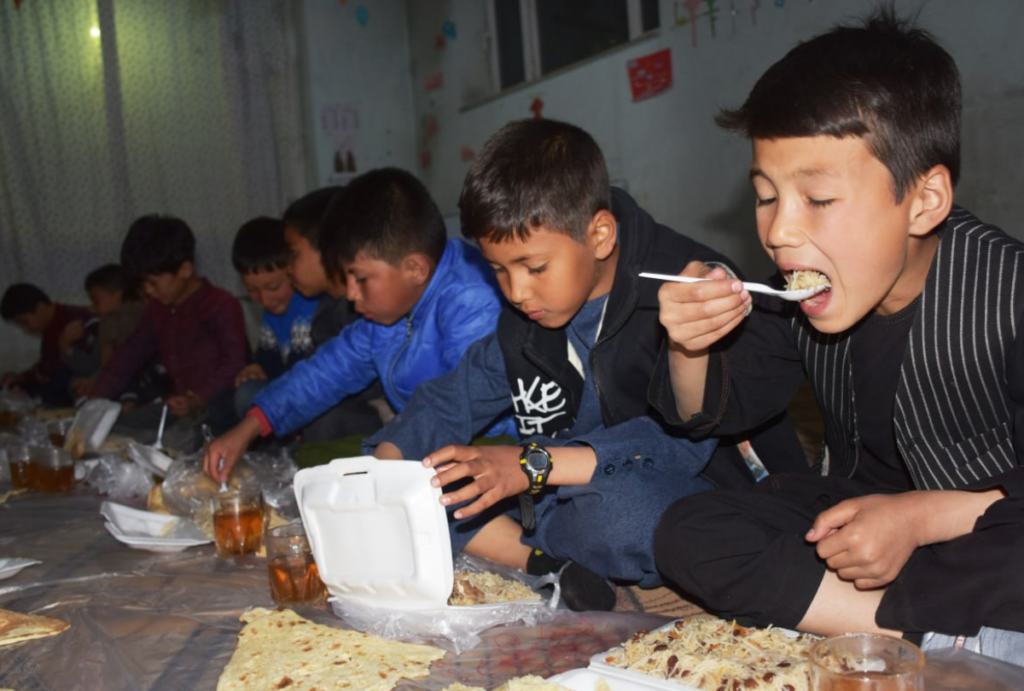
Why school meals matter more than you think
For many children, school represents more than a classroom. It is a place of safety, opportunity, and hope. For millions of children…
5 Quran Verses About Knowledge and What They Teach Us
Knowledge is one of the greatest blessings Allah (swt) has given humanity. Through knowledge, we strengthen our faith, deepen our understanding of…