The first ten days of Dhul Hijjah: Why they matter more than we think
What if ten ordinary days could change your entire year?
The first ten days of Dhul Hijjah aren’t just dates on a calendar. They’re days Allah (swt) swears by in the Qur’an:
“By the dawn, and by the ten nights…”
Surah Al-Fajr, Ayah 1-2
That oath alone tells us something powerful is happening here.
For Muslims in America, these days are more than ritual. They’re about sacrifice, leadership, and service – values deeply connected to our faith and community work.
The legacy of sacrifice
Dhul Hijjah reminds us of Prophet Ibrahim (as) and his willingness to give up what he loved most for Allah’s (swt) sake. That sacrifice wasn’t about loss – it was about trust.
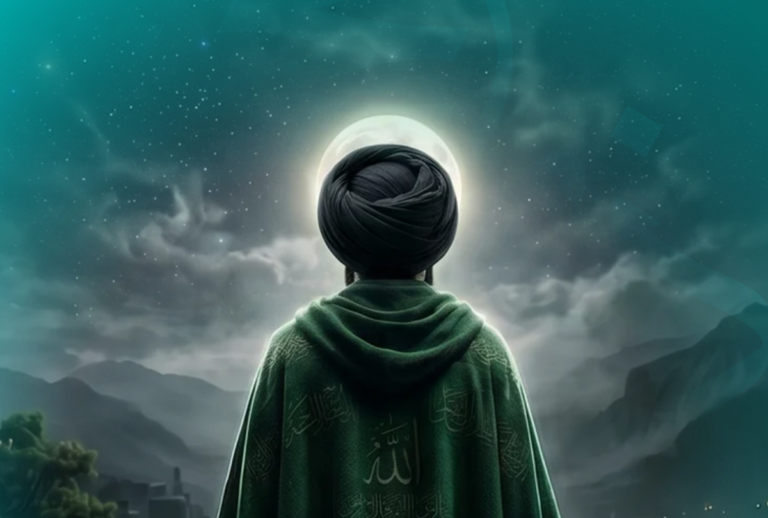
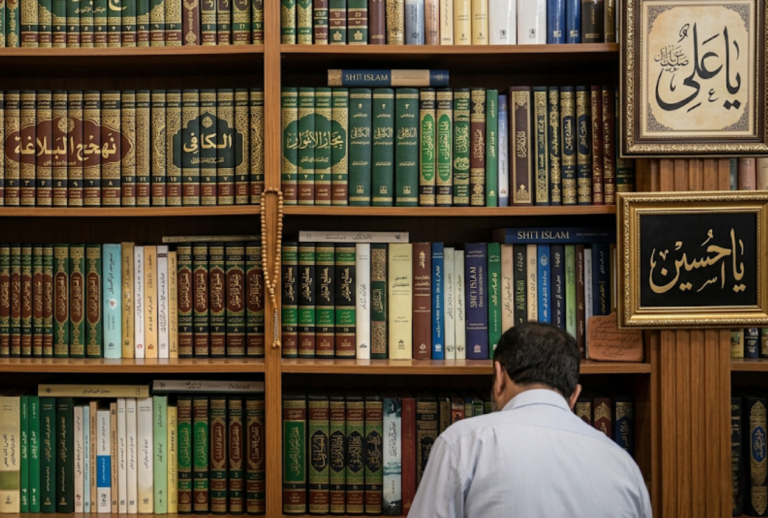
It also holds Eid al-Ghadeer, when the Prophet (saww) declared Imam Ali (as) as his successor. For Muslims, this is a defining moment of leadership and loyalty.
Sacrifice and leadership go hand in hand. We’re called not just to believe, but to act.
Faith in action
Across the world, families face housing insecurity, food shortages, and rising costs. Many immigrant and underserved communities struggle quietly.
The spirit of Dhul Hijjah asks us: What are we willing to give up so others can thrive?
Maybe it’s a luxury. Maybe it’s time. Maybe it’s comfort.
When we channel our worship into service, we follow the example of the Ahlulbayt (as). True devotion shows up in how we care for people.
Why these days multiply reward
The Prophet (saww) taught that good deeds during these ten days are more beloved to Allah (swt) than at other times.
That means your sadaqah, your du’a, your fasting – they carry multiplied weight. It’s like a spiritual bonus season.
And in a fast-paced world, these ten days slow us down and refocus our priorities.
A call to conscious giving
Dhul Hijjah is about intentional sacrifice. Giving not from leftovers – but from love.
These days are a gift. Let’s not waste them.
FAQs
They are among the most sacred days in Islam, mentioned in the Qur’an and connected to major events like the sacrifice of Prophet Ibrahim.
Yes, Eid al-Ghadeer falls on 18th Dhul Hijjah and commemorates Imam Ali’s (as) leadership.
Absolutely. Good deeds, including charity, carry multiplied rewards.
Yes, fasting—especially on the Day of Arafah—is highly recommended.
By supporting vulnerable communities through donations, volunteering, and local outreach programs.