Books to read as a Shia Muslim: Five Insightful recommendations
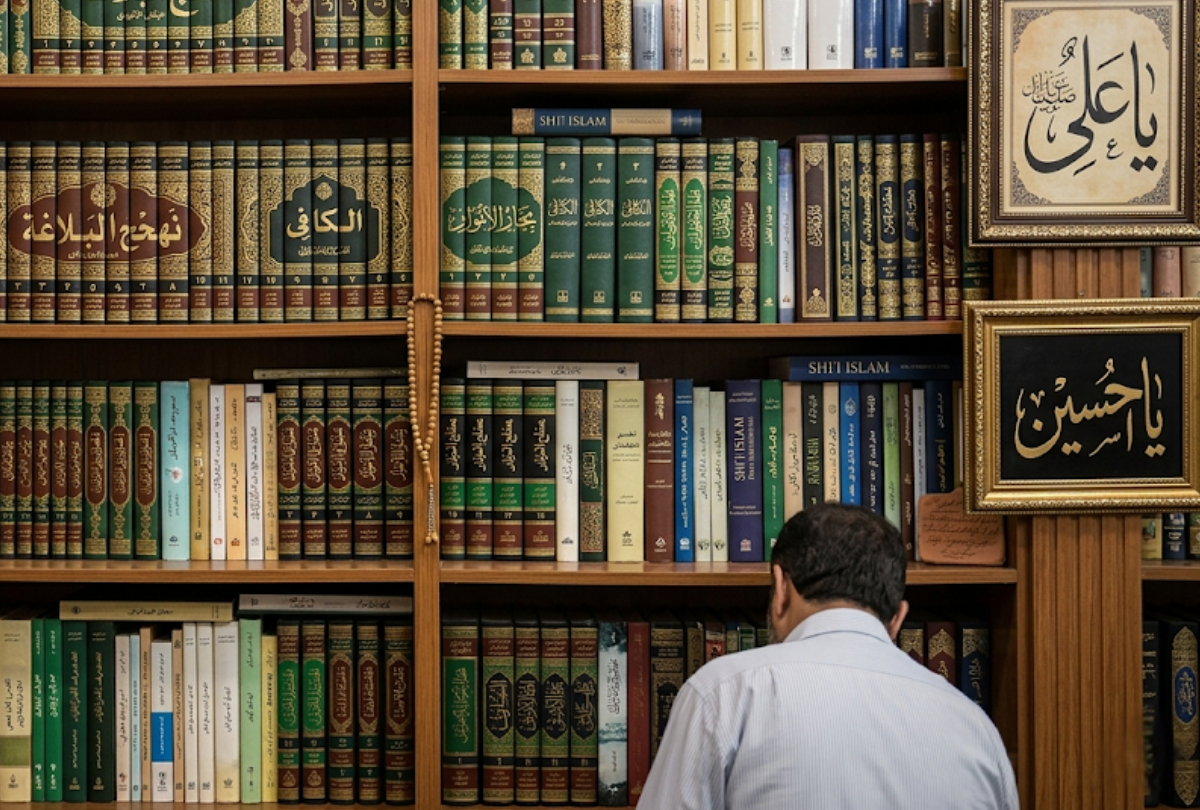
Reading has long held an important place in Islamic scholarship and spiritual growth.
For Shia Muslims, books can provide deeper insight into the Quran, the teachings of the Ahlulbayt (as), Islamic history, and important theological discussions.
Whether studying classical texts or contemporary works, meaningful reading can strengthen understanding and reflection.
Imam Ali (as) is reported to have said:
“Books are the gardens of scholars.”
Ghurar al-Hikam, h.8610
Below are five insightful recommendations for Shia Muslims seeking thoughtful and impactful reading.
The Quran: An Explanatory Translation
“The Quran: An Explanatory Translation” by Sayyid Muhammad Rizvi presents a fluent English translation alongside explanatory notes and contextual commentary.
The book is especially useful for readers who want to engage with the Quran in a more thoughtful and accessible way without constantly relying on separate tafsir works.
The parallel Arabic and English text, organized topic headings, and detailed indexes make it suitable for both independent study and structured learning.
Rather than functioning as a simple translation alone, the book helps readers better understand the themes and background of different verses.
As the Quran states:
“We send down (the revelation of) the Quran, which is a (spiritual) healing and a mercy for the believers, and it adds nothing to the unjust but loss.”
Surah Al-Isra, Ayah 82
This work is particularly valuable for readers hoping to strengthen their connection with the Quran through both language and context.
Sunan an-Nabi
“Sunan an-Nabi” by Allamah Tabataba’I (ra) gathers narrations describing the conduct and practices of Prophet Muhammad (saww) from Shia sources.
The book explores worship, personal habits, relationships, ethics, and daily routines, presenting the Prophet (saww) as a complete example of spiritual and moral excellence.
One of the book’s greatest strengths is its focus on practical character and humility.
Instead of discussing abstract ideas alone, it demonstrates how Prophet Muhammad (saww) approached everyday life with sincerity, patience, and compassion.
For Shia Muslims interested in akhlaq and Prophetic conduct, this book offers a meaningful reading experience grounded in narration and tradition.
Kitab al-Irshad
“Kitab al-Irshad” by Shaykh al-Mufid (ra) is one of the most significant historical works in Twelver Shiism.
It presents detailed biographies of the Twelve Imams (as), discussing their virtues, leadership, knowledge, and the circumstances surrounding their lives and martyrdoms.
The work remains important because of its early authorship and comprehensive treatment of the Imams (as).
Readers are introduced to key moments in Shia history while also developing a deeper appreciation for the role of Imamate within Islamic thought.
Although historical in focus, the book also carries a strong spiritual dimension.
The lives of the Imams (as) encourage reflection on patience, justice, sacrifice, and devotion to Allah (swt).
For readers seeking a foundational Shia historical text, “Kitab al-Irshad” continues to hold lasting importance.
Kitab al-Ghayba
“Kitab al-Ghayba” by Shaykh al-Nu’mani (ra) is a major Shia work centered on the occultation (ghayba) of Imam Mahdi (ajtfs).
Written during a period of uncertainty and skepticism, the book addresses theological questions surrounding the Imam’s (ajtfs) occultation through hadith, reasoned discussion, and historical examples.
The text explores themes such as perseverance, faith during difficult times, and the importance of remaining steadfast while awaiting the reappearance of Imam Mahdi (ajtfs).
It also includes narrations concerning the signs of reappearance and experiences of earlier communities.
While the subject matter is more advanced, the book provides valuable insight into one of the central beliefs of Twelver Shiism.
Readers interested in Shia theology and eschatology will find it especially thought-provoking.
Then I Was Guided
“Then I Was Guided” by Sayyid Muhammad al-Tijani al-Samawi (ra) is a widely recognized contemporary work that documents the author’s journey from Sunni Islam to Shiism.
Through personal experiences, historical research, and examination of hadith literature, the author explains the questions that led him toward the Shia school of thought.
One reason the book remains influential is its accessible and conversational writing style.
Complex theological discussions are presented in a direct and personal way, making the material easier for many readers to follow.
The book also encourages readers to approach Islamic history and differing interpretations with sincerity and reflection.
Whether readers agree with every conclusion or not, it remains an impactful contribution to modern discussions surrounding Shia Islam and identity.
Final reflections
Books can play an important role in deepening understanding, encouraging reflection, and strengthening spiritual awareness.
These five works each approach Shia Islam from a different perspective, including Quranic study, Prophetic character, Islamic history, theology, and personal experience.
For readers seeking thoughtful and impactful Islamic reading, these books remain valuable additions to any collection.
Frequently Asked Questions
The book is generally approachable because of its personal and conversational style. However, readers should understand that it reflects one individual’s experiences and conclusions while continuing broader study and research.
“Kitab al-Irshad” by Shaykh al-Mufid (ra) is one of the best-known Shia works discussing the lives, virtues, and leadership of the Twelve Imams (as).
“Kitab al-Ghayba” explores the occultation of Imam Mahdi (ajtfs), addressing theological questions, doubts, and narrations connected to his reappearance and the concept of ghayba.
The Quran remains central to Islamic belief and practice. Studying its meanings and context can help believers strengthen faith, understanding, and spiritual connection to Allah (swt).
“Sunan an-Nabi” focuses on the character, worship, conduct, and daily practices of Prophet Muhammad (saww), offering practical lessons rooted in narration and tradition.