
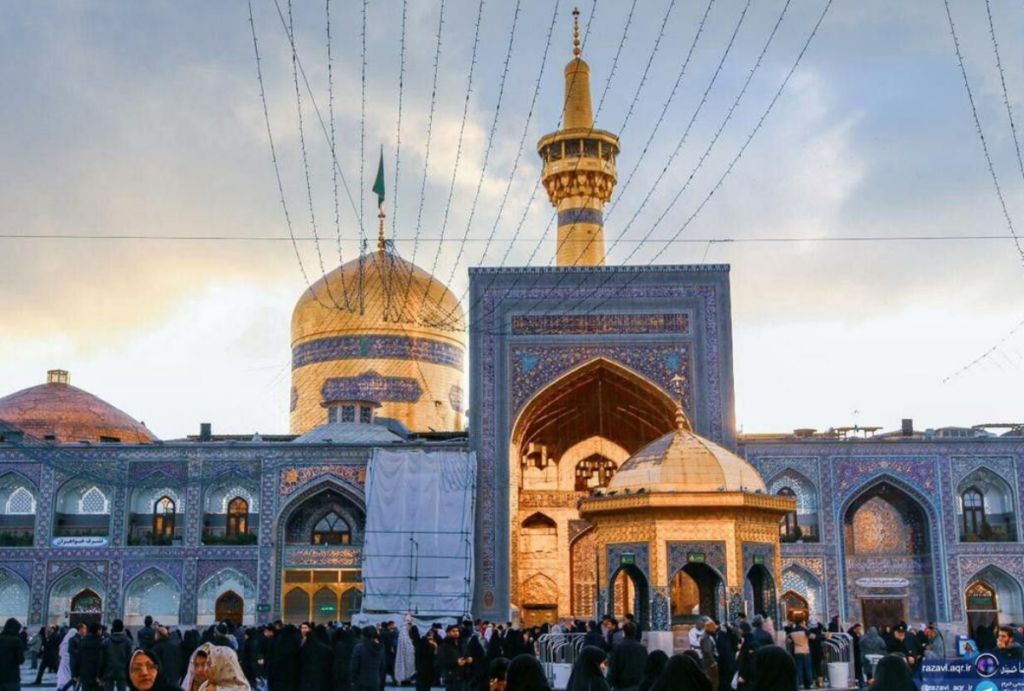
The life of Imam Ali al-Ridha (as) stands as a remarkable example of knowledge, devotion, and steadfast faith.
As the eighth Imam from the Ahlulbayt (as), his life reflects the spiritual and moral excellence associated with them.
Allah (swt) says in the Quran:
“Verily Allah (swt) only desires to keep away the abomination from you, O the People of the House (as), and to purify you a thorough purification.”
Surah Al-Ahzab, Ayah 33
This blessed verse is often understood as affirming the purity and elevated station of the Ahlulbayt (as), among whom Imam al-Ridha (as) holds a distinguished place.
His journey from Madina to Khorasan, his teachings, and his sacrifice continue to inspire the global community.
Early life and family
Imam al-Ridha (as) was born in Madina on the 11th of Dhul-Qadah in 148 AH.
He is the son of Imam Musa al-Kadhim (as), the seventh Imam, and Lady Najmah Khatun, remembered in Islamic tradition for her piety and noble character.
Raised in a noble household, Imam al-Ridha (as) was nurtured in knowledge and spiritual discipline from a young age.
After the martyrdom of Imam Musa al-Kadhim (as) in 183 AH, he assumed the role of Imam.
Imamate under abbasid rule
The Imamate of Imam al-Ridha (as) unfolded during a period of Abbasid tension and political control.
Under rulers such as Harun al-Rashid and later Al-Ma’mun, the Imams faced constant pressure, yet Imam al-Ridha (as) continued guiding believers through scholarship and moral leadership.
He became widely recognized for answering theological questions, engaging scholars of different traditions, and preserving the teachings of the Prophet (saww) and Ahlulbayt (as).
His calm wisdom under pressure reflected the spiritual purity associated with verse 33 of Surah al-Ahzab, while his growing influence made him deeply respected across the Muslim world.
Journey to Khorasan
One of the most significant chapters in the life of Imam al-Ridha (as) was his forced journey from Madina to Khorasan.
Before leaving, reports describe the Imam visiting the grave of the Prophet (saww) in farewell.
Along the route, his stop in Nishapur became a defining moment in Islamic history.
There, scholars gathered around him to request a narration, leading to the famous Hadith Silsilat al-Dhahab.
The journey revealed that even under coercion, the Imam’s (as)spiritual authority could not be diminished.
Hadith Silsilat al-Dhahab
During his passage through Nishapur, Imam al-Ridha (as) narrated the celebrated Hadith Silsilat al-Dhahab, preserved in Uyun Akhbar al-Ridha:
“I have heard my father – that competent servant of God – Musa ibn Jafar (as) saying that he heard from his father Jafar ibn Muhammad al-Sadiq (as) saying that he heard his father Muhammad ibn Ali (as) saying that he heard from his father Ali ibn Hussain (as) saying that he heard from his father Hussain ibn Ali (as) saying that he heard from his father Ali ibn Abi Talib (as) saying that he heard from the Holy Prophet (saww) saying that he heard from Jibrail (as) saying that Allah (saww) told him: ‘I am God. There is no god but Me. Worship Me then. The phrase La ilaha illa Allah is My fortress, whoever sincerely utters it, may enter My fortress, and whoever enters My fortress shall be secure from My punishment’. When they moved on, Imam al-Ridha (as) said out loud: ‘There are certain conditions to this (the entrance to the fortress) and I am one of its conditions.”
Uyun Akhbar al-Ridha, v.2
This narration is called the Golden Chain because every narrator belongs to the pure lineage of the Prophet (saww).
Its message joins tawhid with recognition of divinely guided leadership.
For this reason, it remains among the most profound narrations associated with Imam al-Ridha (as).
Life in Marv and martyrdom
Despite living under scrutiny, the Imam (as) continued teaching and engaging in discussions that displayed his unmatched knowledge and spiritual authority.
His shahadat is widely commemorated on the 29th of Safar, 203 AH, though some reports mention the 17th of Safar.
In Shia tradition, he is believed to have been poisoned in Tus.
His burial place later became Mashhad, a city whose identity grew around his sacred shrine and enduring legacy.
Final reflections
The life of Imam al-Ridha (as) reflects scholarship, patience, and unwavering devotion to truth.
From the meaning of verse 33 of Surah al-Ahzab, to the message of Hadith Silsilat al-Dhahab, his legacy continues to guide hearts and minds.
His life remains a powerful example of faith lived with dignity.
Frequently Asked Questions
Imam al-Ridha (as) was the eighth Imam in Shia Islam, renowned for his scholarship, piety, and leadership during a challenging period under Abbasid rule.
Al-Ma’mun brought Imam al-Ridha (as) to Khorasan largely for political reasons, seeking to contain the Imam’s influence while drawing legitimacy from his presence.
It is a famous narration delivered by Imam al-Ridha (as) in Nishapur, known as the Golden Chain because its chain of transmitters consists of the Prophet (saww) and the Imams from the Ahlulbayt (as).
According to Shia tradition, Imam al-Ridha (as) attained shahadat through poisoning in 203 AH. His martyrdom is commonly commemorated on the 29th of Safar, though some narrations mention 17th of Safar.
Mashhad is the resting place of Imam al-Ridha (as) and remains one of the most significant centers of pilgrimage, devotion, and religious learning.
More from Blog
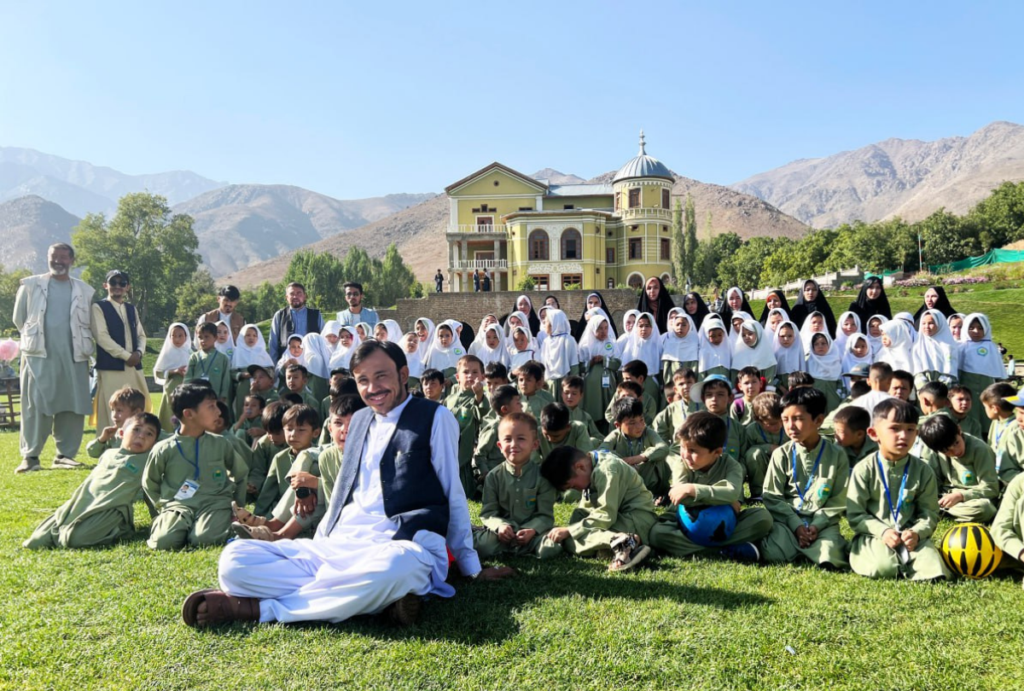
Knowledge as Sadaqah Jariyah: Why supporting education is a lasting legacy
Every believer hopes to leave behind a legacy that continues to earn the pleasure of Allah (swt). While many acts of charity…

Why school meals matter more than you think
For many children, school represents more than a classroom. It is a place of safety, opportunity, and hope. For millions of children…
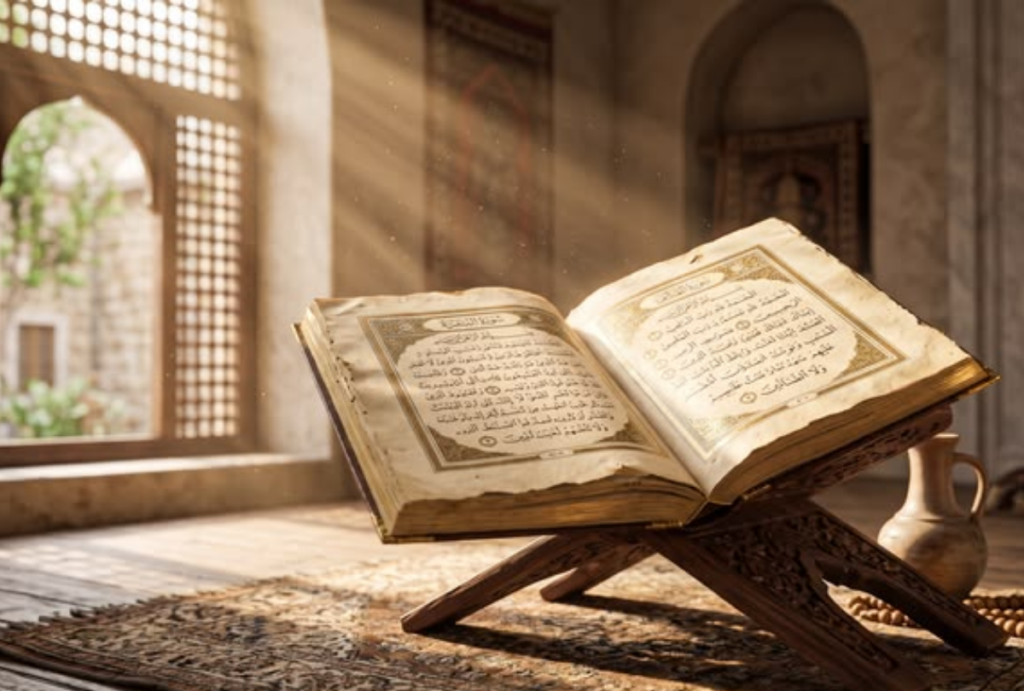
5 Quran Verses About Knowledge and What They Teach Us
Knowledge is one of the greatest blessings Allah (swt) has given humanity. Through knowledge, we strengthen our faith, deepen our understanding of…