Why is Jummah (Friday) important in Islam?
Friday, known as Jummah or Jumuah, is a deeply meaningful day in Islam.
It is not just the end of the week.
It is a built-in opportunity to slow down, refocus, and reconnect with Allah (swt).
For Muslims across the global community, Jummah serves as a weekly moment of reflection, worship, and renewal.
The Quran highlights its importance in a clear and direct way
“O you who believe! When the call is made for the prayer on the day of Friday, then hasten to the remembrance of Allah (swt) and leave off trading (and all other activities – that is better for you if) you know (the importance of this commandment).”
Surah Al-Jumu’ah, Ayah 9
This verse reminds believers that Jummah is not just another day.
It is a time to step away from daily distractions and turn toward what truly matters.
Why Jummah matters
Jummah holds a unique status in Islam as the most significant day of the week.
It is filled with blessings and offers repeated opportunities for spiritual growth.
The Prophet (saww) is reported to have said:
“Friday is the chief of all days and deemed greater by Allah, the Exalted, than the day of al-Adha and the day of al-Fitr.”
Bihar al-Anwar, v.89, p.267, n.5
This teaching shows that Jummah carries a level of importance even greater than major celebrations.
It is a weekly chance for mercy, forgiveness, and guidance.
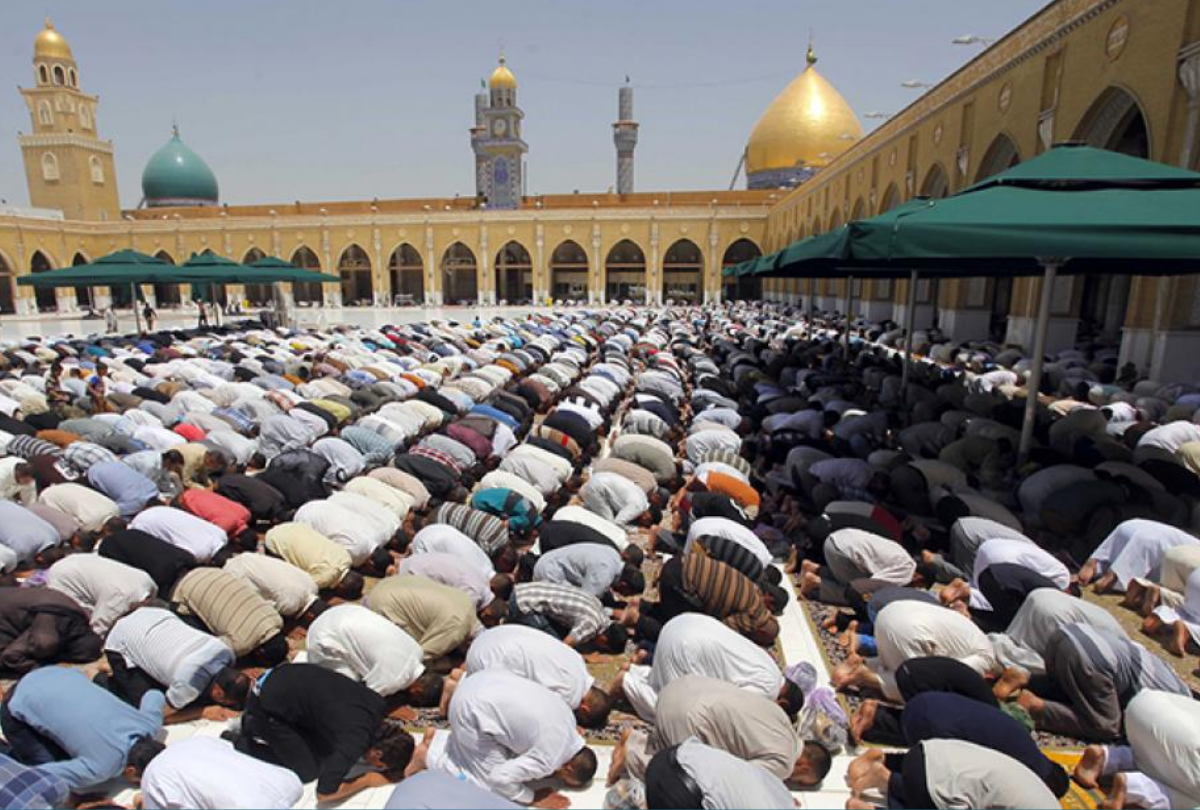
From a Shia perspective, Friday prayer is also a powerful communal practice.
It brings people together, strengthens unity, and allows important messages to be shared through the sermon.
Even with this flexibility, the value of attending remains high.
Jummah acts as a weekly reset, helping believers pause, reflect, and return to their purpose with clarity.
Making the most of Jummah: Key recommended acts
Jummah is full of opportunities to draw closer to Allah (swt).
Simple, sincere actions can carry great weight on this day.
Purification and preparation
Preparing for Jummah starts with cleanliness and intention.
Performing a full ritual bath is strongly recommended and reflects respect for the importance of the day.
The Prophet (saww) is reported to have said:
“O Ali! People must bathe (at least) once every seven days, so bathe every Friday, even if you have to buy the water with (the money set aside for) your provision of that day and go without food, for there is no recommended act of worship greater than it.”
Bihar al-Anwar, v.81, p.129, n.18
This preparation helps set the tone for a meaningful day of worship.
Worship and remembrance
Friday is meant to be filled with remembrance of Allah (swt).
It is a day to increase acts of worship and strengthen one’s connection to faith.
The Prophet (saww)is reported to have said:
“Fridays are days of worship. Thus, worship the Honourable the Exalted God.”
Al-Khisal, h.60
Recommended practices include reciting Surah al-Kahf, sending blessings upon the Ahlulbayt (as), and reciting supplications like Dua Simaat.
These acts bring peace and purpose to the day.
Community and charity
Jummah highlights the importance of caring for others and staying connected as a community.
Giving charity on this day is especially rewarding.
Imam al-Baqir (as) is reported to have said:
“The charity given on Friday is considered double, because of the superiority of Friday over other days.”
Thawab al-A’amal, p.220, n.1
Attending Friday prayer also plays a central role.
It strengthens unity and creates a shared space for guidance and reflection.
The Prophet (saww) is reported to have said:
“The Friday prayer is the pilgrimage (Hajj) of the poor.”
Al-Da’aawat, p.37, n.91
These acts help build both spiritual strength and social connection.
Family and joy
Jummah is not only about personal worship.
It is also about bringing happiness into the home.
Simple actions can make the day feel special for loved ones.
Imam Ali (as) is reported to have said:
“Treat your families to some fruits every Friday, so that they rejoice on Fridays.”
Bihar al-Anwar, v.104, p.73, n.24
This reminds us that faith should be experienced in everyday life, especially within the family.
Jummah and the connection to Imam Mahdi (ajtfs)
Jummah carries a deeper meaning through its connection to Imam Mahdi (ajtfs).
It is a day linked with hope, reflection, and the anticipation of his reappearance.
Believers are encouraged to recite Dua Nudba on Fridays, which expresses longing for the Imam (ajtfs) and a desire to support his mission.
Reciting the ziyarat of the Imam (as) for Friday can also strengthen this connection.
Remembering Imam Mahdi (ajtfs) transforms Jummah into more than a weekly routine.
It becomes a reminder to live with purpose, justice, and readiness for a better future.
Final reflections
Jummah is a weekly opportunity to pause and reconnect with what truly matters.
Through worship, charity, family, and reflection, it brings balance and purpose to everyday life.
By also remembering Imam Mahdi (ajtfs), believers are reminded to live with hope and intention.
Each Friday offers a fresh chance to grow closer to Allah (swt) and prepare for a better future.
Frequently Asked Questions
During the occultation, many scholars explain that it is a choice between Friday prayer and Dhuhr prayer when conditions are met. Even so, attending Friday prayer is highly encouraged.
Teachings describe it as the greatest day of the week, even greater than major celebrations, due to its blessings and spiritual importance.
Important acts include performing the ritual bath, attending prayer, giving charity, reading the Quran, and increasing remembrance of Allah (swt).
Yes, there are traditions that mention a period on Friday when prayers are more likely to be accepted.
Friday is associated with remembering and awaiting him, especially through supplications like Dua Nudba.
Yes, engaging in worship, charity, and remembrance can still make the day spiritually rewarding.