Why the 27th of Rajab Matters: Understanding the Day the Prophet’s (saww) Mission Began
Some moments in history do not create truth, they reveal it.
The 27th of Rajab, known as the Day of Mab‘ath (Eid al-Mab‘ath), marks the day when Prophet Muhammad (saww) was commanded to publicly proclaim the divine mission with which he had always been entrusted.
The Prophet (saww) was divinely chosen, protected, and guided throughout his entire life.
Eid al-Mab‘ath does not signify the beginning of his divine purpose, but rather the moment that purpose was made known to humanity.
It was the formal commencement of his public mission when revelation emerged from concealment, and the call to guidance began openly.
On the Day of Mab‘ath, Allah (swt) instructed His Prophet (saww) to recite the first revealed verses, inaugurating a new chapter in human history:
“Read (these Quranic verses) in the name of your Lord who created (the universe). He (specifically) created the human being from a blood clot (and gradually made him into a full person with the ability to understand and speak). Read (these verses) and your Lord is (indeed) the most generous (who blesses without asking; His greatest blessing is the ability to acquire knowledge). He is the one who taught by ‘the pen.’ He taught the human being what he did not know.”
Surah Al-Alaq, Verses 1-5
These words called humanity toward knowledge, reflection, and conscious submission to Allah (swt).
A World That Easily Forgets Sacred Days
In a world driven by urgency and distraction, sacred days can quietly pass unnoticed.
Their deeper meaning risks being lost beneath routines and responsibilities.
Yet Eid al-Mab‘ath calls believers to pause and remember why faith exists, not as formality, but as moral responsibility.
Allah (swt) describes the very nature of the Prophet’s (saww) mission:
“We have not sent you, (O Muḥammad,) but as a mercy for the universe.”
Surah Anbiya, Verse 107
This mercy reshaped societies built on injustice and ignorance.
It restored dignity to the marginalized, challenged oppression, and anchored humanity to divine ethics.
Remembering the Day of Mab‘ath reconnects believers to that mission: to live truthfully, serve others, and become conduits of mercy in a broken world.
Honor This Day of Mercy Through Action
The significance of Eid al-Mab‘ath is not meant to remain theoretical; it is meant to be embodied.
Imam Ali (as) described the moment revelation was publicly proclaimed:
“I heard the moan of Shaitan when the revelation descended on him (saww). I said, ‘O Prophet of Allah (saww), what is this moan?’ and he (saww) replied, ‘This is Shaitan who has lost all hope of being worshipped. O Ali (as), you see all that I see and you hear all that I hear, except that you are not a Prophet, but you are a vicegerent and you are surely on the path of virtue.’”
Nahjul Balagha, Sermon 192
With revelation came the collapse of falsehood’s authority.
Humanity was offered a path of return through faith, ethical conduct, and conscious service.
Honoring this day means responding with intention: worship, generosity, and action rooted in gratitude.
Living the Prophet’s (saww) Mission Today
Prophet Muhammad (saww) clearly defined the heart of his mission:
“Verily I was deputed to perfect noble moral traits.”
Kanz al-Ummal, n.5217
Eid al-Mab‘ath reminds believers that faith is not measured by words alone, but by character.
Mercy, honesty, patience, and generosity are the hallmarks of the prophetic path.
Imam Ali (as) further emphasized this responsibility:
“Be pleased with Muhammad (saww) as your guide (and role model) and as the one who will lead you to salvation.”
Ghurar al-Hikam, n.2447
Marking this sacred day through prayer, fasting, remembrance, and charitable giving allows believers to realign their lives with the guidance of the Prophet (saww) and renew their commitment to his mission.
The Zahra Trust Movement: Mercy in Practice
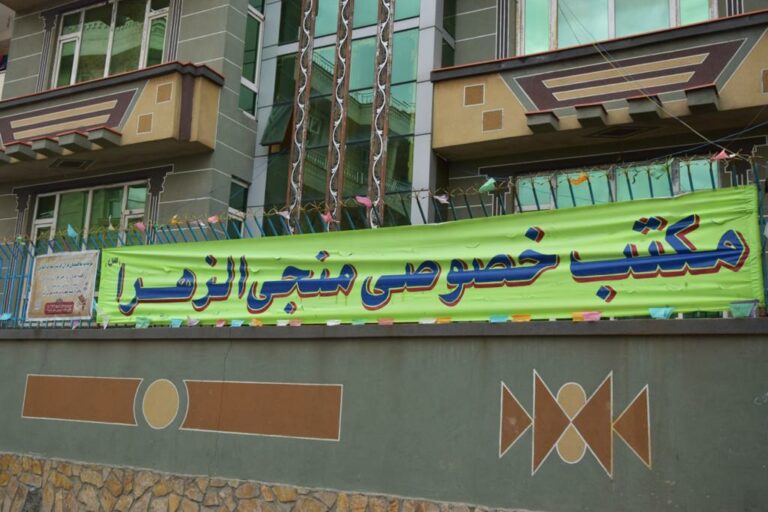
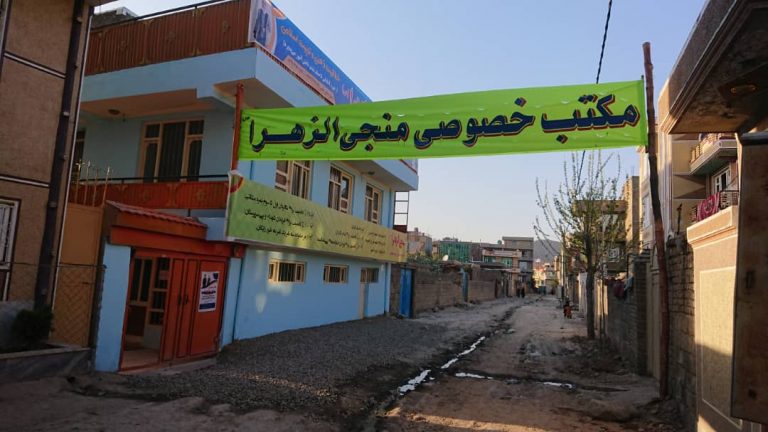
At The Zahra Trust, the values embodied on Eid al-Mab‘ath are translated into action every day.
Through emergency relief, education programs, orphan sponsorship, and sustainable development, The Zahra Trust Movement works to extend mercy and dignity to vulnerable communities worldwide.
By giving consistently, donors ensure that compassion is not limited to moments of crisis, but becomes a continuous source of hope and support.
This enduring commitment reflects the very spirit of the Prophet’s (saww) mission, mercy that uplifts, restores, and lasts.
How to Mark the 27th of Rajab
Eid al-Mab‘ath offers an opportunity to spend the day with awareness and gratitude.
- Engage in additional prayer and remembrance
- Fast as an act of devotion
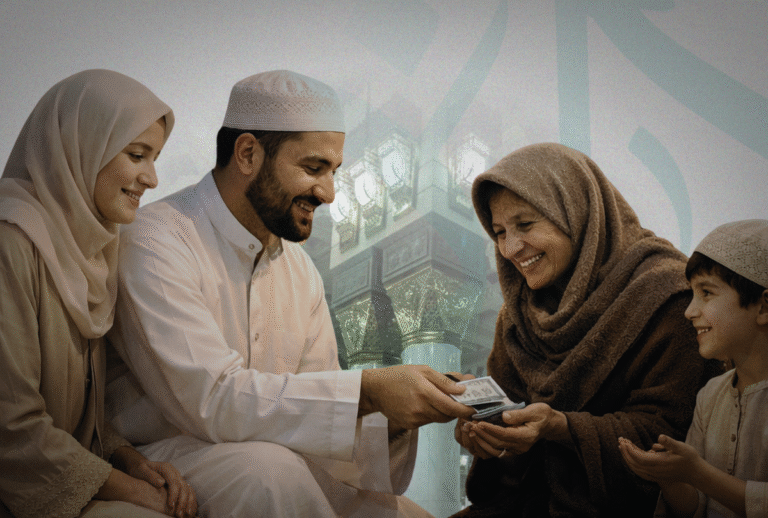
- Give charity in appreciation of divine guidance
- Reflect on personal character and service to others
Even the smallest sincere act becomes part of the legacy that began on this sacred day.
Honor the Prophet’s (saww) Mission
Give in gratitude. Live with purpose. Let your mercy reflect his.
By supporting Footsteps of Zahra (sa), you help sustain mercy every day, ensuring the mission publicly proclaimed on the Day of Mab‘ath continues to change lives.
FAQ
It marks the Day of Mab‘ath, when Prophet Muhammad (saww) was commanded to publicly declare his divine mission and begin guiding humanity openly.
By engaging in worship, fasting, reflection, remembrance, and charitable acts that honor the Prophet’s (saww) mission.
Yes. Acts of generosity on sacred days carry deep spiritual significance and reflect gratitude for divine guidance.
It reminds believers that faith is lived through moral excellence, compassion, and responsibility toward others.
By embodying ethical conduct, serving those in need, and striving to reflect mercy in everyday actions.
Through ongoing humanitarian and development efforts that transform generosity into meaningful, lasting impact.