Khums Made Simple: What It Is, Who Pays It, and Why It Matters
Khums is a concept many Muslims are familiar with by name, yet unsure about in practice.
Some wonder whether khums applies to them personally, while others are unclear about its purpose or how it fits into everyday life.
When understanding is missing, fulfilling this obligation can feel uncertain or delayed.
This guide is here to help.
Khums is a system established by Allah (swt) to purify wealth, uphold justice, and strengthen the global community.
By the end of this article, khums should feel clearer, more accessible, and more meaningful.
What is Khums?
Khums, one of the branches of religion, is a wajib financial obligation in Islam.
The word “khums” means one-fifth.
In practical terms, khums refers to 20 percent of surplus wealth that remains after a person has taken care of their necessary living expenses over the course of a year.
This surplus may include leftover income, savings, or profits that were not required for essentials such as housing, food, healthcare, or daily needs.
Khums does not apply to what you depend on to live. It applies only to what remains unused.
The obligation of khums is clearly stated in the Quran.
Allah (swt) says:
“Know that whatever of a thing you acquire (as wealth), a fifth (khumus) of it is for Allah (swt), for the Messenger (saww), for the near relative (i.e., the Imam from the Prophet’s progeny), the orphans, the needy and the stranded traveller (from the Prophet’s progeny).”
Surah Anfal, Verse 41
This verse highlights that khums is directly tied to faith, accountability, and care for others.
Imam Al-Baqir (as) further clarified this verse when he said:
“It (verse 41 from Surah al-Anfal) refers to the relatives of the Messenger of Allah (saww). Al-Khums (one fifth) belongs to Allah (saww), the Messenger (saww) and to us.”
Al-Kafi, v.1
Together, the Quranic verse and the hadith explain both the authority and the purpose behind khums in Islam.
More Than a Payment, A Path to Purification
Khums is not simply about transferring money. It is an act of worship that shapes a believer’s relationship with wealth.
By giving khums, a person acknowledges that provision comes from Allah (swt) and that wealth carries responsibility.
This act helps prevent attachment to excess and encourages gratitude, discipline, and social awareness.
Khums allows believers to take part in sustaining faith-based education, leadership, and care for those facing hardship within the global community.
Who Pays Khums?
Khums is not limited to scholars or high earners.
Who pays khums depends on surplus wealth, not income level or profession.
If, at the end of your khums year, you have wealth left over after covering necessary expenses, then khums is due on that surplus.
If nothing remains, there is no khums obligation for that year.
This ensures that khums is fair and applied according to individual circumstances.
What is Khums Required Upon?
According to Ayatollah Sistani (ha), khums is required on seven categories of wealth:
- Surplus income from earnings and gains, including unused items
- Mined products and minerals
- Treasures
- Halal wealth mixed with haram wealth
- Precious stones obtained from the sea through diving
- Spoils of war
- Land that a dhimm purchases from a Muslim
A dhimm refers to a person from the People of the Book who has entered into an agreement granting them protected status within an Islamic society.
For most people living today, khums commonly applies to surplus income and savings.
How Khums Works and How It Is Divided
Khums is divided into two equal portions, each serving a specific role: Sehme Imam and Sehme Sadaat.
Together, these two portions show how khums sustains both religious leadership and vulnerable members of society in a balanced and principled way.
Sehme Imam
The first portion is Sehme Imam, the share of Imam Mahdi (ajtfs).
During the Imam’s occultation, this portion is administered under the permission and guidance of qualified religious authorities.
It is used in ways believed to be pleasing to the Imam (ajtfs), including supporting poor and needy believers, responding to emergencies such as natural disasters, spreading the teachings of Islam, and sustaining scholars who dedicate their lives to religious education and guidance.
Sehme Imam also funds religious institutions, seminaries, teachers, and students, helping ensure the continuity of Islamic learning and leadership around the world.
Sehme Sadaat
The second portion is Sehme Sadaat, which is allocated to needy descendants of Prophet Muhammad (saww).
This system ensures support is provided with dignity and respect, while meeting genuine needs.
Together, these two portions reflect the balanced and purposeful design of khums.
How is Khums Calculated?
Khums is calculated once per year based on a khums date chosen by the individual.
This date can follow the Gregorian calendar or the Islamic calendar.
As an example, some people choose January 1 each year, while others select a date such as the first of Muharram.
On your khums date, you review what remains from the past year after essential expenses.
Twenty percent (20%) of that surplus is the khums owed.
If you are unsure how to calculate your khums, you can seek guidance from your marja’s office or a trusted scholar.
You can also use our Khums calculator to determine how much you owe for khums.
How do I Pay Khums?
Khums can be paid in several recognized ways:
- Directly to your marja or their authorized representative
- Through a trusted organization that holds ijaza to collect khums on behalf of your marja
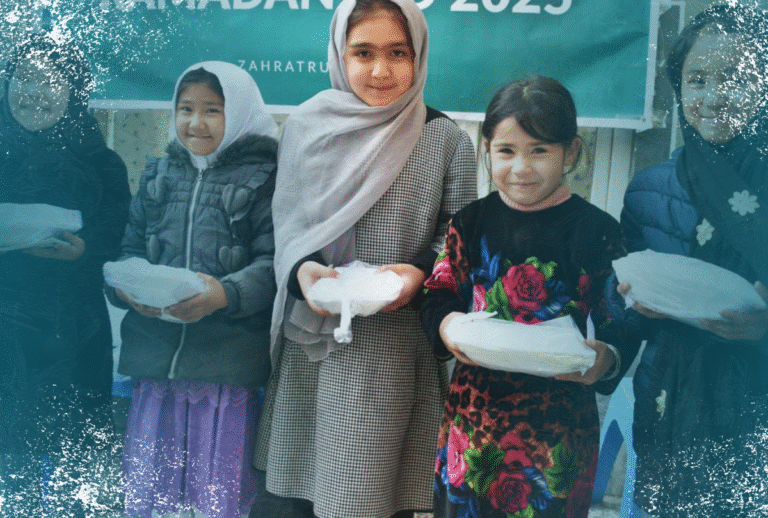
Initiatives connected to The Zahra Trust show how khums supports education, religious leadership, and vulnerable families across the global community.
The Real-World Impact of Khums
When khums is fulfilled with understanding and intention, its impact is far-reaching.
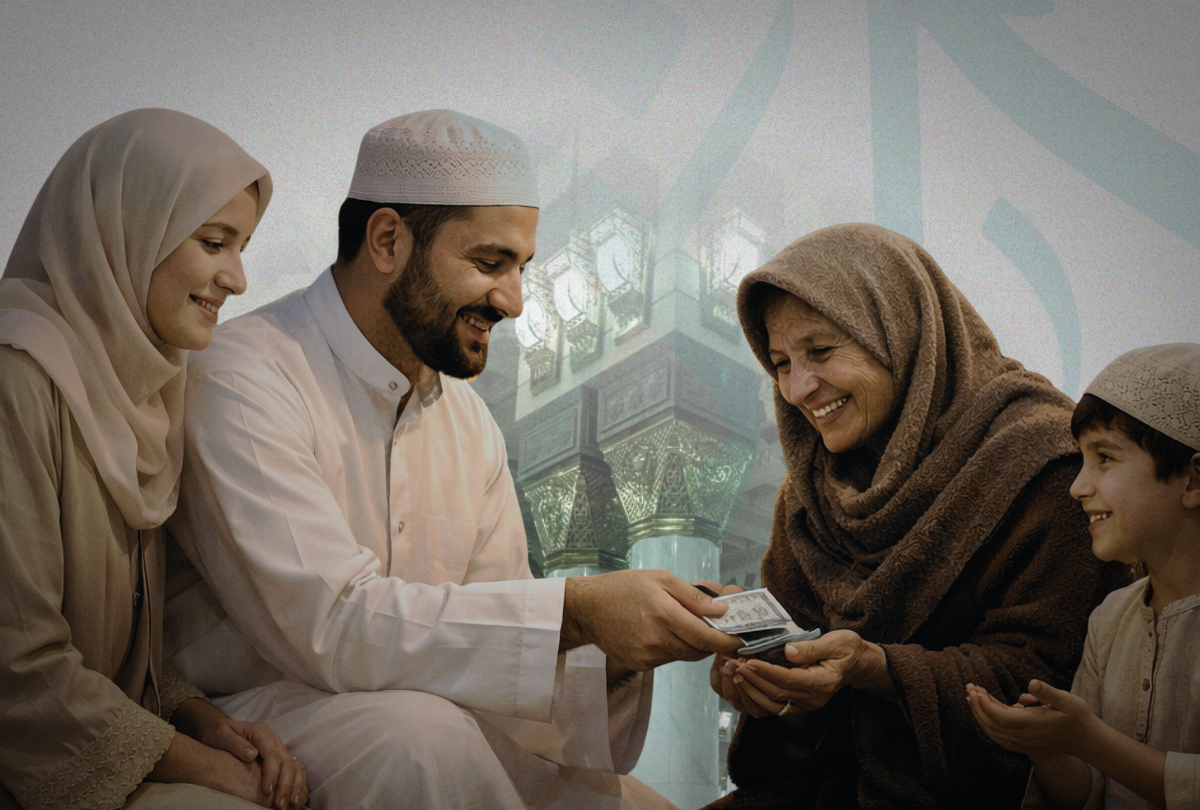
It helps sustain scholars, support institutions of learning, and assist families facing hardship while preserving dignity.
Across many regions, khums quietly strengthens faith, knowledge, and care for those most in need.
FAQ
Khums in Islam is a wajib obligation that requires one-fifth of surplus wealth to be given for specific divinely designated purposes.
Anyone who has surplus wealth remaining at the end of their khums year is required to pay khums.
Khums is calculated once a year on a chosen date by reviewing surplus wealth and giving 20% of that amount.
No. Khums applies based on surplus wealth, not income level.
Khums is divided into two equal parts. One portion, known as Sehme Imam, is used under the guidance of qualified religious authorities to support religious education, scholars, institutions, humanitarian needs, and the propagation of Islam. The other portion, Sehme Sadaat, supports needy descendants of the Prophet (saww) with dignity and care.
You can contact your marja’s office or speak with a trusted scholar for personal guidance. You can also use our calculator to determine your khums.