Serving humanity: A core teaching of the Ahlulbayt (as)
What if true devotion wasn’t only measured in prayer – but in how we treat people?
As Muslims, we hold deep love for the Ahlulbayt (as). We remember their sacrifices and honor their legacy. But their message wasn’t just to be admired. It was to be lived.
Allah (swt) says in the Qur’an:
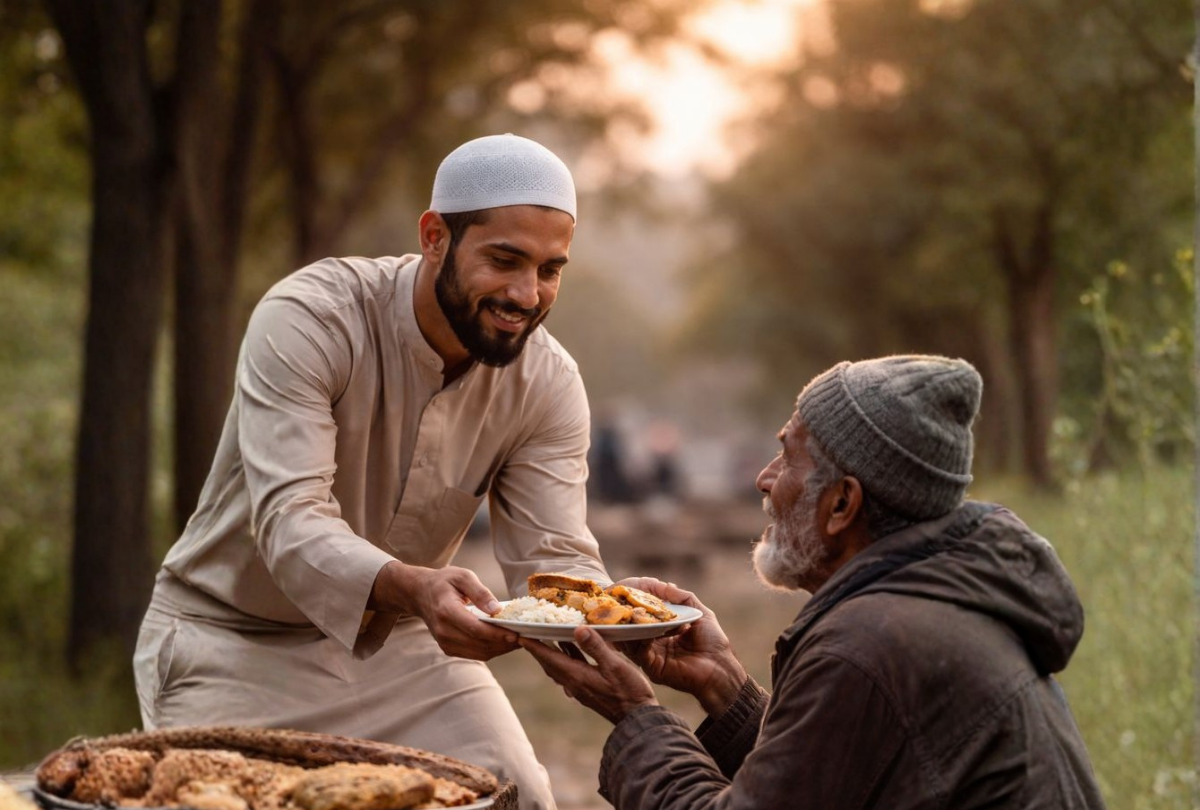
“And they give food, despite their love for it, to the needy, the orphan, and the captive.”
Surah Al-Insaan, Ayah 8
This verse was revealed about Imam Ali (as) and Lady Fatima (sa), who gave away their food even when they were fasting and in need themselves.
Service wasn’t symbolic for them. It was a way of life.
At The Zahra Trust, that same spirit guides every effort to uplift vulnerable communities.
The example of the Ahlulbayt (as)
Imam Ali (as) would personally care for widows and orphans. Imam Hasan (as) shared his wealth generously. Imam Husayn (as) sacrificed everything to preserve justice and dignity.
Their lives show us that faith must translate into action.
Loving the Ahlulbayt (as) means reflecting their mercy in our own lives.
Serving humanity today
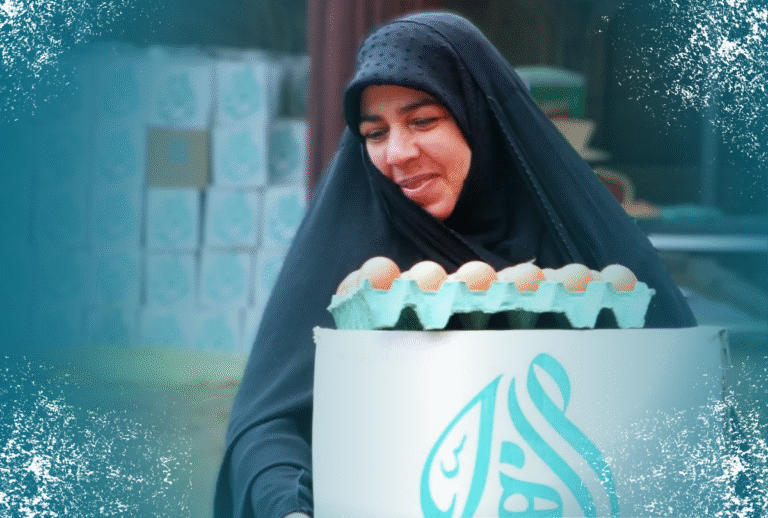
Across the world, many families face financial pressure, housing instability, and food insecurity. Immigrant communities and underserved neighborhoods often carry hidden burdens.
Serving humanity today means stepping into those gaps.
It might mean:
- Providing food assistance
- Supporting women and children
- Funding educational programs
- Strengthening families through practical aid
Service rooted in sincerity becomes an act of devotion.
Why service brings us closer to Allah (swt)
Worship in Islam is holistic. Prayer builds our connection with Allah (swt). Service strengthens our connection with His creation.
The Prophet (saww) said the best people are those most beneficial to others. That teaching echoes throughout the lives of the Ahlulbayt (as).
Helping others isn’t extra credit in Islam. It’s core curriculum.
A call to action
Reflect for a moment:
Who in my community needs support? How can I give consistently, not occasionally? How can I make service part of my identity?
Even small, steady acts of generosity can create lasting change.
FAQ
Serving humanity reflects the teachings and actions of the Ahlulbayt (as) and is considered a core part of faith.
Quran 76:8 highlights feeding the needy and was revealed about the family of Imam Ali (as).
Yes, when done sincerely for Allah’s (swt) sake, helping others is a form of worship.
By supporting food programs, helping vulnerable families, volunteering, and giving charity regularly.
Because the Ahlulbayt (as) modeled generosity, justice, and compassion in every aspect of their lives.