What Are the Sacred Months in Islam, And Why Do They Matter Today?
“Surely the number of the months with Allah (swt) is twelve months in Allah’s (swt) ordinance since the day when He created the heavens and the earth. Four of them are sacred months…” (Quran 9:36)
The sacred months in Islam represent special moments across the Islamic calendar
They are periods chosen by Allah (swt) to highlight peace, self-restraint, and mercy.
The months Dhul Qadah, Dhul Hijjah, Muharram, and Rajab were honored long before our modern world existed.
These were times when hostility was halted, communities paused, and people focused on worship and reflection.
Even today, these sacred months carry deep meaning.
But what makes them so significant, and why do they matter right now?
Why Does Our Broken World Need Sacredness?
The global Muslim community is witnessing tremendous challenges: conflict, poverty, displacement, and emotional hardship.
Many people feel overwhelmed by the pace and pressure of the world around them.
The sacred months in Islam offer something different: a divine invitation to slow down and reconnect with values that restore the heart.
These months encourage us to choose:
- Peace instead of conflict
- Mercy instead of anger
- Thoughtfulness instead of reaction
In a time when stress and hardship are widespread, these months act as spiritual anchors, reminding us of what truly matters.
Pause. Reflect. Reconnect.
Let your presence bring comfort and compassion to someone in need.
How Can We Live in Sacredness?
These months are not meant to be symbolic alone; they are an invitation to transform our inner reflection into meaningful actionThese months aren’t simply symbolic; they’re meant to inspire real change within ourselves and our communities.
Guided by the teachings of the Ahlulbayt (as), we learn that spiritual reflection must lead to meaningful action.
Compassion becomes the bridge between faith and real-world impact.
During the sacred months:
- Small acts of kindness carry tremendous spiritual value.
At The Zahra Trust, this spirit of giving becomes reality through your support.
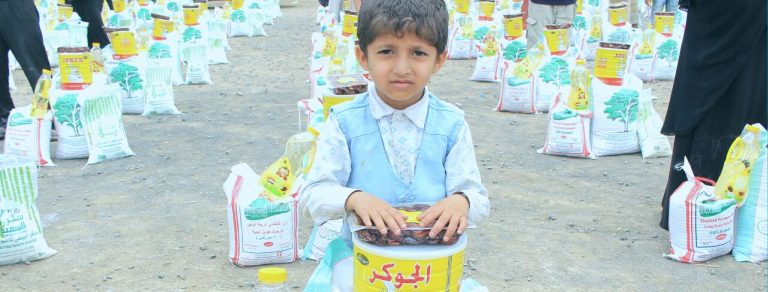
In winter 2024, your generosity helped us assist 33,774 people, including:
- 15,620 individuals receiving nutritious meals
- 621 people receiving warm winter clothing
- 73 families receiving heating systems for their homes
Your impact during the sacred months in Islam extends far beyond material assistance; it brings hope, healing, and dignity.
How Can I Give Sadaqah in the Sacred Months?
Your charity becomes even more meaningful during these months.
Your kindness can transform lives, especially during these spiritually heightened months.
Sadaqah empowers us to respond quickly, compassionately, and meaningfully.
Your contributions help:
- Widowed mothers rebuild their futures
- Orphans attend school rather than struggle on the streets
- Communities recover and rebuild after a crisis
This is the strength of The Zahra Trust movement: unity rooted in mercy and purpose.
Let your generosity brighten someone’s hardest days.
FAQ
The four sacred months in Islam are Dhul Qadah, Dhul Hijjah, Muharram, and Rajab. Allah (swt) identified them as sacred in the Quran (9:36) and encouraged believers to uphold peace, avoid wrongdoing, and increase acts of goodness.
These months were traditionally a time when fighting was prohibited, allowing space for reflection and community stability. Today, Muslims treat them as a chance to deepen faith through worship, charity, and self-improvement.
The Quran states: “Surely the number of the months with Allah (swt) is twelve months in Allah’s (swt) ordinance since the day He created the heavens and the earth. Four of them are sacred…” (Quran 9:36)
Muslims are encouraged to:
- Stay away from harmful actions
- Increase prayer and worship
- Give sadaqah regularly
- Strengthen character and promote peace
Charity in these months is believed to bring greater spiritual reward and helps build a stronger, more compassionate global community.
You can give sadaqah through trusted organizations like The Zahra Trust, ensuring your donation reaches vulnerable individuals and families.