
What Can We Learn from Imam Hassan (as) About the Power of Generosity?
True generosity isn’t measured by how much we own; it’s measured by the sincerity of our hearts.
“You shall never attain the perfect standard of righteousness until you spend in charity from the wealth that you love; and whatever you spend, Allah (swt) surely knows it.” (Quran 3:92)
Across Islamic history, few individuals represent sincere giving as beautifully as Imam Hassan (as).
In a world often defined by what people hold on to, the generosity of Imam Hassan (as) teaches us that our true value lies in what we offer to others.
He was not only the grandson of Prophet Muhammad (saww).
He was a leader whose compassion, humility, and selflessness uplifted the people around him and strengthened the wider community.
His actions showed that kindness is not sporadic; it is a way of life set in faith and empathy.
Understanding Imam Hassan (as): A Model of Compassion and Leadership
The Historical Background of Imam Hassan (as)
Imam Hassan al-Mujtaba (as), the eldest grandson of the Prophet (saww), lived through periods of political tension and social conflict.
Despite challenges, he became a symbol of wisdom, patience, and extraordinary generosity.
His Character Traits That Defined His Legacy
He was known for his calm temperament, fairness, and ability to unite people.
His generosity went beyond material giving; it included emotional support, kindness, and always choosing mercy even when confronted with hardship.
The Meaning of Generosity in Islam
Spiritual Purpose Behind Giving
In Islam, giving is a spiritual act that purifies the heart, strengthens communities, and deepens trust in Allah (swt).
Everything we possess is a blessing, and sharing it is a path toward righteousness.
How Imam Hassan (as) Elevated the Concept of Generosity
Imam Hassan (as) gave generously even when he had very little.
He understood that generosity is rooted in trust: trust that Allah (swt) provides, and trust that kindness always creates positive change.
His actions were more than charity. They were a living expression of faith in action.
Imam Hassan (as) and His Acts of Giving: Lessons for All Believers
Giving Without Expectation
Imam Hassan (as) offered help quietly, without seeking recognition or reward.
His generosity was sincere, private, and driven purely by his desire to serve Allah (swt).
Supporting the Poor and Vulnerable
He continually supported the poor, the oppressed, and anyone who came to him for help.
Accounts of his life show a commitment to ensuring no one in need was turned away.
What Imam Hassan (as) Teaches Us About the Power of Generosity
The Ripple Effect of Compassionate Giving
When we give with sincerity, the impact spreads far beyond the moment.
Imam Hassan (as) showed that one generous heart can influence entire communities.
Generosity as a Strength, Not a Weakness
Some may see giving as vulnerability, but the Imam’s (as) life teaches that generosity builds strength: strength of character, unity, and faith.
Inspiring Others Through Humility and Kindness
He taught that kindness doesn’t need to be loud to be meaningful.
His humility amplified the impact of his generosity and inspired others to follow his example.
How We Can Practice Generosity in Our Daily Lives
Practical Ways to Give from the Heart
Today, many people face uncertainty, from rising living costs to global hardships.
In such times, giving can feel difficult.
But even small, sincere acts of kindness carry immense value.
Giving Beyond Money: Time, Respect, and Patience
Generosity includes:
- Offering emotional support
- Giving time to someone who needs help
- Being patient and understanding
- Encouraging someone who feels discouraged
These simple actions reflect the spirit of Imam Hassan (as).
Building a Generous Mindset for a Better Community
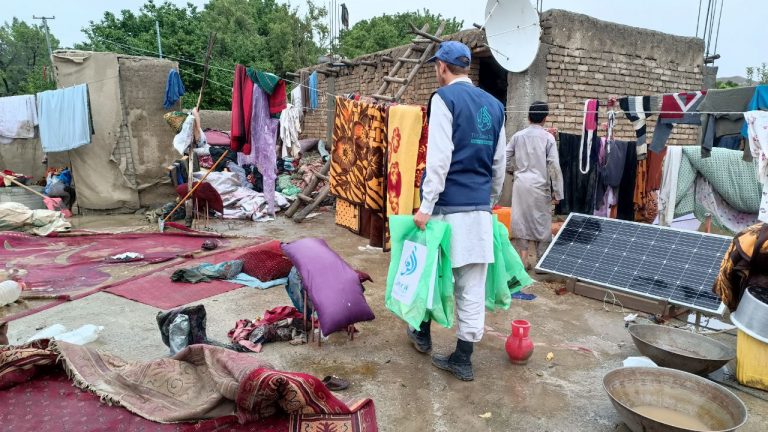
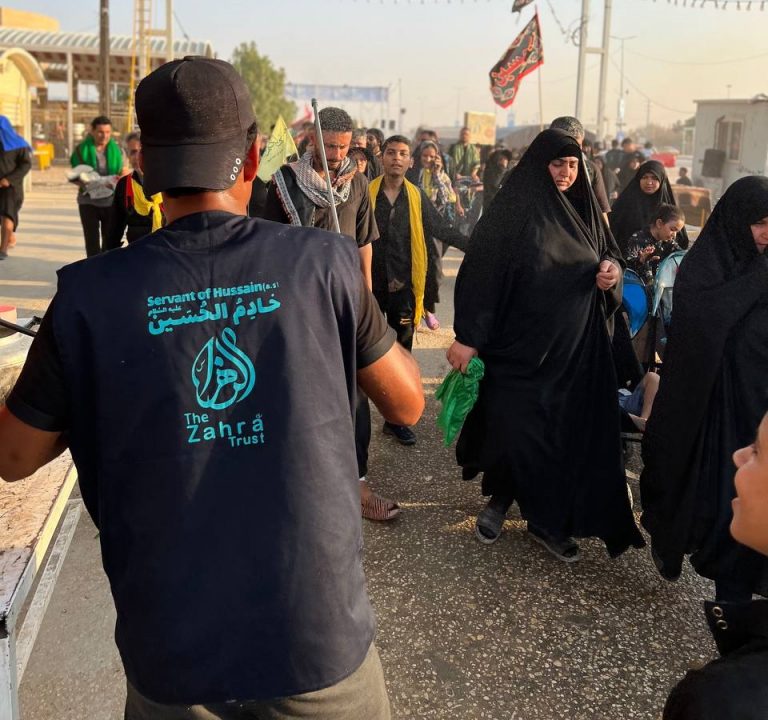
At The Zahra Trust, this mindset guides everything we do.
With your support, we help ensure vulnerable families are not forgotten.
Your generosity becomes a source of healing, stability, and hope.
Common Misconceptions About Generosity in Islam
Is Generosity Only About Wealth?
No. Islam teaches that generosity includes kind words, helpful actions, emotional support, and even a smile.
Intention matters more than the amount given.
Finding Balance Between Giving and Responsibility
Islam encourages thoughtful, balanced giving.
Imam Hassan (as) showed that generosity should uplift, not cause personal hardship, and should always come from sincerity.
Give in the Name of Imam Hassan (as)
Your sadaqah helps us at The Zahra Trust respond quickly wherever suffering is greatest.
Whether it’s delivering urgent winter relief, providing food parcels, or helping a child access education, your giving can bring dignity and hope to those who need it most.
By giving in honor of Imam Hassan (as), you continue his legacy of mercy, compassion, and generosity.
Together, we can make generosity a healing force that strengthens the Ummah and honors the noble example of Imam Hassan (as).
FAQ
Imam Hassan al-Mujtaba (as) was the eldest grandson of Prophet Muhammad (saww) and the second Imam in Shia Islam. He is known for his compassion, leadership, and remarkable generosity.
He consistently gave selflessly throughout his life. Historical records describe him giving away his wealth multiple times to help the poor and the oppressed. His generosity reflected deep faith and trust in Allah (swt).
His life teaches that true generosity isn’t about the amount given, but the sincerity behind it. Giving strengthens the community, builds unity, and brings the giver closer to Allah (swt).
Yes. Quran 3:92 states, “You shall never attain the perfect standard of righteousness until you spend in charity from the wealth that you love; and whatever you spend, Allah (swt) surely knows it.” This verse beautifully aligns with the generosity of Imam Hassan (as).
The Zahra Trust provides aid with dignity and compassion (food, shelter, education, and emergency support), reflecting the values Imam Hassan (as) lived by.
You can give unrestricted sadaqah through trusted organizations like The Zahra Trust. Donations made in his name help continue his legacy of compassion by reaching the most vulnerable with dignity and care.