

Imam Hussain (as)’s legacy extends far beyond his martyrdom on the Day of Ashura. It continues through his words, his principles, and the guidance he left for those who seek truth and justice.
His teachings resonate deeply, calling us to live with integrity, compassion, and a close connection to Allah (swt).
Below, we explore seven enduring lessons from Imam Hussain (as). These teachings not only inspire but also serve as a roadmap for living a purposeful and spiritually rich life.
1. Maintaining Family Relationships
Imam Hussain (as) is reported to have said, “Whoever would like an increase in his lifespan and in his sustenance should maintain relations with his kin.” (Mizan al-Hikmah, H.770)
The Imam (as) taught us that preserving family ties brings blessings in both life and our sustenance. These relationships are more than just emotional connections; they are avenues for divine blessings.
In Surah Muhammad, Allah (swt) warns against severing ties by saying, “If you turn away (from Allah’s commandments), it is expected that you would make mischief in the land and cut off the ties of your kinship! These are those whom Allah (swt) has cursed: and so He has made them (spiritually) deaf and blinded their eyes (likewise).” (47:22 and 23)
Honoring family is not just a social duty but a sacred responsibility that brings immense reward.
2. True Generosity
Aba Abdillah (as) is narrated to have said, “The most open-handed of people is he who gives without expectation.” (Mizan al-Hikmah, H.2862)
For Imam Hussain (as), the purest form of generosity is giving without expecting anything in return. This kind of giving isn’t transactional; it’s selfless, sincere, and for the sake of Allah (swt) alone.
The Qur’an captures this ideal of the Ahlulbayt (as) by saying in Surah al-Insan, “We feed you only for Allah’s (swt) sake; we expect neither reward nor thanks from you.” (76:9)
Such generosity purifies the heart and strengthens our trust in Allah’s (swt) reward.
3. Greetings of Peace
Sayyid Al-Shuhada (as) ireportedly said, “Salaam (greeting of peace) has seventy rewards: sixty-nine for the one who initiates it, and one for the one who responds.” (Bihar al-Anwar, V. 78)
Imam Hussain (as) taught us that starting with “salaam” brings greater reward. This simple gesture of peace has deep spiritual significance.
The Qur’an reinforces this etiquette by telling us in Surah an-Nur, “And when you enter the houses, greet yourselves with a salutation from Allah (swt) which is blessed and goodly.” (24:61)
Initiating peace reflects humility, warmth, and a spirit of unity — all core elements of true faith.
4. The Path to Knowing Allah (swt)
The Master of Martyrs (as) is reported to have said, “It is for the people of every time to know their Imam, obedience to whom is mandatory.” (Bihar al-Anwar, V. 23)
When asked how to know Allah (swt), Imam Hussain (as) pointed people to the Imam of their time. Obedience to the Imam is not separate from faith; it is a vital part of it.
Recognizing and following the rightful guide draws the believer closer to divine truth.
In our era, this means knowing and aligning with Imam Mahdi (ajtfs).
5. Helping Others
A narration from Imam Hussain (as) says, “And know that the needs of people being directed toward you are among the blessings of Allah (swt) upon you. So do not tire of these blessings, lest they turn into hardships.” (Bihar al-Anwar, V. 78)
When someone turns to you for help, Imam Hussain (as) reminds us it’s not a burden, but a blessing. Allah (swt) has entrusted you with a chance to be of service.
Instead of growing weary, we’re urged to embrace such moments with gratitude and care.
6. Relieving the Burdens of Others
Aba Abdillah (as) is reported to have said, “Whoever relieves a believer’s distress, Allah (swt) will relieve their difficulties in this world and the Hereafter.” (Bihar al-Anwar, V. 78)
Helping others isn’t just kindness. It’s a way of inviting divine assistance into our own lives. The Imam (as) teaches us that when we ease someone’s pain, Allah (swt) promises to ease ours.
Small acts of compassion can have lasting spiritual effects for both giver and receiver.
7. Dignity and Humiliation
Sayyid Al-Shuhada (as) is reported to have said, “’Death with dignity is better than living with disgrace.” (Bihar al-Anwar, V. 44)
Imam Hussain (as) chose martyrdom over submission to oppression. His choice was rooted in faith, honor, and resistance to tyranny.
The Qur’an echoes this sentiment by saying in Surah al-Baqarah, “Do not speak of those who are slain in the way of Allah (swt) as dead; nay, they are alive, but you do not perceive (how they live).” (2:154)
To stand for truth, even at the cost of one’s life, is to attain a higher form of existence, one honored by Allah (swt).
Conclusion
Imam Hussain (as)’s teachings continue to guide and inspire. His words urge us to live with sincerity, serve with humility, and stand firm against oppression.
By reflecting on these timeless lessons and applying them in our own lives, we honor his sacrifice and carry his legacy forward.
FAQs
Silat al-rahm is a cornerstone of Islamic values. The Prophet (saww) and the Ahlulbayt (as) taught that maintaining kinship bonds brings divine blessings, increases one’s lifespan, and strengthens the community. Severing these ties is forbidden in both the Qur’an and hadith.
In Shia Islam, the Imam is the divinely appointed guide of each era. Recognizing the Imam connects believers to true divine guidance. As Imam Hussain (as) taught, obedience to the Imam is crucial for gaining deeper knowledge of Allah (swt).
Islam encourages giving from the heart, with no expectation of return. Imam Hussain (as) exemplified this selfless giving, reflecting a trust in Allah (swt) as the ultimate rewarder. The Qur’an supports this concept, emphasizing the purity of intention.
Yes. Helping others is both a moral duty and a means to receive divine reward. Islam teaches that reaching out to others in their time of need is a key aspect of a believer’s character.
Initiating peace is a reflection of good character and a desire for unity. Both the Prophet (saww) and Imam Hussain (as) encouraged greeting others with peace, knowing that this simple act fosters stronger relationships and spiritual benefits.
More from Blog
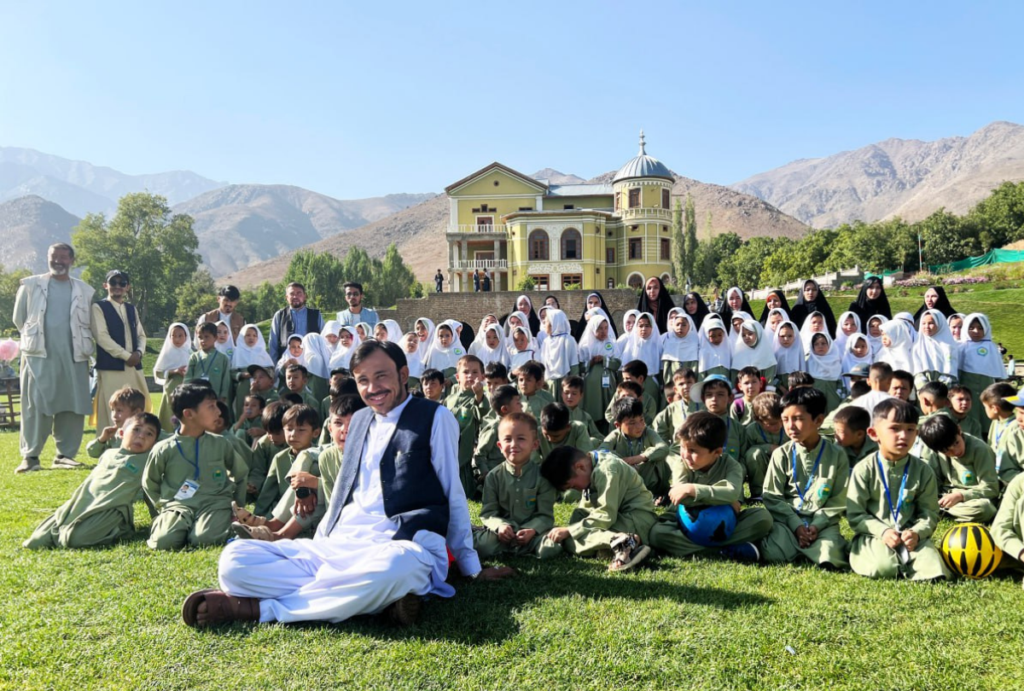
Knowledge as Sadaqah Jariyah: Why supporting education is a lasting legacy
Every believer hopes to leave behind a legacy that continues to earn the pleasure of Allah (swt). While many acts of charity…

Why school meals matter more than you think
For many children, school represents more than a classroom. It is a place of safety, opportunity, and hope. For millions of children…
5 Quran Verses About Knowledge and What They Teach Us
Knowledge is one of the greatest blessings Allah (swt) has given humanity. Through knowledge, we strengthen our faith, deepen our understanding of…