
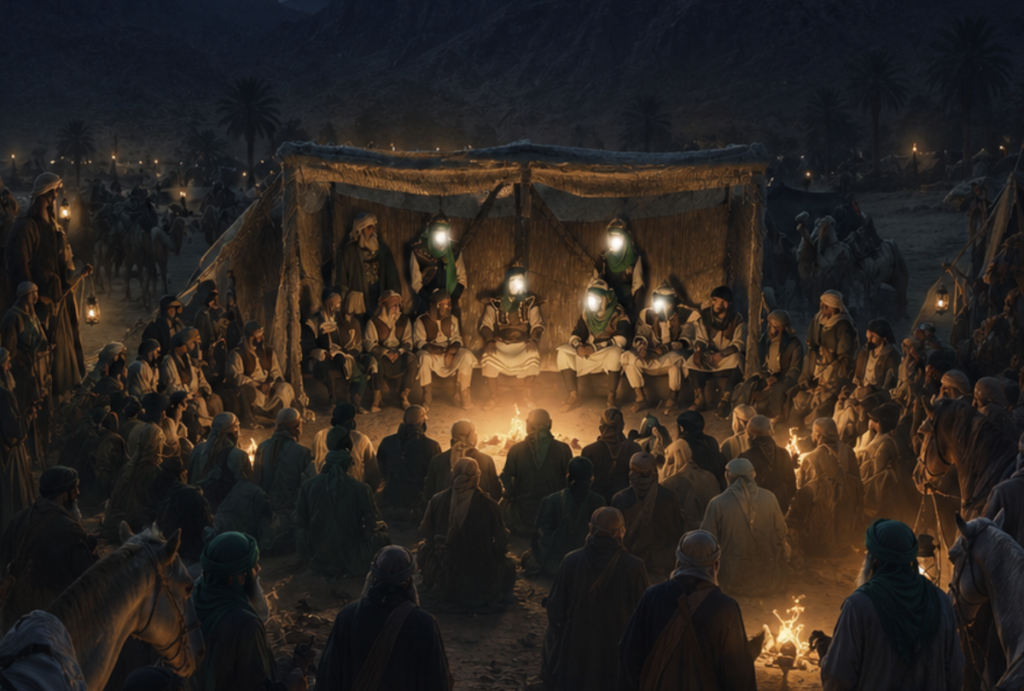
The Night of Ashura marks one of the most profound and emotionally significant moments in Islamic history. It took place on the eve of the Day of Ashura, when Imam Hussain (as), along with his family and companions, spent their final night in Karbala before the tragic events of the following day.
Surrounded by the forces of Yazid, the small group with Imam Hussain (as) knew that the next morning would bring a decisive and life-altering confrontation. Yet, despite this awareness, the atmosphere in their camp was not one of despair. Instead, it was a night filled with reflection, worship, courage, and unwavering trust in Allah (swt).
The Night of Ashura continues to resonate deeply because it shows what faith looks like at its highest level, where belief is not only spoken but lived under the most difficult circumstances.
Why the Night of Ashura matters
This was not a political struggle in the worldly sense. It was a stand to preserve truth, justice, and the core values of Islam. The companions who remained with Imam Hussain (as) did so with full awareness of the danger ahead, yet they chose conviction over comfort.
Rather than being defined only by the battle that followed, this night highlights the moral clarity of those present. It shows how true faith becomes visible when individuals are faced with difficult decisions and uncertain outcomes.
Permission to leave
He made it clear that the enemy was seeking only him, and that there was no obligation upon anyone to remain. In a powerful expression of leadership, he praised those around him, reportedly saying:
Maqtal al-Hussain
He then granted them complete freedom to leave if they wished, ensuring that no one stayed out of pressure or expectation.
At that moment, every companion faced a deeply personal choice between leaving for safety or remaining with certainty of hardship.
The courage of the companions
What followed is remembered as one of the greatest displays of loyalty in human history.
Despite being given permission to leave, not a single companion chose to abandon Imam Hussain (as). Each one reaffirmed their commitment, standing firm in their decision to remain.
Their loyalty was not driven by obligation, but by conviction. They believed in the truth of Imam Hussain’s (as) cause and were willing to sacrifice everything for it.
Many companions expressed that leaving him was not even a consideration, regardless of the consequences. Their unity transformed the camp into a place of resolve and spiritual strength.
This moment continues to be remembered because it shows what true loyalty looks like when it is tested by fear, uncertainty, and sacrifice.
A night filled with worship and preparation
After this powerful exchange, the camp of Imam Hussain (as) turned to worship and spiritual preparation.
Throughout the night, the sound of Quran recitation, supplication, and prayer filled the tents. Rather than preparing only physically for what was to come, the companions focused on strengthening their hearts and their connection with Allah (swt).
While the opposing army prepared for battle, the companions of Imam Hussain (as) prepared for their meeting with Allah (swt).
This contrast highlights the spiritual depth of the Night of Ashura. It was not a night of fear, but a night of devotion and certainty.
The Quran captures the spirit of such a soul:
This verse reflects the state of serenity, trust, and submission that defined the camp of Imam Hussain (as) during those final hours.
Loyalty through the example of the companions
The Night of Ashura presents one of the clearest examples of loyalty in Islamic history, not because it was spoken about, but because it was lived in action.
When Imam Hussain (as) gave his companions complete permission to leave, he removed every form of pressure or obligation. There was no expectation placed upon them, and no worldly benefit to remain. Each person was given full freedom to make a personal decision.
What makes their response so powerful is that, despite this freedom, every companion chose to stay.
Their loyalty was not based on circumstance, fear of judgement, or social obligation. It was rooted in conviction and a deep understanding of the truth they stood for. They recognised the mission of Imam Hussain (as) as one of justice, integrity, and faith, and they chose to align themselves with it fully.
This moment shows that true loyalty is not measured when conditions are easy, but when sacrifice becomes real. The companions of Karbala demonstrated that sincerity is proven through action, especially when there is something significant to lose.
They understood that remaining with Imam Hussain (as) meant facing hardship, yet they prioritised truth over personal safety. In doing so, they set an example that continues to inspire believers today.
Their choice on the Night of Ashura reminds us that faith is not only about belief in the heart, but also about the willingness to stand firm when it matters most.
What the Night of Ashura teaches us today
The lessons of the Night of Ashura extend far beyond its historical moment.
It teaches that faith is revealed in moments of difficulty, not ease. The companions of Imam Hussain (as) demonstrated that belief in Allah (swt) is strongest when it is tested.
It also teaches the importance of sincerity. Imam Hussain (as) did not want followers who remained out of obligation. He valued those who chose truth freely and wholeheartedly.
Finally, it reminds us of the power of worship during hardship. Instead of despair, the companions turned to prayer and remembrance, strengthening themselves spiritually for what lay ahead.
These lessons continue to inspire believers to stand for justice, uphold truth, and remain steadfast in their faith.
Final reflections
The Night of Ashura was not merely the eve of a historic battle. It was a night The Night of Ashura was a night defined by loyalty, worship, and unwavering conviction. Imam Hussain (as) gave his companions freedom to leave, yet they chose to stay by his side without hesitation.
Together, they spent their final night in Karbala in prayer, reflection, and devotion to Allah (swt), fully aware of what the next day would bring.
Their example remains one of the greatest demonstrations of faith in Islamic history.
To answer “Labbayk Ya Hussain” is to carry his message beyond remembrance.
Give in honor of Imam Hussain (as) and turn mourning into mercy.
FAQs
What happened on the Night of Ashura?
The Night of Ashura was the evening before the Battle of Karbala. Imam Hussain (as) gathered his companions, gave them permission to leave, received their renewed pledges of loyalty, and spent the night with his family and supporters in worship and prayer.
Why did Imam Hussain (as) tell his companions they could leave?
Imam Hussain (as) wanted to ensure that nobody remained with him out of obligation or pressure. He made it clear that they were free to depart, allowing each person to choose whether to stay based on sincere conviction.
How did the companions respond?
The companions refused to leave Imam Hussain (as). They reaffirmed their loyalty and commitment, choosing to remain by his side despite knowing the dangers they would face the following day.
What did the camp do during the night?
Historical accounts describe the camp spending the night in prayer, recitation of the Holy Quran, supplication, and remembrance of Allah (swt) as they prepared spiritually for the Day of Ashura.
Why is the Night of Ashura important?
The Night of Ashura is important because it demonstrates the faith, loyalty, courage, and devotion of Imam Hussain (as), his family, and his companions. It offers timeless lessons about standing for truth and trusting in Allah (swt) during times of difficulty.
More from Blog
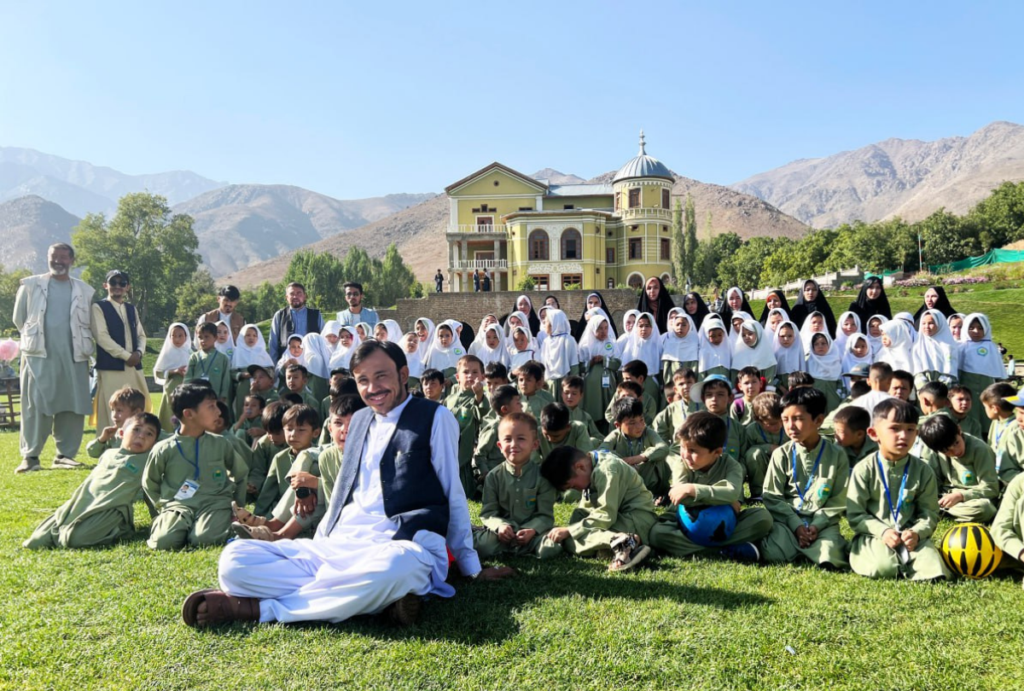
Knowledge as Sadaqah Jariyah: Why supporting education is a lasting legacy
Every believer hopes to leave behind a legacy that continues to earn the pleasure of Allah (swt). While many acts of charity…
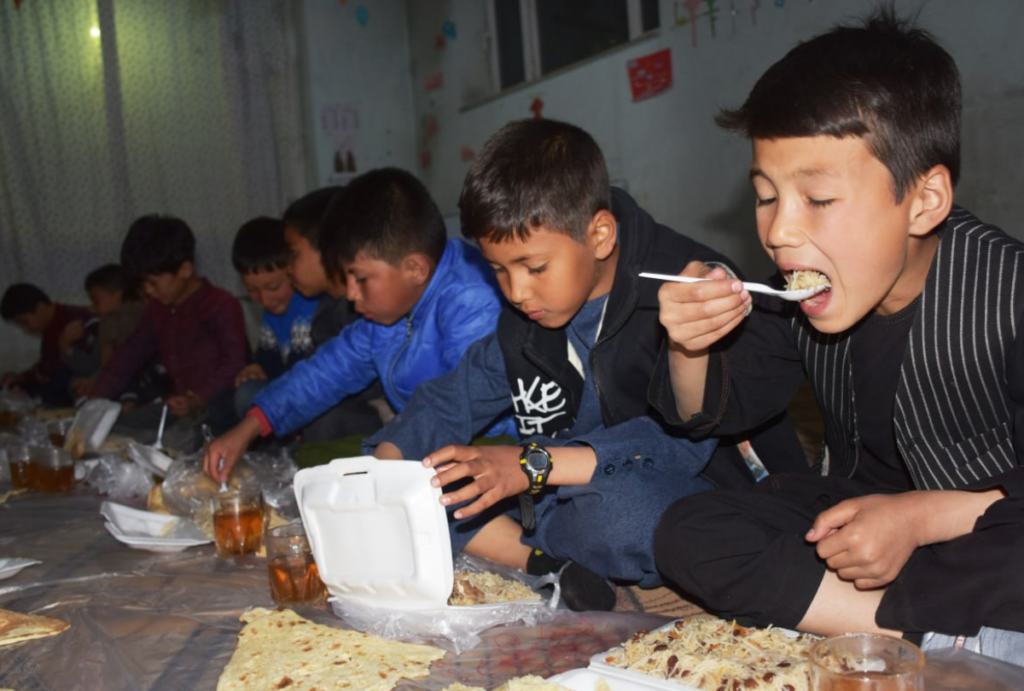
Why school meals matter more than you think
For many children, school represents more than a classroom. It is a place of safety, opportunity, and hope. For millions of children…
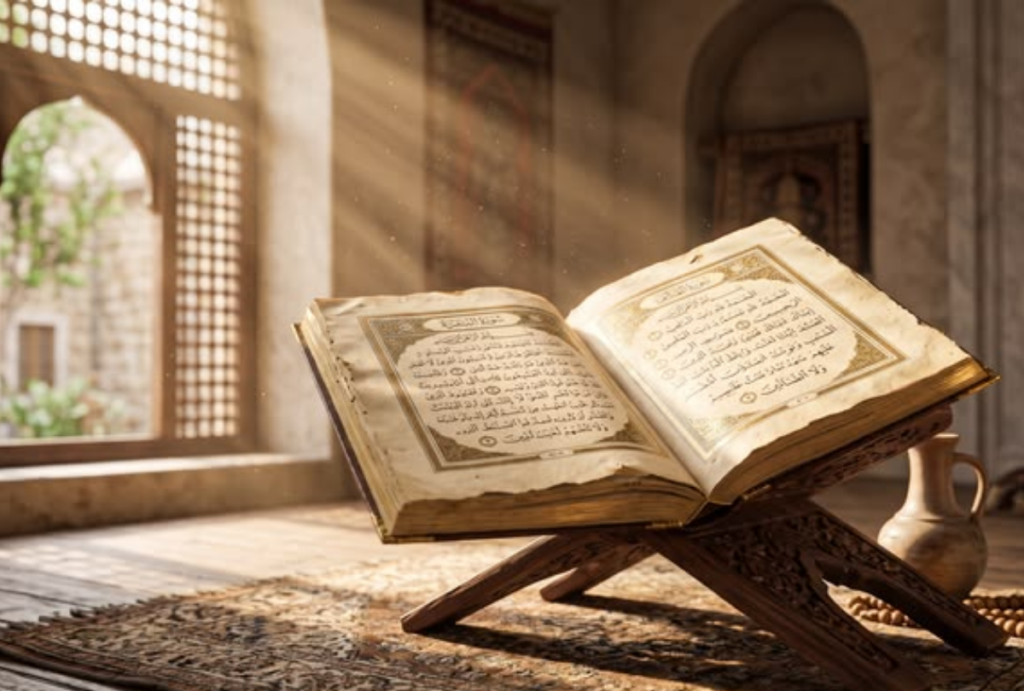
5 Quran Verses About Knowledge and What They Teach Us
Knowledge is one of the greatest blessings Allah (swt) has given humanity. Through knowledge, we strengthen our faith, deepen our understanding of…