How Mosques Restore Communities: Faith, Education, and Lasting Change | The Zahra Trust USA
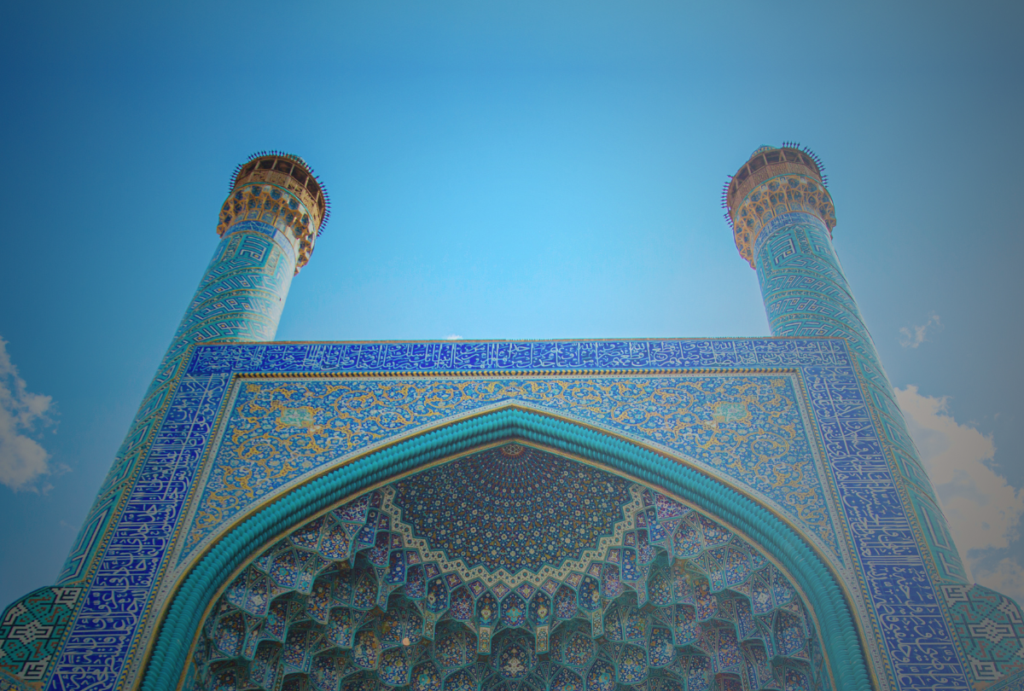
Throughout history, mosques have been at the center of Muslim community life.
They are places where believers gather to worship Allah (swt), strengthen their faith, and connect with one another. Yet the role of a mosque extends far beyond prayer alone. Mosques have long served as centers of education, guidance, support, and service, helping communities grow stronger spiritually, socially, and economically.
From the earliest days of Islam to the present day, mosques have played a vital role in bringing people together and creating lasting positive change. For communities facing poverty, displacement, or hardship, a mosque can become a source of hope, stability, and renewal.
Today, the lessons of the mosque remain just as relevant as ever.
The Mosque: The Heart of the Muslim Community
When the Prophet Muhammad (saww) migrated to Medina, one of the first institutions he established was the mosque.
This was not simply a place where Muslims would perform their daily prayers. It became the heart of the growing Muslim community. People gathered there to learn, seek guidance, discuss important matters, and support one another.
The mosque served as a place where faith was strengthened and relationships were built.
Allah (swt) says in the Holy Qur’an:
In many parts of the world, particularly where resources are limited, the mThis verse reminds believers that caring for mosques is an act of faith and a means of strengthening entire communities.
More Than a Place of Worship
While prayer remains at the center of mosque life, mosques fulfill many other important functions.
They provide spaces where people can gather regardless of age, background, or social status.
They create opportunities for families to connect.
They foster a sense of belonging and shared purpose.
For many Muslims, the mosque becomes a second home—a place where they can find encouragement, guidance, and support throughout different stages of life.
This sense of connection helps create stronger and more resilient communities.
Centers of Learning and Knowledge
Education has always been one of the most important roles of the mosque.
The first revelation to the Prophet Muhammad (saww) began with the command:
Mosques have carried forward this tradition of learning for centuries.
Today, mosques provide:
• Qur’an education for children
• Islamic studies classes
• Youth development programs
• Community lectures and seminars
• Opportunities for lifelong learning
These educational programs help individuals strengthen their faith and equip communities with the knowledge needed to navigate modern challenges.
When a mosque thrives, opportunities for learning thrive alongside it.
A Source of Support During Difficult Times
Mosques often become places where people turn when they need help.
Families facing financial hardship seek assistance.
Individuals experiencing grief find comfort.
Community members struggling with personal challenges receive guidance and encouragement.
This tradition of care reflects the teachings of the Prophet Muhammad (saww) and the Ahlulbayt (as), who emphasized compassion, service, and concern for others.
Mosques help communities put this teaching into practice.
They create spaces where people support one another and where no one feels forgotten during difficult times.
Rebuilding Mosques, Restoring Hope
In communities affected by conflict, poverty, natural disasters, or displacement, mosques are often among the most important institutions to restore.
When a mosque is damaged or destroyed, people lose more than a building.
They lose a place of worship.
A center of learning.
A gathering place for the community.
A source of guidance and support.
Rebuilding a mosque helps restore all of these functions.
It provides a foundation upon which communities can recover and rebuild their future.
For many people, the restoration of a mosque represents the restoration of hope itself.
Building Stronger Communities for Future Generations
The impact of a mosque extends far beyond the present moment.
Every child who learns Qur’an within its walls.
Every family that finds support during hardship.
Every believer who strengthens their faith through worship.
Each contributes to a legacy that continues for generations.
Mosques help shape future leaders, teachers, parents, and community members. They create environments where Islamic values can be learned, practiced, and passed on to future generations.
Investing in mosques is ultimately an investment in people.
Why Mosques Matter Today
Across the United States and around the world, Muslim communities continue to rely on mosques as centers of faith and community life.
They provide stability during uncertain times.
They offer opportunities for learning and growth.
They strengthen relationships between families and neighbors.
They help preserve Islamic identity and values for future generations.
As communities grow and evolve, the role of the mosque remains as important as ever.
Support Mosque Projects Through The Zahra Trust USA
At The Zahra Trust USA, we have seen how mosque projects can transform communities.
By supporting mosque construction and restoration initiatives, you help create spaces where worship, education, and community support can flourish.
Your generosity helps build more than a mosque.
It helps build hope.
It helps build resilience.
It helps build stronger communities.
This Muharram, honor the values of the Ahlulbayt (as) by supporting projects that create lasting impact for generations to come.
Help restore a mosque.
Help restore a community.
Help restore hope.
FAQs
Why are mosques important in Islam?
Mosques are places of worship, education, community support, and spiritual development. They serve as central institutions within Muslim communities and help strengthen faith and social bonds.
How do mosques benefit local communities?
Mosques provide opportunities for worship, religious education, community programmes, charitable initiatives, and support for individuals and families facing hardship.
What role do mosques play in Islamic education?
Mosques often host Qur’an classes, Islamic studies programmes, lectures, and educational activities that help people of all ages strengthen their understanding of Islam.
Why is rebuilding mosques important?
Rebuilding mosques restores places of worship, learning, and community gathering. It helps communities recover from conflict, poverty, displacement, or disaster while preserving important spiritual and social functions.
What does the Qur’an say about maintaining mosques?
Allah (swt) says: “The mosques of Allah are only to be maintained by those who believe in Allah and the Last Day…” (9:18). This verse highlights the importance of supporting and caring for the houses of Allah (swt).
How do mosques help vulnerable families?
Many mosques provide practical support, community services, charitable assistance, counselling, and guidance to individuals and families facing challenges.
What is the reward for supporting a mosque?
Supporting a mosque contributes to ongoing acts of worship, education, and community benefit. Many Muslims view this as a form of Sadaqah Jariyah, or continuous charity.
How can I help restore communities through The Zahra Trust?
You can support mosque construction and restoration projects through The Zahra Trust, helping provide spaces for worship, education, community development, and long-term social support.
More from Blog
What’s Inside a Sponsored Classroom?
When most people picture a classroom, they think of desks, books, and a teacher leading a lesson. For a child facing poverty,…
Imam Hasan al-Askari (as): Preparing the next generation
The Wiladat of Imam Hasan al-Askari (as) offers believers an opportunity to reflect on the life of the eleventh Imam of the…
Knowledge as Sadaqah Jariyah: Why supporting education is a lasting legacy
Every believer hopes to leave behind a legacy that continues to earn the pleasure of Allah (swt). While many acts of charity…