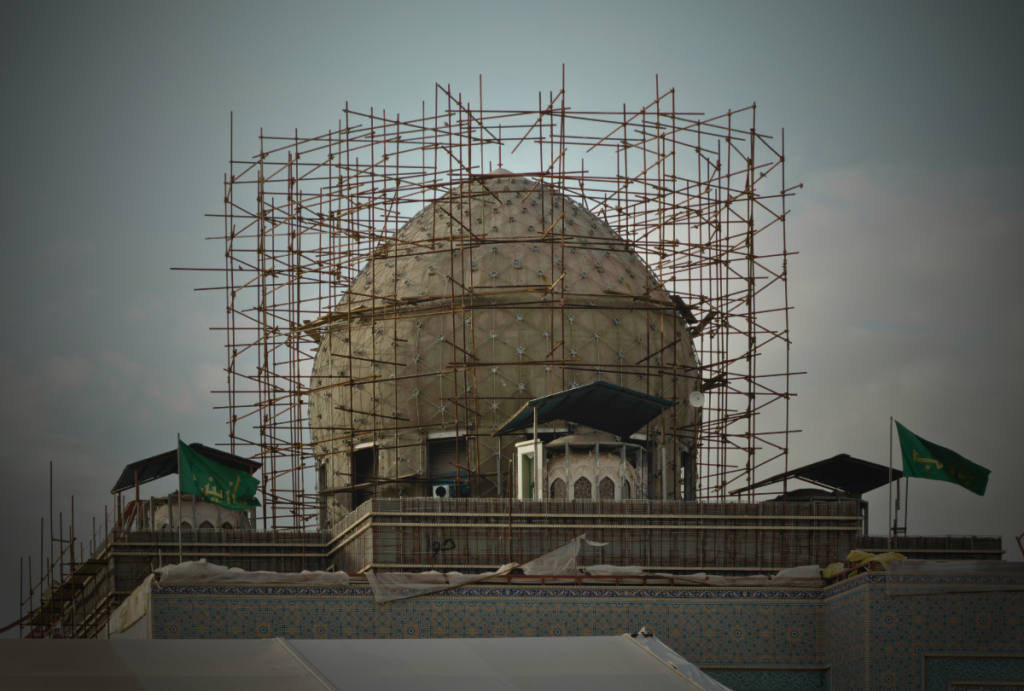
A mosque is never just a physical structure. It is a living center of faith, connection, and belonging. When it is damaged or lost, the absence is deeply felt across every part of community life. It is not only the building that disappears, but also routines, relationships, and a sense of shared identity.
In understanding the sacred nature of these spaces, the Quran reminds believers:
This verse highlights the spiritual foundation of mosques and reminds us that their purpose is rooted in devotion and unity. Because of this, rebuilding a mosque becomes more than physical repair. It becomes a renewal of worship, meaning, and communal strength.
When a mosque is restored, it signals that faith, identity, and community life are being given space to flourish again.
Beyond walls: The mosque as a living community hub
When that space is no longer available, the effects reach beyond missed prayers. Familiar routines are disrupted, social ties weaken, and people can lose an important sense of connection and belonging.
That is why rebuilding matters. Restoring a mosque helps revive community life by bringing people back together, creating space for reflection and learning, and renewing the support networks that help communities thrive.
In restoring a sacred space, communities regain more than a place to gather. They regain continuity, connection, and a shared sense of purpose.
Rebuilding a mosque and the revival of community life
When rebuilding begins, something powerful happens within the community itself. People come together with shared purpose. They contribute time, energy, resources, and emotional support. In doing so, they begin to rebuild trust alongside the physical structure.
Sacred spaces often serve as the center of community life, supporting education, charity, counseling, and social gatherings. Once restored, the mosque becomes a place where these essential activities can return.
The ripple effect of rebuilding a mosque can include:
- Strengthened neighborhood relationships
- Revived charitable activities
- Reopened educational programs
- Renewed community cooperation
- Restored emotional stability
Over time, these effects grow, helping the community regain its sense of balance and unity.
A teaching from Imam Ali (as): The value of visiting mosques
The importance of the mosque as a source of guidance and growth is beautifully expressed in the words of Imam Ali (as):
Thawab al-Amal wa Iqbal al-Amal, v.1, ch.61, h.108
This narration shows the mosque as a place of transformation. It nurtures knowledge, morality, and spiritual awareness.
When a mosque is rebuilt, these opportunities return. The community regains access to spaces that encourage reflection, learning, and personal growth. In this way, rebuilding a mosque restores not just a structure, but pathways to spiritual development.
Restoring identity and emotional continuity
A mosque often represents the identity of a community. It carries memory, tradition, and shared history. When it is damaged or destroyed, people may feel a break in continuity, as if part of their story has been interrupted.
Rebuilding helps restore that continuity. It allows communities to reconnect with their past while also looking toward the future with renewed hope.
This process is especially meaningful in areas affected by conflict or displacement. Restoring sacred spaces can help rebuild emotional stability and create a foundation for long-term healing.
Loyalty through the example of the Ahlulbayt (as)
The teachings and example of the Ahlulbayt (as) emphasize respect for sacred spaces and the importance of maintaining places of worship. These spaces are seen as centers of remembrance, learning, and community unity.
Within this understanding, rebuilding a mosque reflects a deeper responsibility. It is an act that supports the preservation of faith, continuity of worship, and strength of community bonds.
This tradition reinforces the idea that mosques are not passive structures. They are active centers of life that shape generations through learning, reflection, and service.
The ripple effect on society
Local businesses may see increased foot traffic. Educational initiatives restart. Social support systems become more active. Even neighboring communities benefit from the renewed sense of stability.
This ripple effect demonstrates how one restored mosque can influence an entire region, strengthening both social and spiritual foundations.
Restoring more than walls: A final reflection
Rebuilding a mosque is never only about construction. It is about restoring meaning, identity, and connection. It is about giving communities back a place where faith can be practiced, shared, and lived together.
A mosque is more than a place of prayer. It is where communities gather, children learn, and support begins. When sacred spaces are rebuilt, communities regain more than a building. They regain connection, dignity, and hope.
Help rebuild sacred spaces that restore communities. Restore more than walls. Restore the spiritual heart of a community and rebuild spaces where faith and unity continue to grow for generations to come.
Frequently asked questions
What does rebuilding a mosque mean for a community?
It means restoring a central space of worship, learning, and connection. It helps rebuild social bonds and strengthens community identity.
Why are mosques so important in Islam?
Mosques are places of worship and guidance where individuals gather for prayer, learning, and support, making them essential to spiritual and social life.
How does rebuilding a mosque affect local communities?
It revives social activity, encourages unity, supports education, and helps restore emotional and cultural continuity.
What is the spiritual significance of rebuilding a mosque?
It reflects respect for sacred space and supports the return of worship, reflection, and moral development within the community.
Can rebuilding a mosque help after conflict or disaster?
Yes, it often plays a key role in emotional recovery and social rebuilding, helping communities regain stability and hope.
How do mosques support everyday community life?
They provide spaces for learning, charity, gatherings, counselling, and collective worship, making them vital community centres.
More from Blog
Imam Hasan al-Askari (as): Preparing the next generation
The Wiladat of Imam Hasan al-Askari (as) offers believers an opportunity to reflect on the life of the eleventh Imam of the…
Knowledge as Sadaqah Jariyah: Why supporting education is a lasting legacy
Every believer hopes to leave behind a legacy that continues to earn the pleasure of Allah (swt). While many acts of charity…
Why school meals matter more than you think
For many children, school represents more than a classroom. It is a place of safety, opportunity, and hope. For millions of children…