
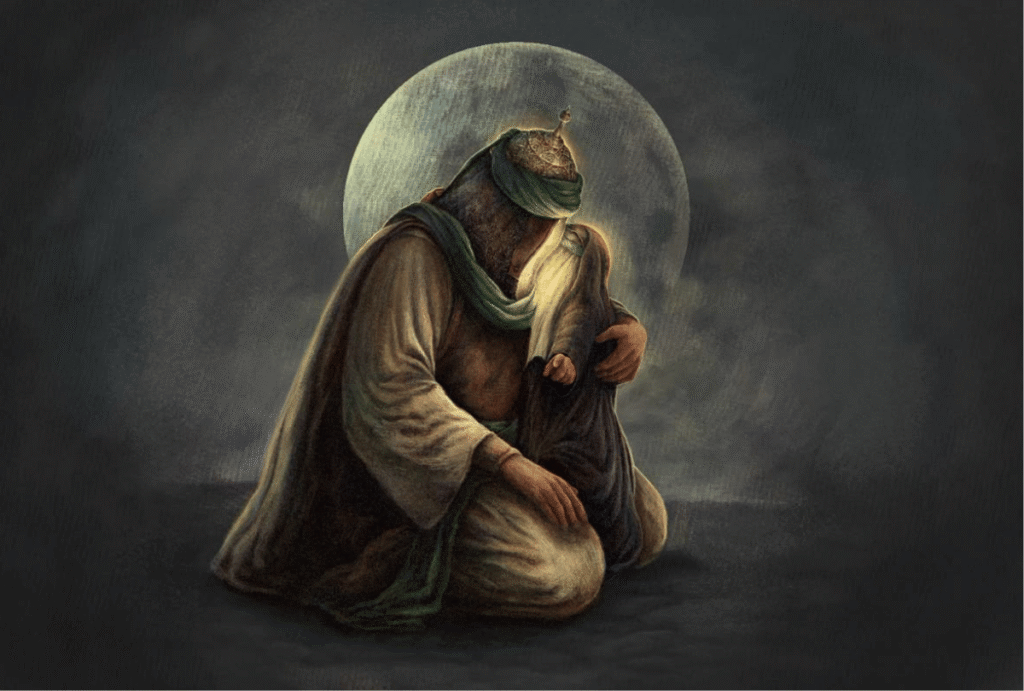
The legacy of Sayyida Sakina (sa) continues to resonate far beyond the events of Karbala and the journey to Shaam. Her story has become a timeless reminder of the innocence that suffers under injustice and the responsibility every believer carries to protect the vulnerable.
Throughout Islamic history, and especially within the teachings of the Ahlulbayt (as), children are honored as a trust from Allah (swt). The experiences of Sayyida Sakina (sa), the beloved young daughter of Imam Hussain (as), remind us that caring for vulnerable children is more than an act of kindness. It is a reflection of faith, mercy, and justice. During Muharram and Safar, her legacy encourages us not only to remember her suffering but also to respond with compassion toward children facing hardship today.
The innocence of the center of Karbala
The story of Karbala is remembered as the ultimate stand for truth against oppression. Within that powerful history, Sayyida Sakina (sa) represents innocence caught in the midst of unimaginable hardship.
She is remembered as the beloved daughter of Imam Hussain (as), growing up in a household devoted to worship, knowledge, and unwavering faith in Allah (swt). After the tragedy of Karbala, she endured the pain of captivity alongside the Ahlulbayt (as), becoming one of the most recognizable symbols of the suffering experienced by them.
Today, her story reaches beyond history. It reminds us of every child whose life has been shaped by conflict, loss, displacement, or fear.
A Quranic call about protecting the vulnerable
The Quran repeatedly emphasizes the importance of safeguarding those who are most vulnerable. Among its clearest commands is the obligation to preserve the dignity of orphans and children in need.
Allah (swt) says: “Therefore, as for the orphan, do not humiliate (him).” (93:9)
This powerful verse reminds believers that every orphan deserves compassion, respect, and protection. When we reflect upon the legacy of Sayyida Sakina (sa), these words take on even greater meaning. Her experiences remind us that no child should be abandoned, forgotten, or deprived of dignity.
Remembering Karbala should strengthen our commitment to ensuring that vulnerable children are met with care rather than neglect.
Love within the family of the Ahlulbayt (as)
The relationship between Imam Hussain (as) and Sayyida Sakina (sa) reflects the deep love that existed within the household of the Ahlulbayt (as).
This narration offers a beautiful glimpse into the affection shared between a father and his daughter. Understanding this bond helps us appreciate the immense emotional weight carried by the family after Karbala.
The legacy of Sayyida Sakina (sa) is therefore remembered not only through sorrow, but also through the love, compassion, and family values that defined the household of Imam Hussain (as).
Sakina (sa) as a reflection of every vulnerable child
The legacy of Sayyida Sakina (sa) continues wherever children experience suffering, uncertainty, or loss.
Across our world today, countless children are living through circumstances that no child should endure, including:
Losing one or both parents.
Displacement caused by conflict or disaster.
Hunger and financial hardship.
Emotional trauma and loneliness.
Limited access to education and security.
Her story encourages us to see these children not as statistics, but as individuals deserving dignity, hope, and compassion. Remembering Sayyida Sakina (sa) means recognizing that every vulnerable child deserves to be protected and cared for.
Learning compassion through the example of the Ahlulbayt (as)
The events surrounding Karbala continue to inspire believers to defend the dignity of those who are oppressed, especially children who cannot advocate for themselves. Through patience, compassion, and steadfastness, the Ahlulbayt (as) showed that true devotion to Allah (swt) is reflected in how we care for His creation.
The legacy of Sayyida Sakina (sa) reminds us that compassion is not simply something we feel. It is something we practice through meaningful action that uplifts vulnerable children and families.
Our responsibility in the modern world
The message carried by Sayyida Sakina’s (sa) legacy emains as relevant today as ever.
Around the globe, millions of children continue to face poverty, displacement, and the loss of parental care. Their circumstances call upon us to reflect on our own responsibilities as individuals and communities.
As we observe Muharram and Safar, we should ask ourselves:
How can we better support vulnerable children?
What can we do to protect those who have lost parental care?
How can our remembrance inspire lasting acts of compassion?
True remembrance extends beyond reflection. It encourages positive action that transforms lives and strengthens communities.
Continuing her legacy beyond Muharram and Safar
The lessons of Karbala are not meant to remain within a single season of remembrance. The legacy of Sayyida Sakina (sa) calls us to carry those lessons into our everyday lives through acts of compassion and service.
Supporting orphan care through The Zahra Trust is one meaningful way to continue the values exemplified by the Ahlulbayt (as). Every child who receives care, protection, and hope is a reminder that remembrance can become lasting action.
Give beyond the season by helping provide care and support for vulnerable children. Through orphan support, you can help build a legacy that lives on, honoring the values of mercy, compassion, and justice inspired by Imam Hussain (as) and his beloved family.
Frequently asked questions
Who was Sayyida Sakina (sa)?
Sayyida Sakina (sa) was the young daughter of Imam Hussain (as). She is remembered for her innocence, devotion, and steadfastness during the tragedy of Karbala and the hardships that followed.
Why is Sayyida Sakina (sa) important in Islamic history?
She represents the suffering endured by innocent children during Karbala and has become a lasting symbol of dignity, patience, and compassion in the face of injustice.
What does the Quran say about caring for orphans?
The Quran instructs believers in verse 9 of Surah ad-Duha, “Therefore, as for the orphan, do not humiliate (him).” This verse emphasizes preserving the dignity, rights, and well-being of vulnerable children.
How is Sayyida Sakina (sa) connected to orphan care today?
Her story reminds Muslims of the importance of standing beside orphaned and vulnerable children by offering care, protection, and hope through meaningful support.
What can we learn from the legacy of Sayyida Sakina (sa)?
Her legacy teaches us the importance of compassion, justice, resilience, and protecting those who are most vulnerable in society.
How can we honour her memory in modern times?
We can honor her memory by supporting orphan care, assisting vulnerable families, and helping ensure that children grow up with dignity, security, and opportunity.
More from Blog
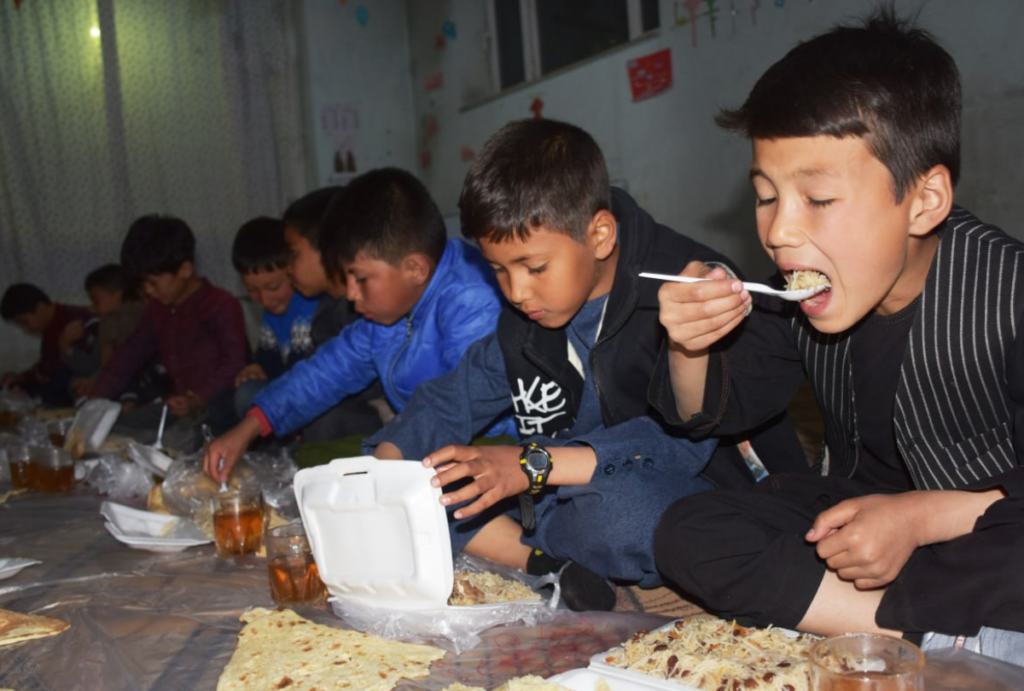
Why school meals matter more than you think
For many children, school represents more than a classroom. It is a place of safety, opportunity, and hope. For millions of children…
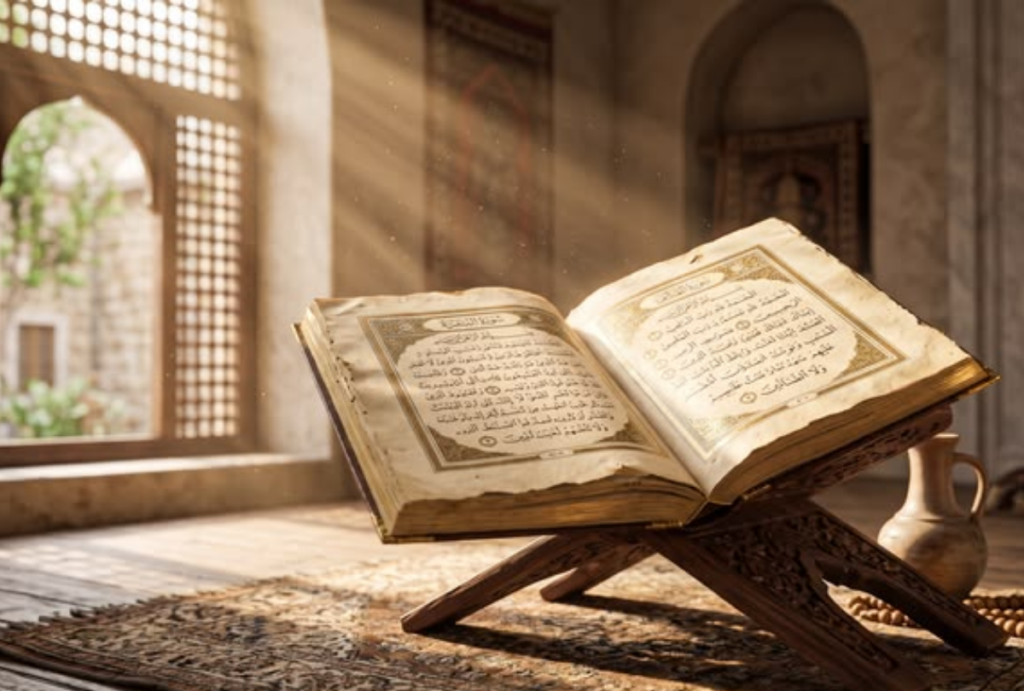
5 Quran Verses About Knowledge and What They Teach Us
Knowledge is one of the greatest blessings Allah (swt) has given humanity. Through knowledge, we strengthen our faith, deepen our understanding of…
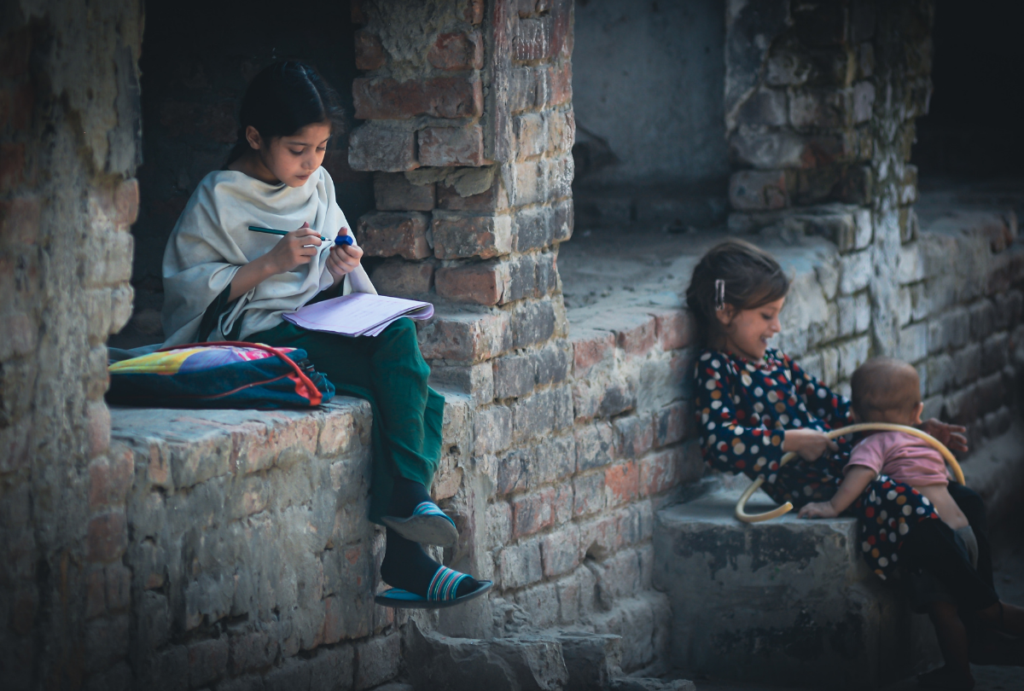
Education in Crisis: When Conflict Steals the Classroom
Conflict doesn't only destroy buildings—it can also steal a child's future. For millions of children around the world, war and displacement mean…