
How Imam Ali’s (as) justice shows up in everyday choices
Ramadan strips life down to essentials. Hunger reminds us that justice isn’t abstract – it’s personal.
Imam Ali (as) taught that true justice begins long before power or position.
It begins with self-discipline.
Living what you preach
Imam Ali (as) lived more simply than those he governed. He refused special treatment, returned public wealth, and held himself to the highest standard.
Justice, to him, meant never benefiting from imbalance.
Justice and wealth
Imam Ali (as) warned against wealth that circulates among only a few.
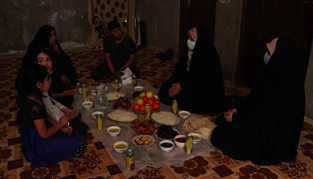
In Ramadan, giving food and water is not optional virtue – it is moral correction.
Allah (swt) says:
“Indeed, Allah commands justice, excellence, and giving to relatives.”
Surah An-Nahl, Verse 90
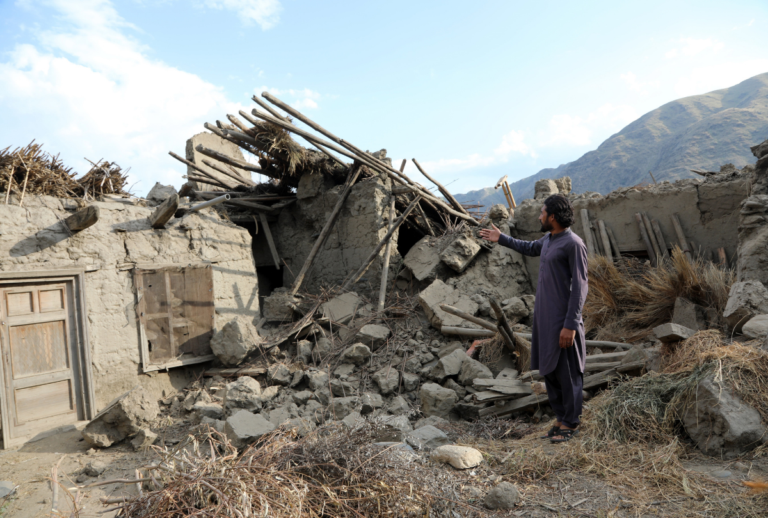
Food insecurity creates instability. Medical neglect collapses families.
Justice means intervening before damage becomes permanent.
Speech as a moral act
Imam Ali (as) taught that silence can be wiser than speech – and speech can be injustice if careless.
Justice means speaking truth with mercy and refusing to humiliate or divide.
Justice this Ramadan
To follow Imam Ali (as) this Ramadan is to make conscious choices: where money goes, how words land, and who benefits from our comfort.
Supporting food aid, water, and healthcare is justice in motion.
FAQ
That justice is lived daily through choices, not only declared in law.
Wealth is a trust and withholding it while others suffer is injustice.
Fasting sharpens awareness of inequality and responsibility.
By restoring balance and preventing social collapse.
Through fair spending, careful speech, and supporting those in need.