
Why serving zuwaar is an honor: Following the spirit of Imam Hussain (as) during Arbaeen
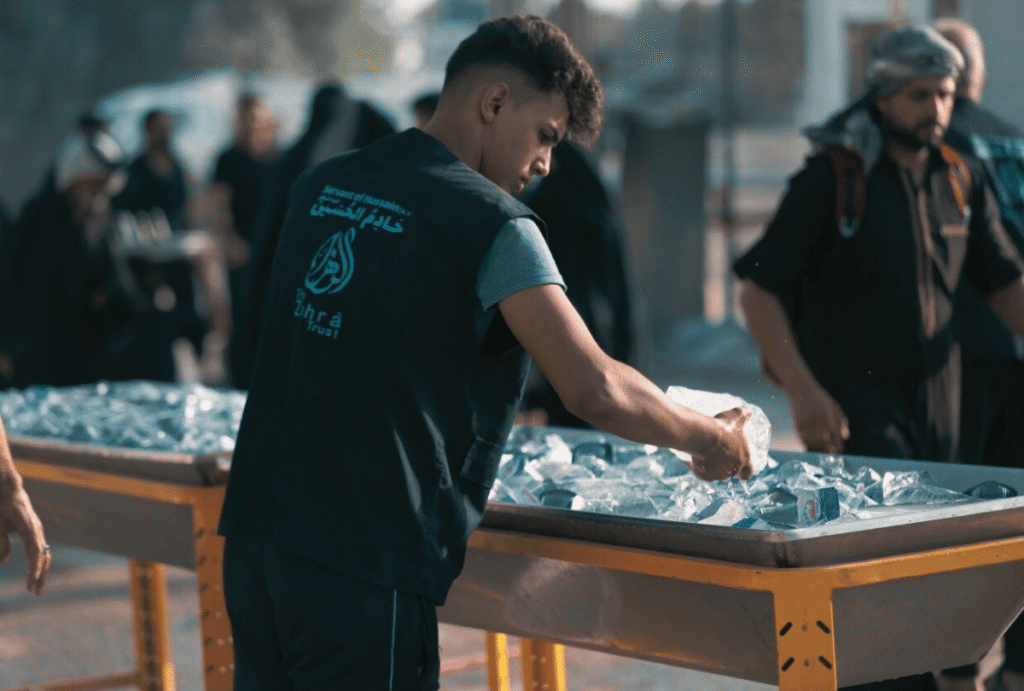
Every year, millions of believers travel to Karbala for Arbaeen, walking in remembrance of Imam Hussain (as) and his unwavering stand for truth and justice. Along the road from Najaf to Karbala, another inspiring journey unfolds alongside theirs – the journey of those who dedicate themselves to serving the zuwaar.
For many, this service is more than an act of kindness. It is an honor. Caring for the guests of Imam Hussain (as) is a privilege that allows believers to express their love for the Ahlulbayt (as) through sincere acts of generosity and compassion.
Allah (swt) says in the Holy Qur'an:
Every act of service during Arbaeen is an opportunity to seek the pleasure of Allah (swt) while honoring the legacy of Imam Hussain (as).
The guests of Imam Hussain (as)
For countless believers, the zuwaar of Karbala are not simply travelers making a long journey. They are regarded as the honored guests of Imam Hussain (as).
This understanding transforms every act of hospitality into an act of devotion. Offering a pilgrim a meal, a bottle of water, or a place to rest is seen as a way of serving the cause of Imam Hussain (as).
Throughout Arbaeen, this spirit of generosity can be seen everywhere. Volunteers from all walks of life dedicate their time, energy, and resources to making the pilgrimage easier for others, seeking nothing except the pleasure of Allah (swt).
Following the spirit of Karbala
The Arbaeen pilgrimage is unlike any other gathering in the world.
This extraordinary generosity reflects the message of Karbala.
Imam Hussain (as) gave everything for the sake of truth and humanity without seeking worldly reward. Those who serve during Arbaeen strive to follow his example by giving selflessly with compassion, humility, and sincerity.
Every act of service matters
Serving others does not always require a grand gesture.
Often, it is the smallest acts of kindness that have the greatest impact.
A bottle of water for someone who has walked for hours.
A warm meal after a long day on the road.
A place to sit and recover.
A welcoming smile.
These simple moments can ease a pilgrim's journey and become a source of immense reward in the sight of Allah (swt).
Arbaeen reminds us that no sincere act of kindness is ever too small.
Serving with gratitude
Those who volunteer during Arbaeen often say they receive far more than they give.
While they arrive intending to serve the zuwaar, they leave spiritually enriched by the experience.
Serving pilgrims becomes an opportunity to express gratitude to Imam Hussain (as) for his sacrifice and to participate in a tradition of generosity that has united believers for generations.
It is a reminder that true fulfillment is found not in what we receive, but in what we give for the sake of Allah (swt).
Keeping the legacy alive
At The Zahra Trust Mowkeb, volunteers come together every year to serve thousands of pilgrims making their way to Karbala.
Meals are prepared with care. Water is distributed with love. Rest areas are maintained with dignity, and every guest is welcomed with compassion and respect.
But this legacy of service does not end when Arbaeen is over.
Throughout the year, The Zahra Trust continues supporting vulnerable communities through humanitarian projects that reflect the same values of compassion, dignity, and selfless service inspired by Imam Hussain (as).
Continue serving beyond Arbaeen
The walk to Karbala lasts only a few days, but its lessons remain with us for a lifetime.
Serving the zuwaar reminds us that every sincere act of kindness can become an act of worship when it is performed for the sake of Allah (swt).
Together, we can continue honoring Imam Hussain (as) by serving humanity with compassion, humility, and unwavering faith.
Frequently asked questions
Why is serving zuwaar considered an honor?
Many believers consider the pilgrims of Karbala to be the honored guests of Imam Hussain (as). Serving them is viewed as a privilege because it demonstrates love for the Ahlulbayt (as) while seeking the pleasure of Allah (swt).
Who are the zuwaar?
"Zuwaar" is the Arabic word for visitors or pilgrims. During Arbaeen, it refers to the millions of believers who travel to Karbala to commemorate the sacrifice of Imam Hussain (as).
Why do people volunteer during Arbaeen?
Volunteers serve pilgrims out of devotion to Imam Hussain (as) and a desire to earn reward from Allah (swt). Their service reflects the Islamic values of generosity, hospitality, compassion, and selfless giving.
What services are provided to pilgrims during Arbaeen?
Mowkebs along the Najaf to Karbala route provide meals, clean drinking water, refreshments, accommodation, medical assistance, rest areas, and many other essential services free of charge.
What is The Zahra Trust Mowkeb?
The Zahra Trust Mowkeb is located at Pole 470 on the Najaf to Karbala route, where volunteers serve thousands of pilgrims during Arbaeen while supporting humanitarian programs throughout the year.
Does serving others bring reward in Islam?
Yes. The Qur'an and the teachings of the Ahlulbayt (as) emphasize caring for others, showing hospitality, and helping those in need. Every sincere act of kindness performed for the sake of Allah (swt) carries immense spiritual reward.
How can I support The Zahra Trust Mowkeb?
You can help by donating toward meals, water, medical support, and essential services for pilgrims during Arbaeen or by supporting The Zahra Trust's year-round humanitarian programs that continue serving vulnerable communities.
How does serving the zuwaar keep the message of Karbala alive?
Every act of service reflects the values that Imam Hussain (as) stood for—compassion, sacrifice, dignity, and generosity. By serving pilgrims and supporting those in need, believers continue to put the spirit of Karbala into action long after Arbaeen has ended.
More from Blog
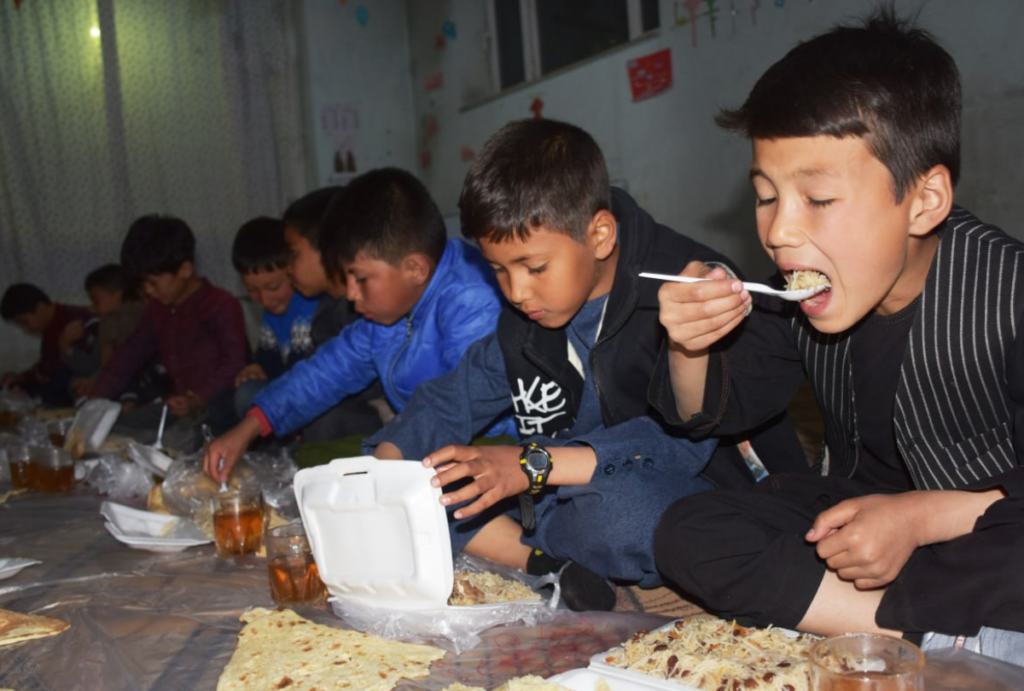
Why school meals matter more than you think
For many children, school represents more than a classroom. It is a place of safety, opportunity, and hope. For millions of children…
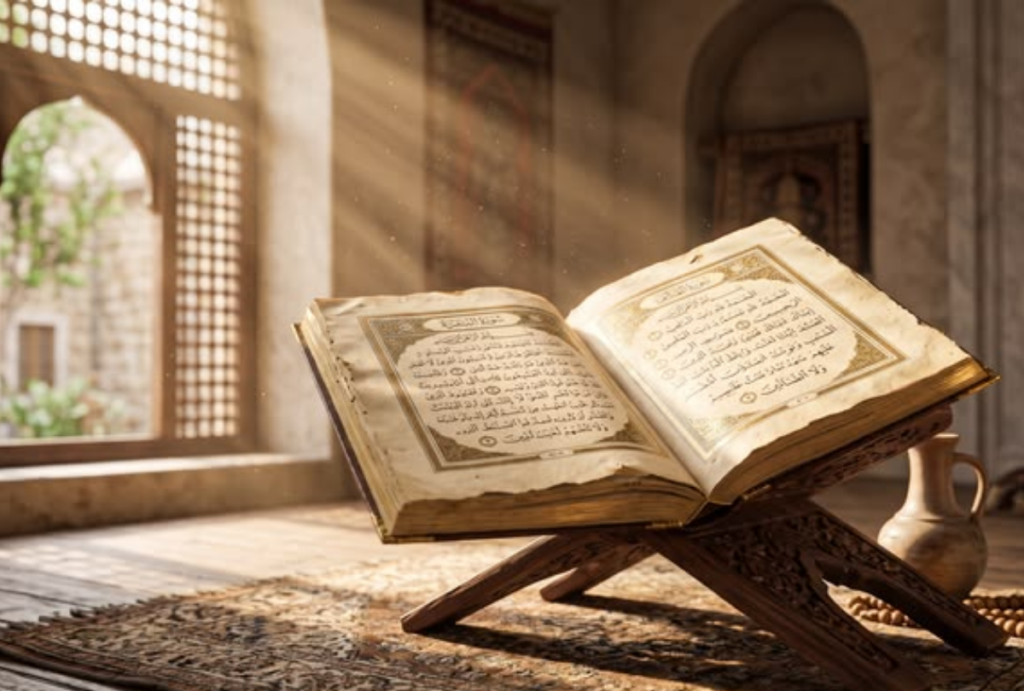
5 Quran Verses About Knowledge and What They Teach Us
Knowledge is one of the greatest blessings Allah (swt) has given humanity. Through knowledge, we strengthen our faith, deepen our understanding of…
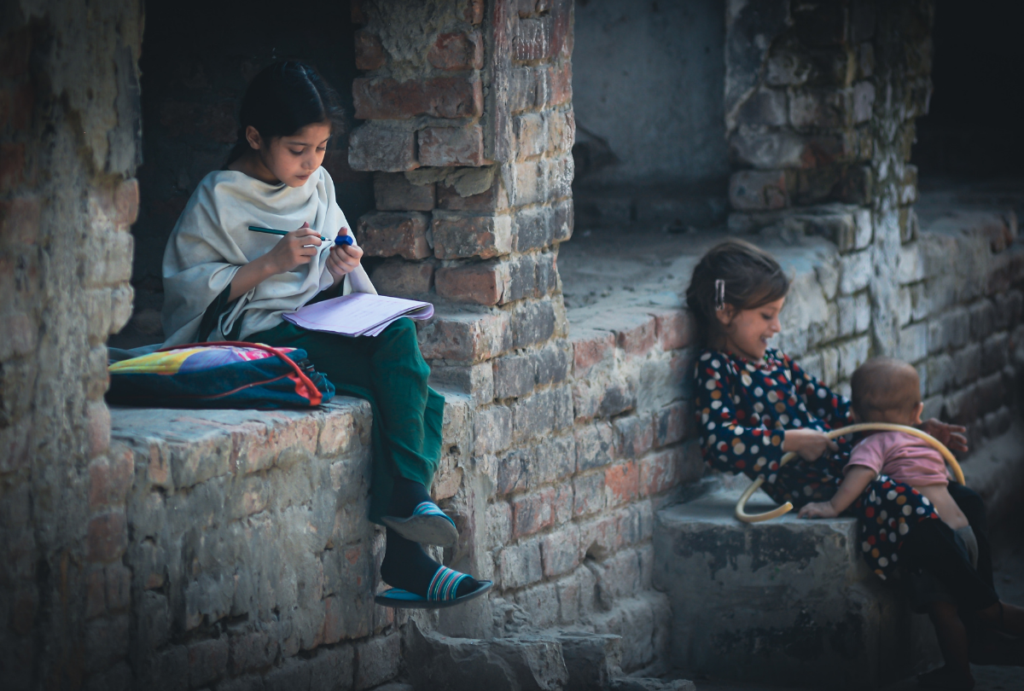
Education in Crisis: When Conflict Steals the Classroom
Conflict doesn't only destroy buildings—it can also steal a child's future. For millions of children around the world, war and displacement mean…