
Why do millions walk to Karbala? The meaning behind the world’s largest pilgrimage
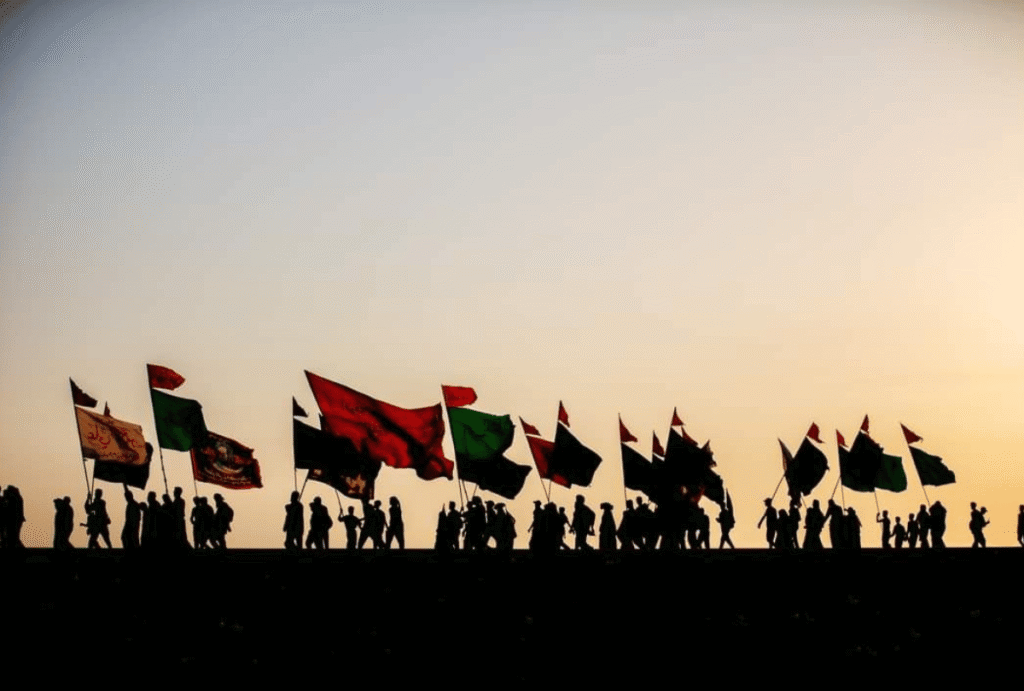
Every year, one of the most remarkable gatherings on earth takes place.
Millions of people leave their homes and begin a journey toward a single destination: Karbala. They walk for days, sometimes weeks, enduring heat, fatigue, and long distances.
To an outside observer, it may seem extraordinary. Why would so many people make such a journey?
For Shia Muslims around the world, the answer begins with Imam Hussain (as).
A journey rooted in love
The walk to Karbala is an act of devotion to Imam Hussain (as), the grandson of Prophet Muhammad (saww).
His sacrifice at Karbala was not simply a historical event. It was a stand against injustice and oppression that continues to inspire millions today.
Every step toward Karbala is an expression of love for the Ahlulbayt (as) and a reminder that their teachings continue to guide believers across generations.
Allah (swt) says in the Holy Quran:
“Say: I do not ask of you any reward for it except love for my near relatives.” (42:23)
For many pilgrims, the journey to Karbala is a powerful expression of that love.
Following the example of Imam Hussain (as)
Imam Hussain (as) refused to compromise with injustice.
At Karbala, he stood for truth, human dignity, and faith despite overwhelming opposition. His courage transformed history and created a legacy that continues to inspire people of all backgrounds.
Walking to Karbala allows believers to reflect on that sacrifice and renew their own commitment to living by those values.
The journey becomes a personal reminder that faith requires sincerity, courage, and action.
The spirit of service
Volunteers provide food, water, accommodation, transportation, and medical care free of charge. Communities spend months preparing to serve pilgrims, often using their own resources to help complete strangers.
This culture of selfless service reflects the values taught by the Ahlulbayt (as).
For many visitors, the generosity they witness along the route becomes one of the most memorable parts of the entire experience.
A global community united
People from every continent take part in the journey.
Pilgrims come from the United States, Iraq, Pakistan, Lebanon, Canada, Australia, the United Kingdom, Nigeria, and many other countries.
Despite speaking different languages and coming from different cultures, they walk together as one community united by their love for Imam Hussain (as).
The pilgrimage demonstrates the power of faith to bring people together around shared values and a shared purpose.
Keeping Karbala alive through action
The message of Karbala extends far beyond remembrance.
Imam Hussain (as) stood for justice, compassion, and defending the vulnerable. Honoring his legacy means striving to uphold those principles in our daily lives.
Supporting families in need, feeding the hungry, helping orphans, and investing in communities are all ways of carrying forward the mission that Imam Hussain (as) sacrificed everything to protect.
True remembrance inspires meaningful action.
The journey continues
Not everyone will be able to make the journey to Karbala.
But everyone can walk the path of Imam Hussain (as).
His teachings challenge us to serve others, stand against injustice, and show compassion to those facing hardship. Whether through worship, charity, or community service, every believer has the opportunity to keep his message alive.
Continue his legacy with The Zahra Trust USA
The millions who walk to Karbala each year demonstrate the enduring impact of Imam Hussain's (as) sacrifice.
Together, we can transform remembrance into action and help build a future rooted in dignity, compassion, and justice.
Frequently asked questions
Why do millions of people walk to Karbala?
Millions of people walk to Karbala to honor Imam Hussain (as), the grandson of Prophet Muhammad (saww), and commemorate his sacrifice during the events of Karbala. The journey is an act of devotion and a commitment to the values he defended.
What is Arbaeen?
Arbaeen marks the fortieth day after Ashura, the day Imam Hussain (as) was martyred. It is one of the most important commemorations in the Islamic calendar and is observed through pilgrimage, reflection, and remembrance.
How large is the Arbaeen pilgrimage?
Arbaeen is widely recognized as one of the largest annual religious gatherings in the world, attracting tens of millions of pilgrims to Karbala each year.
Why is Imam Hussain (as) important?
Imam Hussain (as) is revered for standing against oppression and refusing to accept injustice. His sacrifice serves as a timeless example of faith, courage, and moral leadership.
Is the walk to Karbala only for Iraqis?
No. Pilgrims travel from around the world to participate in the Arbaeen pilgrimage. People of many nationalities, ethnicities, and backgrounds join the journey every year.
Why do volunteers provide free services during Arbaeen?
Volunteers serve pilgrims as an expression of love for Imam Hussain (as) and a commitment to the values of generosity and compassion taught by the Ahlulbayt (as).
Can I honor Imam Hussain (as) without visiting Karbala?
Yes. Living according to the values of justice, service, compassion, and faith exemplified by Imam Hussain (as) is one of the most meaningful ways to honor his legacy.
How does The Zahra Trust USA support communities?
The Zahra Trust USA provides humanitarian assistance through food programs, healthcare initiatives, education projects, orphan support, and sustainable livelihood programs that empower vulnerable families worldwide.
More from Blog
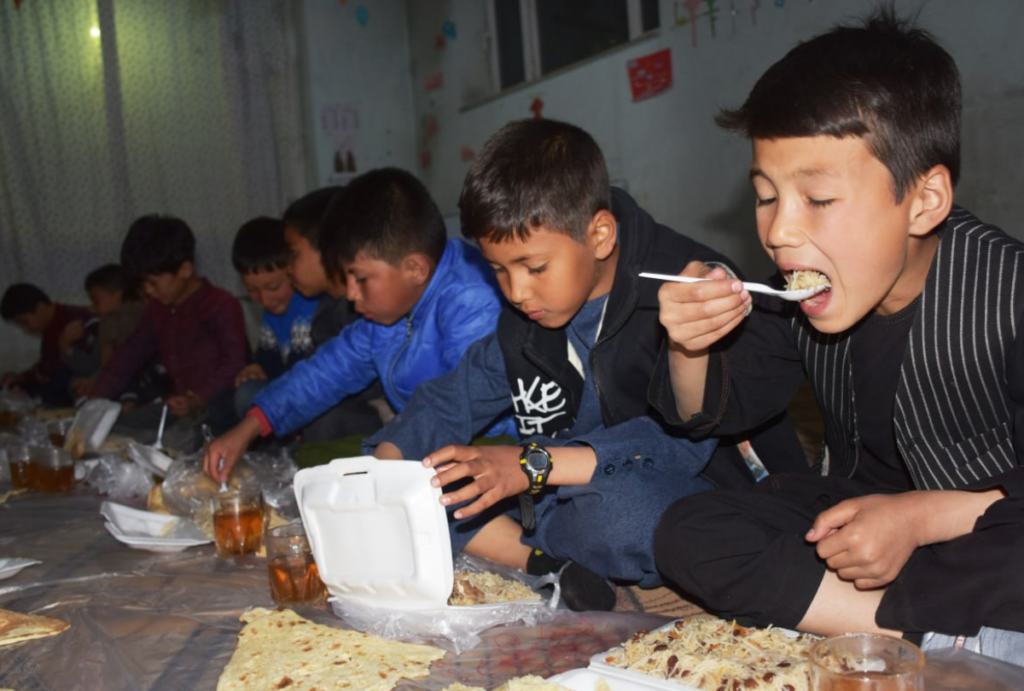
Why school meals matter more than you think
For many children, school represents more than a classroom. It is a place of safety, opportunity, and hope. For millions of children…
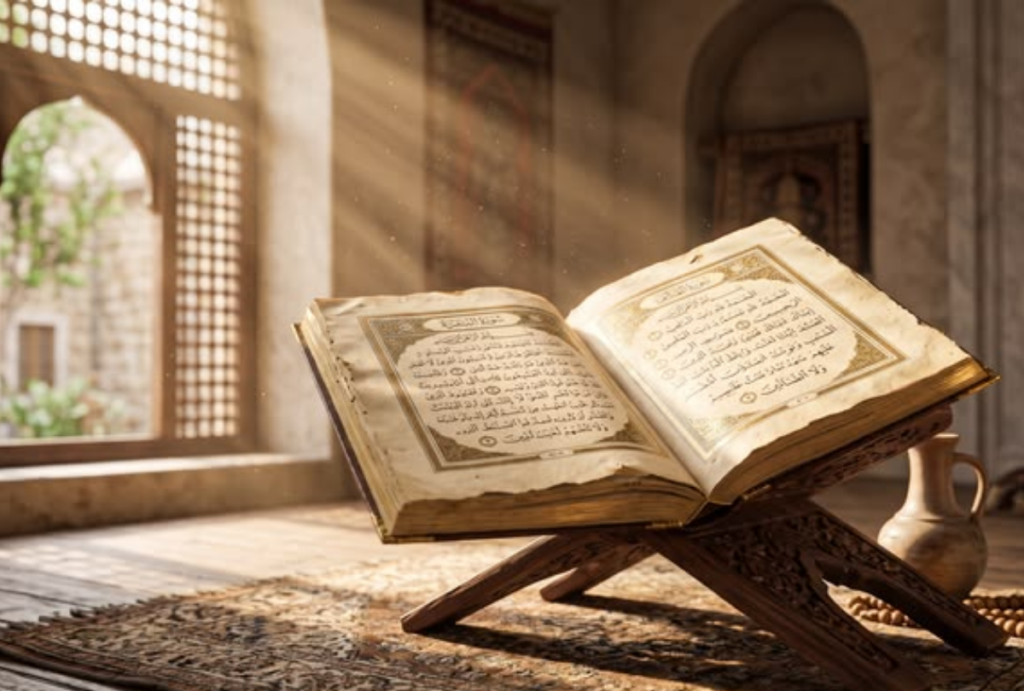
5 Quran Verses About Knowledge and What They Teach Us
Knowledge is one of the greatest blessings Allah (swt) has given humanity. Through knowledge, we strengthen our faith, deepen our understanding of…
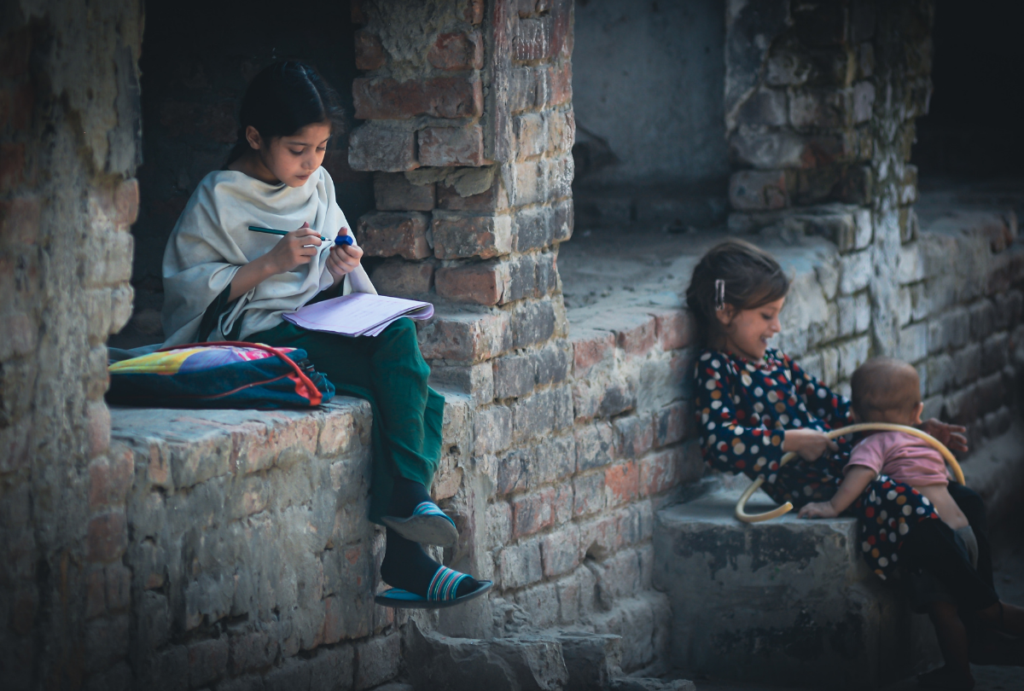
Education in Crisis: When Conflict Steals the Classroom
Conflict doesn't only destroy buildings—it can also steal a child's future. For millions of children around the world, war and displacement mean…