
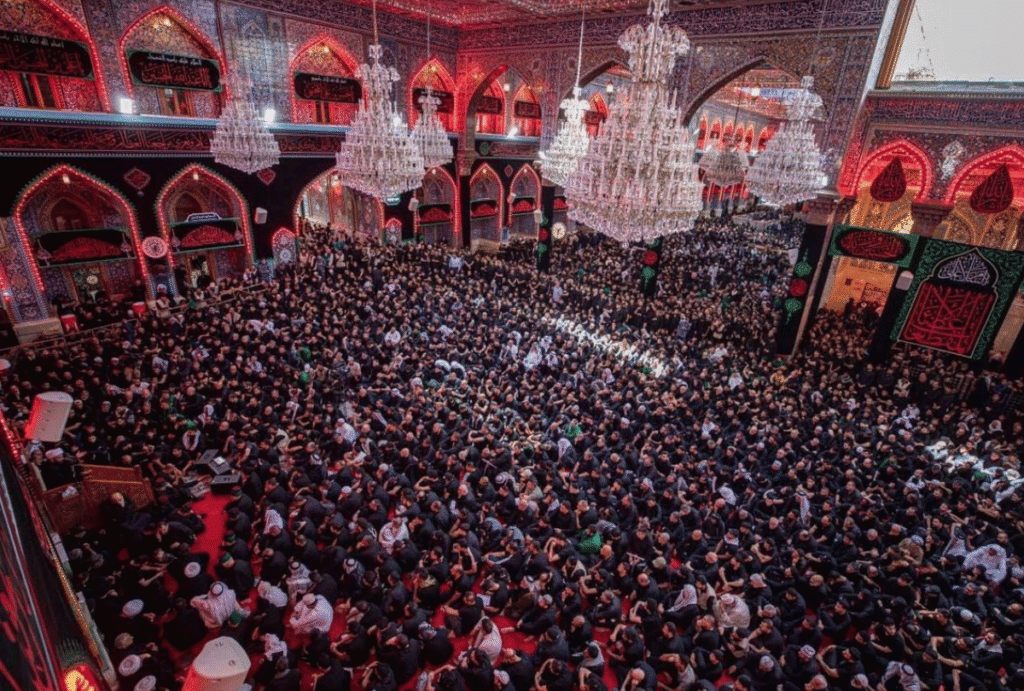
The Arbaeen journey is one of the most remarkable expressions of faith, devotion, and remembrance in the world. Each year, millions of people travel towards Karbala to honor Imam Hussain (as) and reflect on the sacrifice that shaped generations of believers.
Yet, Arbaeen is not simply a journey from one location to another. It is a movement of the heart, where every step carries meaning and every act of kindness reflects the values of Imam Hussain (as). Pilgrims walk with love, humility, and dedication, remembering the stand made at Karbala for truth, justice, and dignity.
What makes Arbaeen different from other journeys is the way it combines personal spirituality with collective service. People from different countries, cultures, and backgrounds come together with one shared purpose: to honor Imam Hussain (as) and continue the message of sacrifice and compassion.
The importance of love for the family of the Prophet (saww) is highlighted in the Quran:
For many Muslims, Arbaeen is a powerful expression of this love and a way to renew their connection with the Ahlulbayt (as).
Understanding the spiritual meaning of the Arbaeen journey
Arbaeen takes place forty days after Ashura, marking the conclusion of the mourning period following the martyrdom of Imam Hussain (as), his family, and his companions at Karbala.
The pilgrimage allows believers to remember the events of Karbala and reflect on the principles Imam Hussain (as) defended. His sacrifice represented courage, faith, and standing firmly against injustice, even in the face of overwhelming challenges.
For those who participate, the physical walk itself becomes part of the spiritual experience. Many pilgrims travel long distances on foot, enduring heat, tiredness, and difficult conditions. However, these challenges are embraced as a sign of devotion and commitment.
The journey is not focused only on hardship. Along the roads leading to Karbala, pilgrims experience incredible generosity through mawakib, volunteer stations where people provide food, water, accommodation, medical assistance, and other forms of support without expecting anything in return.
This spirit of giving reflects one of the central lessons of Karbala: serving others and protecting the dignity of those around us.
Millions united by one message
Arbaeen is among the largest annual religious gatherings in the world, bringing together millions of visitors from across the globe. However, its uniqueness is not only found in its size. It is found in the connection created between people who share a common purpose.
During the walk, differences such as nationality, language, social background, and age become secondary. A person travelling from one side of the world may walk alongside someone from a completely different background, united by their love for Imam Hussain (as).
This unity creates an atmosphere unlike many other gatherings. The focus is not on status, wealth, or personal recognition. Instead, the focus is on humility, remembrance, and service.
The Quran highlights the importance of honoring what Allah (swt) has made sacred:
For pilgrims, visiting Karbala and participating in Arbaeen is a meaningful act of reverence and devotion.
Serving others: The living spirit of Arbaeen
One of the most inspiring aspects of Arbaeen is the culture of service that surrounds the pilgrimage. Thousands of volunteers dedicate their time and resources to caring for pilgrims along the route.
Families welcome visitors into their homes. Volunteers prepare meals for strangers. Communities organize spaces where pilgrims can rest and recover. This generosity demonstrates the powerful connection between faith and action.
The tradition of serving others is deeply connected to the teachings of the Ahlulbayt (as). Imam Hussain’s (as) message was not only preserved through remembrance but also through the values that people continue to practice today.
The significance of visiting Imam Hussain (as) is emphasized in the narrations of the Ahlulbayt (as).
For believers, the pilgrimage to Karbala represents an opportunity for spiritual renewal and a deeper connection with Allah (swt).
Carrying forward the legacy of Imam Hussain (as)
The story of Imam Hussain (as) continues to inspire people because it represents values that remain relevant across generations. His stand at Karbala was a commitment to justice, truth, patience, and moral responsibility.
The Arbaeen walk allows believers to reflect on these values and consider how they can bring them into their own lives. The journey is not only about remembering the past; it is also about carrying forward a message of compassion and integrity.
The depth of grief and love associated with Imam Hussain (as) is reflected in the words of Imam al-Sadiq (as).
This narration highlights the profound impact of Imam Hussain’s (as) sacrifice and the lasting connection believers have with his mission.
Arbaeen transforms mourning into meaningful action. It encourages people to serve others, uphold justice, and remain committed to the values represented by Hussain (as).
Why Arbaeen continues to inspire millions
Many journeys involve reaching a destination, but Arbaeen represents something much deeper. It is a journey of faith, reflection, and transformation.
The pilgrimage has a special place within Islamic spirituality.
For believers, this narration highlights the importance of Arbaeen as a significant expression of faith and connection to Imam Hussain (as).
What makes Arbaeen unlike any other journey is the combination of remembrance and action. It brings together millions of people through shared devotion, while encouraging acts of kindness and service that continue beyond the pilgrimage itself.
Walking with Hussain (as): Continuing the spirit of Arbaeen
The Arbaeen journey is unlike any other because it represents more than reaching Karbala. It is a journey of devotion, loyalty, unity, and service inspired by Imam Hussain (as). Millions continue to walk towards him, carrying a message that remains alive through every act of kindness and sacrifice.
You can be part of this movement too. Let your giving walk beside them by supporting the people and communities serving this extraordinary journey. Together, we can continue the movement of Hussain (as) and help strengthen the spirit of service that defines Arbaeen.
Frequently asked questions
What is the Arbaeen journey?
The Arbaeen journey is an annual pilgrimage to Karbala that takes place forty days after Ashura. Millions of people participate to honor Imam Hussain (as), remember his sacrifice, and reaffirm their commitment to his message of justice and faith.
Why do people walk during Arbaeen?
People walk during Arbaeen as an act of devotion and remembrance. Each step represents loyalty to Imam Hussain (as) and a commitment to the principles he stood for, including courage, compassion, and truth.
How long is the Arbaeen Walk?
The distance depends on where pilgrims begin. Many people walk from Najaf to Karbala, a route of approximately 80 kilometers, while others travel much farther before reaching the shrine of Imam Hussain (as).
What makes Arbaeen different from other pilgrimages?
Arbaeen combines a major religious gathering with personal reflection and community service. The generosity of volunteers, the unity among pilgrims, and the shared remembrance of Imam Hussain (as) create a unique experience.
Who can participate in Arbaeen?
People from many backgrounds participate in Arbaeen. While it is especially significant for Shia Muslims, the universal message of Imam Hussain (as), including justice and standing against oppression, resonates with many people.
How can people support Arbaeen if they cannot attend?
Those who cannot travel can still support the spirit of Arbaeen by contributing to initiatives that assist pilgrims and communities serving the journey. Giving support helps continue the tradition of generosity connected to Imam Hussain (as).
More from Blog
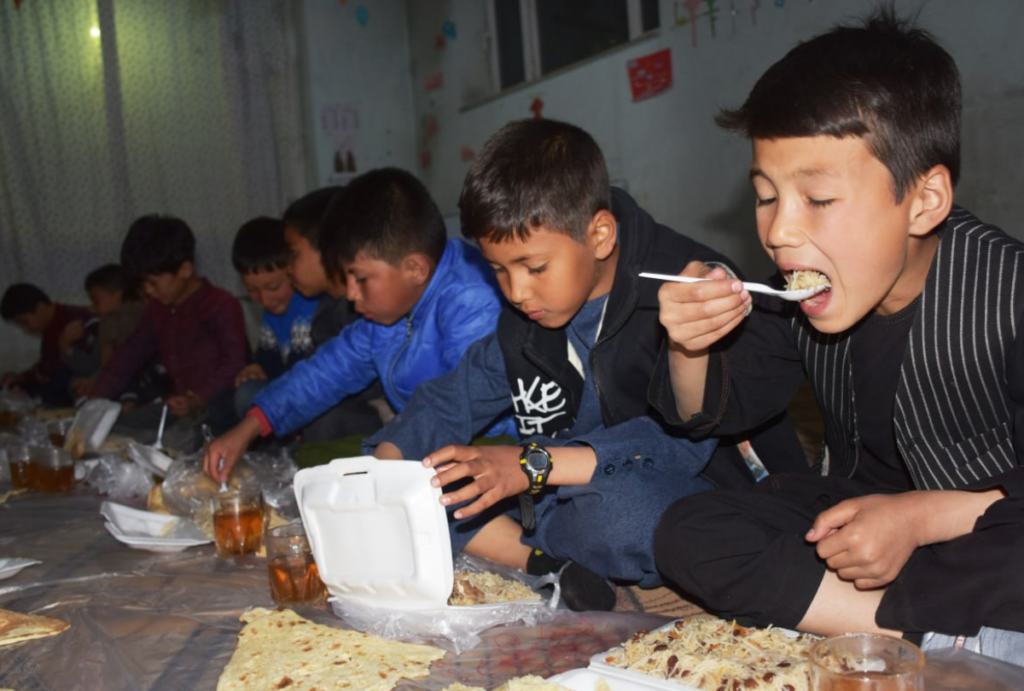
Why school meals matter more than you think
For many children, school represents more than a classroom. It is a place of safety, opportunity, and hope. For millions of children…
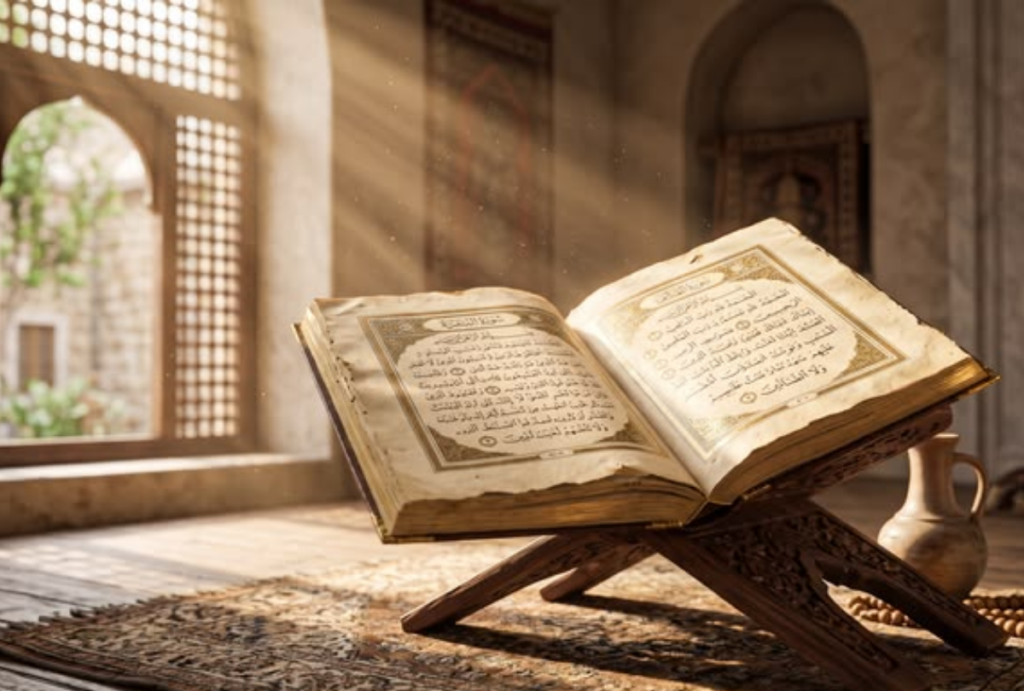
5 Quran Verses About Knowledge and What They Teach Us
Knowledge is one of the greatest blessings Allah (swt) has given humanity. Through knowledge, we strengthen our faith, deepen our understanding of…
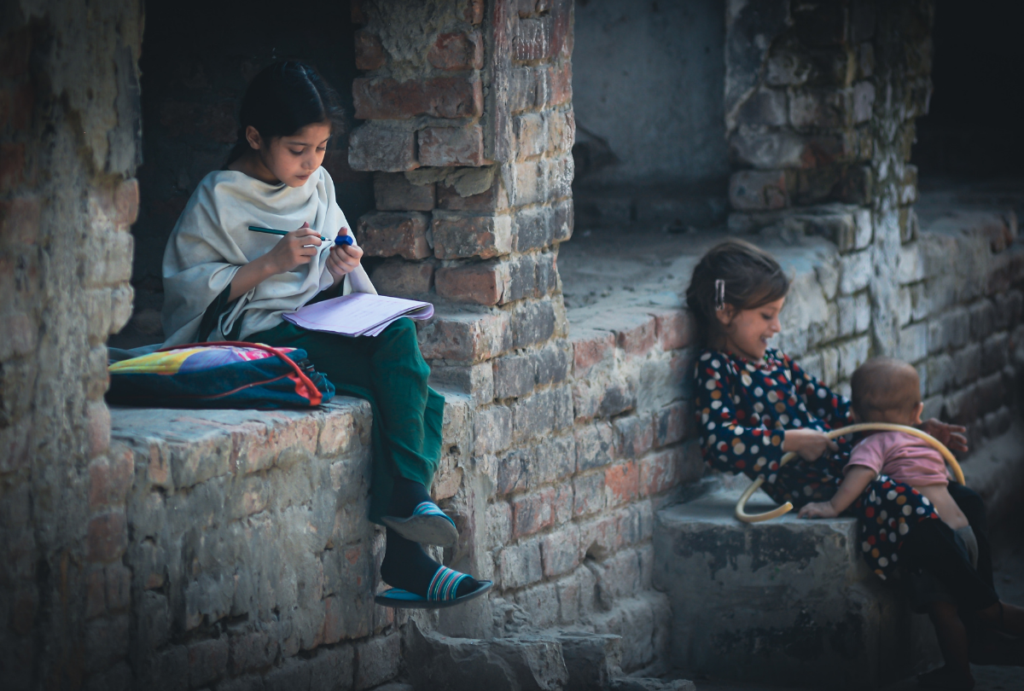
Education in Crisis: When Conflict Steals the Classroom
Conflict doesn't only destroy buildings—it can also steal a child's future. For millions of children around the world, war and displacement mean…