
In a world where most actions are measured by return, recognition, or reward, Islam presents a radically different understanding of service. True value lies not in what we gain from others, but in what we give sincerely for the sake of Allah (swt), without expecting anything back.
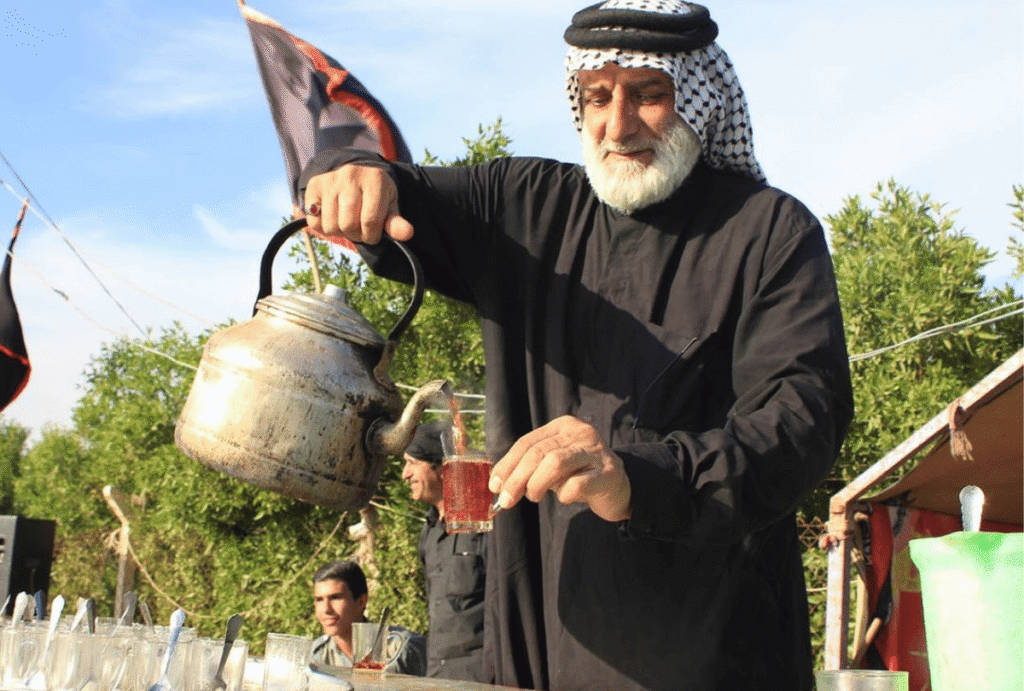
Every year, Arbaeen brings this principle to life on a global scale. Millions of pilgrims travel to Karbala, while countless volunteers open their homes, kitchens, clinics, and hearts to serve them. Food is shared, water is distributed, shelter is offered, and care is given freely. No contracts, no payments, no expectations of repayment. Only devotion, sincerity, and love for Imam Hussain (as).
Arbaeen becomes a living reminder that khdimah (service) in Islam is not transactional. It is spiritual, transformative, and deeply rooted in intention.
A culture of giving without limits
Along the Arbaeen route, generosity is not reserved for those who have excess. Many families spend months saving from modest incomes just to host pilgrims. Some even give from what they themselves need, prioritizing the guests of Aba Abdillah (as) over their own comfort.
This reflects a powerful Quranic principle:
The message is clear. What is given for Allah (swt) is never lost. It is multiplied beyond human calculation.
Arbaeen shows this in action. People give not because they expect return, but because they trust the promise of Allah (swt).
Sincerity over visibility
One of the most powerful lessons of Arbaeen is that good deeds are not about being seen. They are about being sincere. Some acts are public, others are hidden, but both are accepted when the intention is pure.
Allah (swt) says:
Imam al-Sadiq (as) has also reportedly to have said:
Arbaeen volunteers embody this ethic. Many serve anonymously, not seeking recognition, but seeking nearness to Allah (swt).
When expectations become a barrier
Islam also warns against letting expectations shape our actions. When we serve while expecting praise or repayment, even sincere deeds can lose their purity.
Imam Ali (as) has reportedly said:
"There is no end to expectation." (Ghurar al-Hikam, n.1010)
He has also reportedly said:
"The fruit of expectation is the spoilage of deeds." (Ghurar al-Hikam, n.4641)
And in another narration, he has also reportedly said:
"A man who has high expectations is deficient in his action." (Bihar al-Anwar, v.77, p.421, n.40)
Expectation shifts focus from Allah (swt) to people. It makes service fragile, dependent on response rather than rooted in faith.
Arbaeen teaches the opposite. Service continues even when no one is watching and no one is repaying it.
The Ahlulbayt (as) model of giving
The Ahlulbayt (as) provide the highest example of selfless service. Their lives were marked by giving without expectation, even when they themselves were in need.
One of the most well-known examples is the household of Imam Ali (as), Lady Fatima al-Zahra (sa), Imam Hassan (as), and Imam Hussain (as). After fasting, they gave away their food for three consecutive nights to those in need, prioritizing others over themselves.
Their actions reflected complete sincerity and trust in Allah (swt). They served others without seeking gratitude, recognition, or any worldly return. Their example captures the very spirit that fills the roads of Arbaeen today, where countless volunteers dedicate themselves to serving pilgrims purely for the sake of Allah (swt) and out of love for Imam Hussain (as).
Imam al-Baqir (as) has also reportedly advised:
"Equip yourself with low expectation for this world's life." (Tuhaf al-Uqul, n.286)
Lowering expectations of this world strengthens sincerity and frees the heart to serve purely for Allah (swt).
Living the spirit of Arbaeen beyond the journey
Arbaeen is not only a pilgrimage. It is a lesson in how life itself should be lived. Every believer can carry its values into daily actions.
Selfless service can be as simple as helping someone in need, giving quietly in charity, volunteering time, supporting vulnerable families, or showing kindness without recognition. What matters is intention.
Allah (swt) says:
This consistency of giving reflects a heart connected to Allah (swt) rather than people.
Arbaeen calls us to live with that same mindset wherever we are.
Serve the path of Hussain (as)
The journey to Karbala is carried not only by those who walk it, but also by those who serve it. Behind every pilgrim are thousands of people providing food, shelter, medical care, and safety through mowkebs and community support.
Supporting these efforts ensures that the spirit of Arbaeen continues to reach millions. It helps sustain those who dedicate their time, wealth, and energy to serving the zuwar purely for the sake of Allah (swt).
By giving, your charity becomes part of the same path of devotion, helping others serve without expectation and continue a legacy rooted in sacrifice, humility, and love for Allah (swt).
Frequently asked questions
What does Arbaeen teach us about selfless service?
Arbaeen shows that true service is done solely for the sake of Allah (swt), without expecting payment, praise, or recognition. Volunteers serve pilgrims with food, shelter, and care as an act of devotion and love for Imam Hussain (as).
Why is sincerity important when serving others in Islam?
Sincerity ensures that actions are accepted by Allah (swt). Islam teaches that charity should be given for His sake alone, not for status or recognition, as intention determines the true value of a deed.
How can I practice selfless service in my daily life?
You can practice selfless service by helping others quietly and consistently, whether through charity, volunteering, supporting neighbours, or small acts of kindness done purely for the sake of Allah (swt).
How does supporting Arbaeen services continue the message of Imam Hussain (as)?
Supporting Arbaeen services helps sustain the mowkebs and volunteers who care for millions of pilgrims. It continues the legacy of Imam Hussain (as) by enabling service, sacrifice, and hospitality on a global scale.
More from Blog
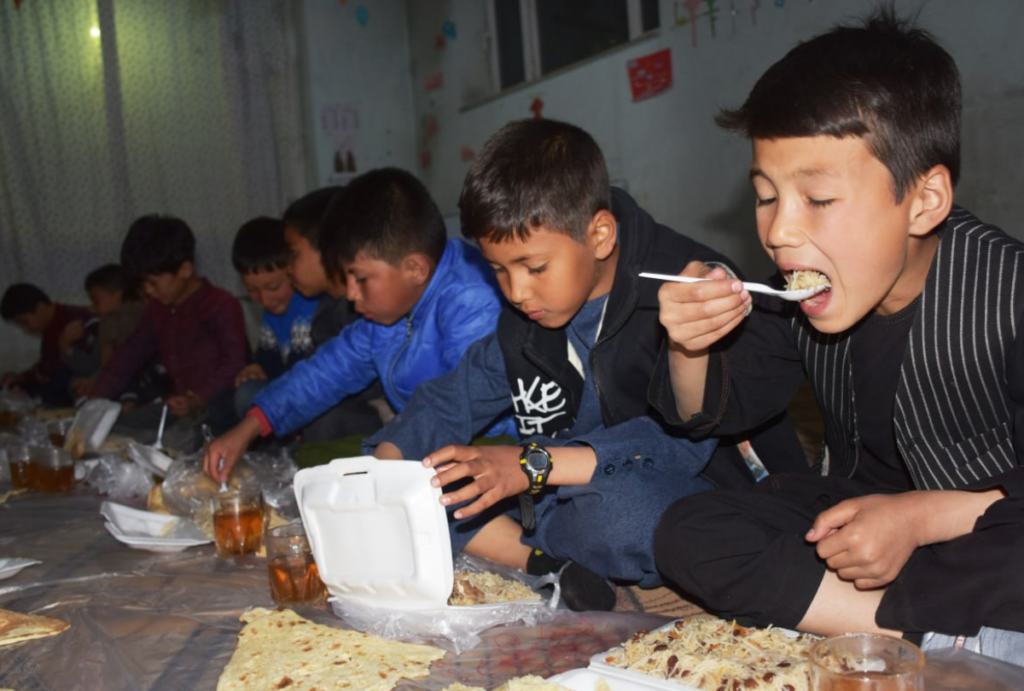
Why school meals matter more than you think
For many children, school represents more than a classroom. It is a place of safety, opportunity, and hope. For millions of children…
5 Quran Verses About Knowledge and What They Teach Us
Knowledge is one of the greatest blessings Allah (swt) has given humanity. Through knowledge, we strengthen our faith, deepen our understanding of…
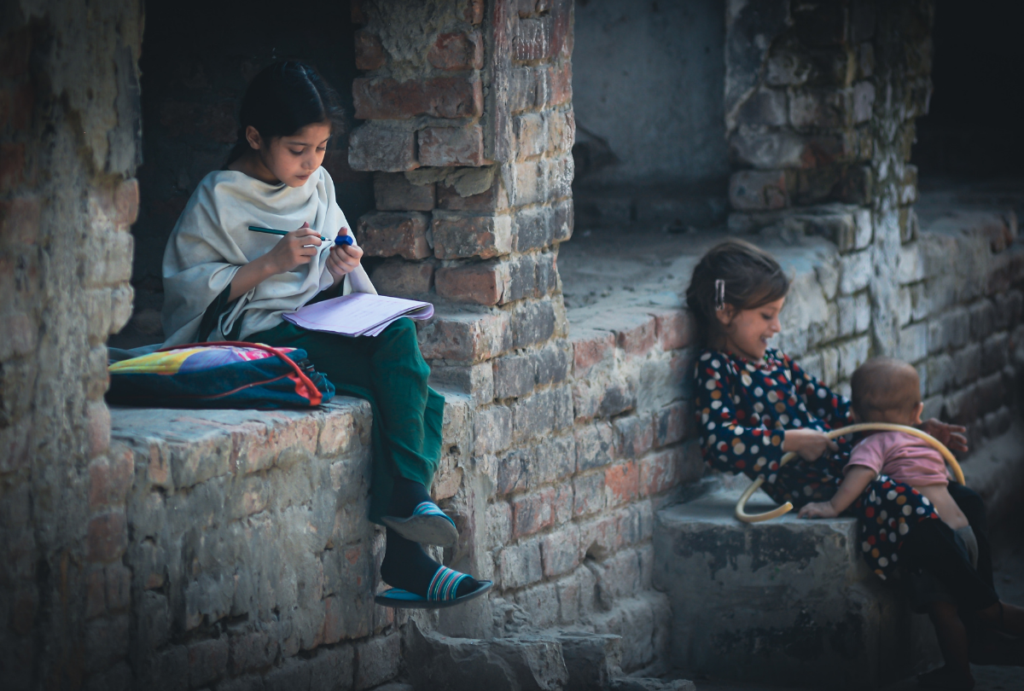
Education in Crisis: When Conflict Steals the Classroom
Conflict doesn't only destroy buildings—it can also steal a child's future. For millions of children around the world, war and displacement mean…