
Lessons From Imam Sajjad (as): Rebuilding After Hardship Through Faith, Patience and Service

The story of Karbala is often remembered through sacrifice.
We remember the courage of Imam Hussain (as), the loyalty of his companions, and the suffering endured by the family of the Prophet Muhammad (saww). Yet after the tragedy of Ashura came another challenge that is sometimes overlooked.
How do you move forward after profound loss?
How do you rebuild a community after experiencing unimaginable hardship?
How do you preserve hope when grief touches every part of life?
For the Muslim community, the answer can be found in the life of Imam Ali ibn Hussain (as), known as Imam Sajjad (as) and Imam Zain al-Abidin (as).
As the surviving Imam after Karbala, he carried the immense responsibility of preserving the message of Imam Hussain (as) and helping a wounded community recover. Through faith, patience, worship, knowledge, and service, he demonstrated that hardship does not have to define the future.
His life remains a powerful example for believers seeking strength during difficult times.
The Imam Who Survived Karbala
Imam Sajjad (as) was present in Karbala during the events of Ashura.
Due to severe illness, he was unable to participate in the battle itself. Following the martyrdom of Imam Hussain (as), he became the next Imam and inherited the responsibility of guiding the Muslim community through one of the darkest periods in its history.
The tragedy had left deep wounds.
The family of the Prophet (saww) had suffered immense loss.
Fear and oppression had spread throughout society.
Many people struggled to understand how such injustice could have taken place.
Yet despite these challenges, Imam Sajjad (as) remained steadfast in his faith and committed to preserving the truth.
Allah (swt) says in the Holy Qur'an:
"And do not weaken and do not grieve, and you will be superior if you are true believers." (3:139)
The life of Imam Sajjad (as) demonstrates what it means to embody this message through perseverance, faith, and trust in Allah (swt).
Strength After Hardship
The events of Karbala showed extraordinary physical courage.
The life of Imam Sajjad (as) revealed another form of strength.
The strength to endure.
The strength to remain faithful despite suffering.
The strength to continue serving others while carrying personal grief.
After Karbala, Imam Sajjad (as) faced challenges that could easily have led to despair. Instead, he remained focused on preserving the message of Islam and supporting those around him.
His example teaches believers that resilience is not the absence of pain.
Rather, resilience means continuing to move forward while remaining connected to faith, purpose, and hope.
Many people today face hardships of their own, including financial difficulties, illness, family struggles, loss, and uncertainty.
The life of Imam Sajjad (as) reminds us that hardship does not have the final word. Through faith in Allah (swt), it is possible to rebuild and find strength again.
Patience With Purpose
Patience was one of the defining characteristics of Imam Sajjad (as).
However, his example teaches us that patience is far more than simply waiting for difficulties to pass.
In Islam, patience means remaining steadfast while continuing to pursue what is right.
It means trusting Allah (swt) while taking meaningful action.
Imam Sajjad (as) demonstrated this throughout his life.
Despite living under political oppression and facing constant challenges, he continued educating others, preserving religious knowledge, and guiding the community.
He never allowed hardship to prevent him from fulfilling his responsibilities.
His life reminds us that patience should inspire action.
Believers are called to persevere through challenges while continuing to support others, strengthen their communities, and work toward positive change.
Healing Through Faith
One of the most remarkable aspects of Imam Sajjad's (as) legacy is his deep devotion to worship.
Through worship, he found strength during a period marked by grief and hardship.
He also helped others find healing through faith.
His collection of supplications, known as Sahifa Sajjadiyya, continues to inspire Muslims around the world.
These prayers address themes including gratitude, trust in Allah (swt), forgiveness, compassion, justice, and perseverance.
They remind believers that healing is not only emotional or physical.
It is also spiritual.
When people turn to Allah (swt) through prayer and reflection, they often discover strength they did not know they possessed.
Faith provides a foundation that helps believers navigate life's challenges with hope and purpose.
Rebuilding Through Knowledge and Compassion
Following Karbala, Imam Sajjad (as) focused on rebuilding the Muslim community through education and service.
He understood that lasting recovery requires more than surviving hardship.
It requires growth.
Through teaching and mentorship, he helped preserve the teachings of Islam and the legacy of the Ahlulbayt (as) for future generations.
His impact can still be felt today through the knowledge he transmitted and the students he inspired.
At the same time, Imam Sajjad (as) became known for his compassion toward vulnerable people.
Historical reports describe how he regularly supported widows, orphans, and families experiencing hardship.
Often, those receiving assistance did not know who had helped them until after his passing.
His example teaches us that rebuilding communities begins by caring for people.
When we support education, provide opportunities, and help those facing hardship, we strengthen entire communities.
A Legacy That Continues Today
More than thirteen centuries after his passing, Imam Sajjad (as) continues to inspire believers around the world.
His teachings offer valuable guidance for communities facing modern challenges.
Millions of people continue to experience poverty, displacement, conflict, and uncertainty.
Families struggle to recover from crises.
Communities work to rebuild after hardship.
The example of Imam Sajjad (as) reminds us that meaningful change begins with faith, patience, knowledge, and compassion.
His life teaches us that even after the darkest moments, hope remains possible.
Recovery remains possible.
Positive change remains possible.
Carry Forward the Legacy of Imam Sajjad (as)
Through humanitarian assistance, educational initiatives, healthcare programs, livelihood support, and aid for vulnerable families, communities can rebuild stronger futures.
This Muharram, honor the legacy of Imam Sajjad (as) through action.
Support those facing hardship.
Invest in education.
Help families rebuild their lives.
Restore hope where it is needed most.
Together, we can carry forward the example of Imam Sajjad (as) by serving others with faith, resilience, and compassion.
Frequently Asked Questions
Who was Imam Sajjad (as)?
Imam Sajjad (as), also known as Imam Ali ibn Hussain (as) and Imam Zain al-Abidin (as), was the fourth Imam from the Ahlulbayt (as) and the son of Imam Hussain (as).
Was Imam Sajjad (as) present at Karbala?
Yes. Imam Sajjad (as) was present during the events of Karbala but was unable to participate in the battle because he was severely ill. He survived and later became the Imam after the martyrdom of Imam Hussain (as).
Why is Imam Sajjad (as) important in Islamic history?
Imam Sajjad (as) preserved the message of Karbala, guided the Muslim community after Ashura, and played a crucial role in safeguarding the teachings of Islam and the Ahlulbayt (as).
What does Imam Sajjad (as) teach us about hardship?
His life teaches believers to remain patient, maintain faith in Allah (swt), and continue working toward positive change even after experiencing significant loss or adversity.
What is Sahifa Sajjadiyya?
Sahifa Sajjadiyya is a collection of supplications attributed to Imam Sajjad (as). It is regarded as one of the most important spiritual works in Islamic tradition.
What is the Islamic meaning of patience?
Patience, or sabr, means remaining steadfast in faith while continuing to pursue what is right despite challenges, hardship, or delay.
How did Imam Sajjad (as) help rebuild the Muslim community?
He rebuilt the community through education, spiritual guidance, worship, charitable support, and preserving the teachings of Islam during a difficult period of history.
How can we follow the example of Imam Sajjad (as) today?
We can follow his example by strengthening our relationship with Allah (swt), supporting vulnerable people, investing in education, showing compassion, and helping communities recover from hardship.
More from Blog
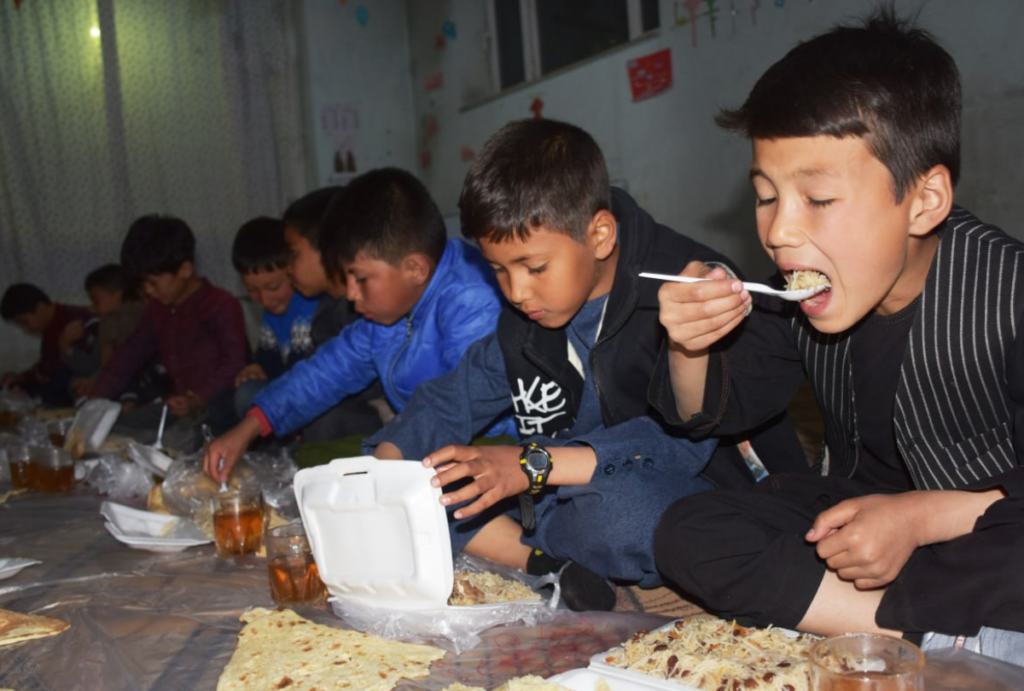
Why school meals matter more than you think
For many children, school represents more than a classroom. It is a place of safety, opportunity, and hope. For millions of children…
5 Quran Verses About Knowledge and What They Teach Us
Knowledge is one of the greatest blessings Allah (swt) has given humanity. Through knowledge, we strengthen our faith, deepen our understanding of…
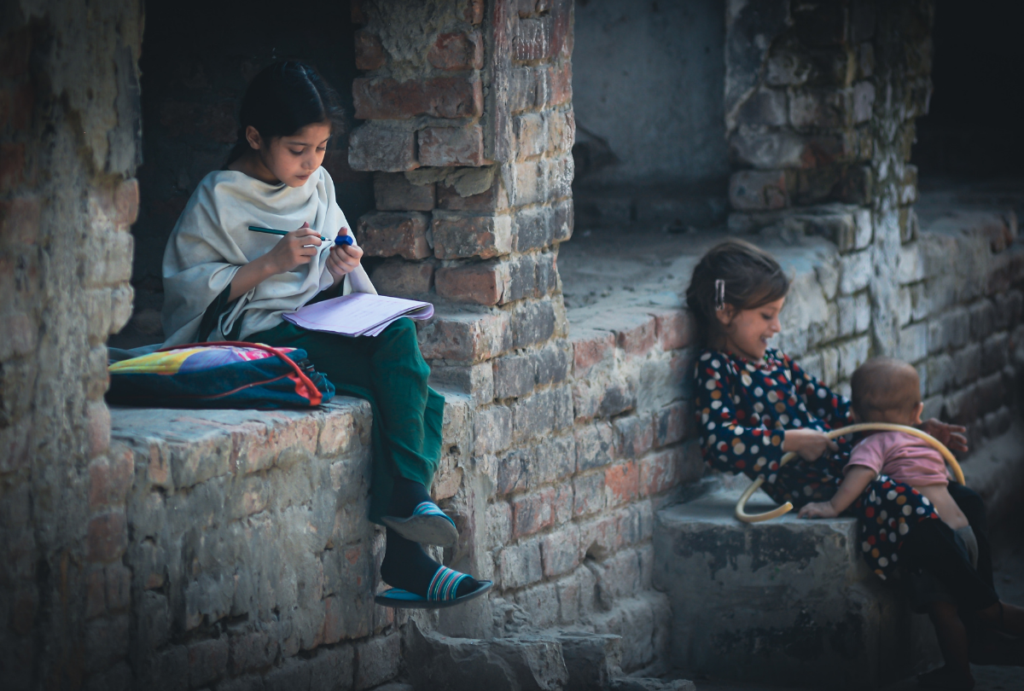
Education in Crisis: When Conflict Steals the Classroom
Conflict doesn't only destroy buildings—it can also steal a child's future. For millions of children around the world, war and displacement mean…