
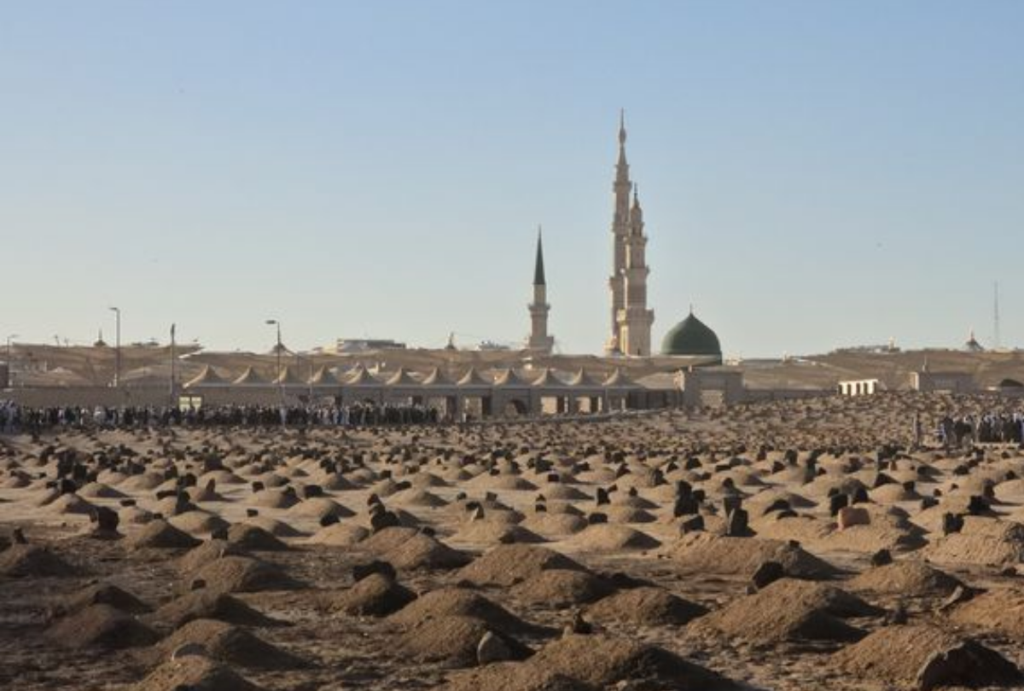
“Every soul shall taste death…”
Surah Aal-e- Imran, Ayah 185
Grief can hit suddenly, leaving you feeling lost, empty, and unsure of how to move forward. In Islam, death is not just an ending—it’s a return to Allah (swt).
For Muslims, faith offers a powerful way to process grief while staying spiritually grounded.
At The Zahra Trust, we understand that loss is never easy – but you don’t have to face it alone.
Seeing death through an Islamic lens
In Islam, life is temporary, and the hereafter is eternal. This belief brings comfort, reminding us that our loved ones are not gone forever.
In our tradition, reflecting on the hardships of the Ahlulbayt (as), especially Karbala, helps us understand that suffering has purpose.
Crying and feeling pain are natural. The Prophet (saww) himself grieved. Your emotions are valid.
Some practical ways to handle grief include:
- Make dua regularly
- Read the Qur’an
- Attend majlis
- Lean on your community
The power of patience
Sabr is about endurance and trust. It’s not about ignoring grief but working through it with faith in Allah’s (swt) plan.
Honoring loved ones
Giving charity, making dua, and doing good deeds in their name keeps their memory alive.
FAQs
Islam teaches that grief is natural and encourages patience, prayer, and trust in Allah’s (swt) plan.
Yes, expressing sadness is allowed. The Prophet Muhammad (saww) showed that grieving is part of human nature.
Turn to prayer, recite Qur’an, and seek support from family and community.
Be present, listen, offer practical help, and include them in community support systems.
Yes, including dua, charity (sadaqah), and attending majlis.
Grief may lessen over time, but faith helps transform it into patience and acceptance.
More from Blog
Knowledge as Sadaqah Jariyah: Why supporting education is a lasting legacy
Every believer hopes to leave behind a legacy that continues to earn the pleasure of Allah (swt). While many acts of charity…
Why school meals matter more than you think
For many children, school represents more than a classroom. It is a place of safety, opportunity, and hope. For millions of children…
5 Quran Verses About Knowledge and What They Teach Us
Knowledge is one of the greatest blessings Allah (swt) has given humanity. Through knowledge, we strengthen our faith, deepen our understanding of…