A meal can feed a family for a day.
Emergency aid can provide relief during a crisis.
But one opportunity can change a life forever.
For millions of vulnerable people around the world, poverty is not simply a lack of resources. It can also mean a lack of opportunity. Skills training helps address both. By equipping people with practical abilities and sustainable ways to earn an income, it restores confidence, independence, and dignity.
More than a new skill
When someone learns a skill, they gain much more than technical knowledge.
They gain confidence in their own abilities. They gain the opportunity to provide for their family. They gain the freedom that comes from earning a living through their own efforts.
For widows, vulnerable women, and struggling families, this can be life-changing.
Allah (swt) says in the Holy Quran:
“And that there is not for man except that [good] for which he strives.” (53:39)
This verse reminds us that dignity is closely connected to effort, growth, and the opportunity to build a better future.
A path out of poverty
Many families facing hardship want the same thing: the chance to stand on their own feet.
Skills training helps make that possible.
By learning practical trades and vocational skills, individuals can generate income, support their households, and create greater financial stability. These opportunities help reduce dependence on aid and create pathways toward long-term self-sufficiency.
Rather than only addressing immediate needs, skills training helps tackle poverty at its roots.
From dependence to independence
One of the greatest benefits of vocational training is the transition from dependence to independence.
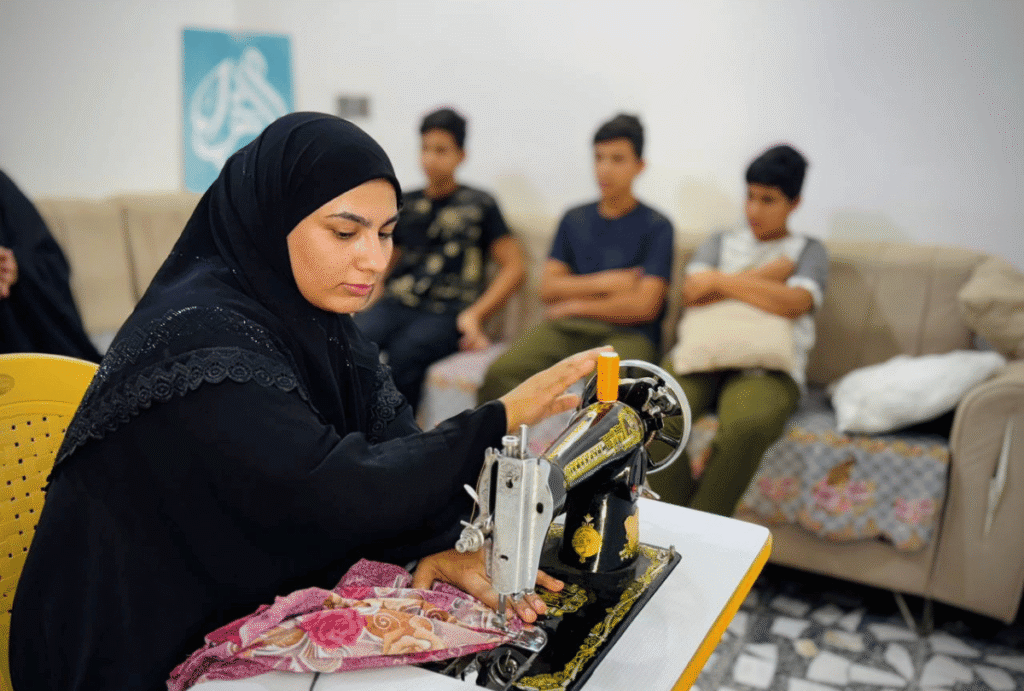
Whether through tailoring, handicrafts, literacy education, business development, or other livelihood programs, participants gain practical tools that can continue benefiting them for years.
The ability to earn an income often brings renewed confidence and a stronger sense of purpose.
Instead of relying entirely on assistance, families gain the ability to support themselves and plan for the future.
Strengthening families and communities
The impact of skills training reaches far beyond the individual.
When one person gains a reliable source of income, entire families benefit. Children are more likely to access education, healthcare, and nutritious food. Households become more resilient during difficult times.
Communities benefit as well.
Small businesses grow, local economies strengthen, and opportunities expand for future generations.
Restoring hope through opportunity
Poverty can affect more than finances.
It can limit opportunities, undermine confidence, and create uncertainty about the future.
Skills training restores hope by helping people see new possibilities. It gives individuals the tools to shape their own future rather than feeling trapped by their circumstances.
The opportunity to earn, contribute, and succeed can be transformative.
Turning support into lasting change
At The Zahra Trust USA, we believe aid should do more than meet immediate needs.
Emergency assistance remains essential, but sustainable change requires long-term solutions. That is why we invest in vocational training and livelihood initiatives that empower vulnerable individuals to build independent futures.
When people gain skills, they gain opportunity. When they gain opportunity, entire communities become stronger.
Help build self-sufficient futures
Skills training transforms lives by turning support into opportunity.
Through vocational education, livelihood programs, and economic empowerment initiatives, The Zahra Trust USA helps vulnerable families build sustainable futures rooted in dignity and independence.
Together, we can help create lasting change that continues for generations.
Frequently asked questions
What is skills training?
Skills training refers to vocational and educational programs that teach practical abilities such as tailoring, handicrafts, literacy, business skills, and other trades that can help individuals earn a sustainable income.
How does skills training restore dignity?
Skills training gives people the ability to support themselves and their families through their own efforts, helping restore confidence, independence, and self-respect.
Why are livelihood programs important?
Livelihood programs help individuals create sustainable sources of income, reducing long-term dependence on aid and increasing financial stability.
Who benefits from vocational training?
Widows, vulnerable women, low-income families, displaced communities, and individuals facing barriers to employment often benefit from vocational training opportunities.
How does skills training reduce poverty?
Skills training increases access to employment and self-employment opportunities, helping people earn an income and improve their long-term financial situation.
What kinds of skills does The Zahra Trust teach?
Programs may include tailoring, handicrafts, literacy education, vocational trades, business development, and other livelihood-focused skills.
How does skills training strengthen communities?
When individuals earn sustainable incomes, families become more secure, local economies grow, and communities become more resilient.
How does The Zahra Trust USA support sustainable livelihoods?
The Zahra Trust USA invests in vocational training, livelihood development, and economic empowerment programs that help vulnerable families build brighter futures.
More from Blog
Why school meals matter more than you think
For many children, school represents more than a classroom. It is a place of safety, opportunity, and hope. For millions of children…
5 Quran Verses About Knowledge and What They Teach Us
Knowledge is one of the greatest blessings Allah (swt) has given humanity. Through knowledge, we strengthen our faith, deepen our understanding of…
Education in Crisis: When Conflict Steals the Classroom
Conflict doesn't only destroy buildings—it can also steal a child's future. For millions of children around the world, war and displacement mean…