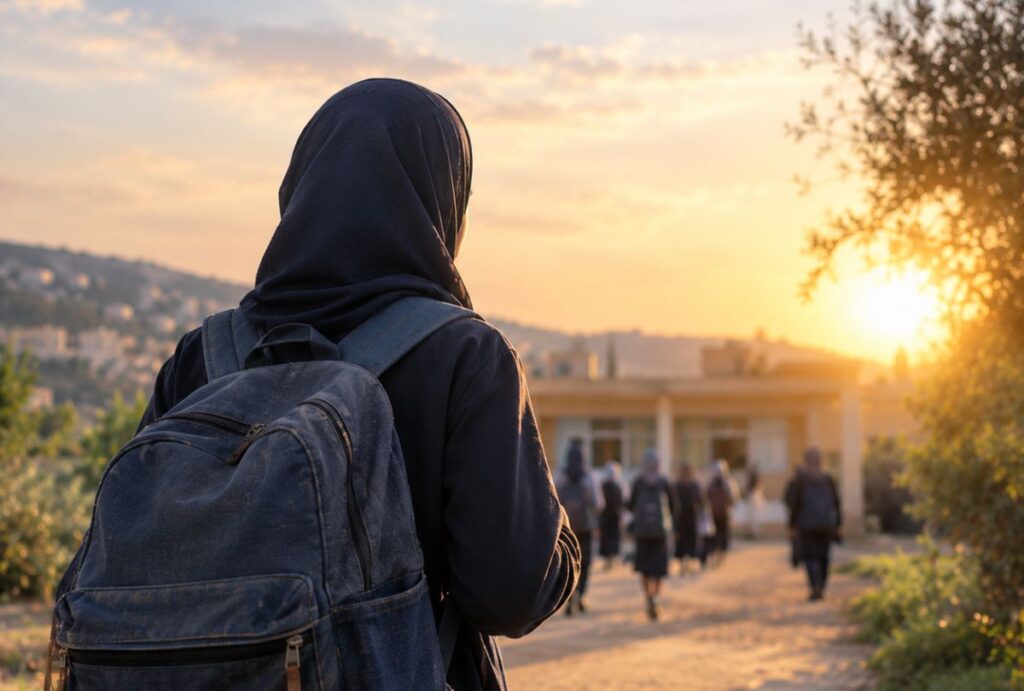
Every child’s educational journey starts with an opportunity to enter the classroom. Yet for children growing up in poverty, that opportunity can be difficult to access.
The challenge is not always a lack of motivation or potential. Sometimes, it is the cost of a school uniform, a backpack, books, supplies, transportation, tuition or a nutritious meal. When a family is already struggling to meet basic needs, these expenses can become significant barriers to education.
An education donation can help address some of those barriers.
Providing practical support can give children the opportunity to attend school, participate in lessons and approach the school year with a greater sense of confidence and dignity. What begins with something as simple as a backpack or school meal can become part of a much longer journey toward learning and independence.
The Quran highlights the importance of seeking knowledge:
Education is a journey built over time. Each school day, lesson and new skill can become another step towards what comes next.
Removing the Barriers to School
Before a child can think about graduation, they first need a way to get through the school doors.
For families experiencing financial hardship, preparing a child for school can involve expenses that extend well beyond tuition. A child may need appropriate clothing, school supplies, food and other essentials to attend and participate comfortably.
Education support can help provide or contribute toward:
- Back-to-school essentials such as backpacks, uniforms and school supplies
- School fees and tuition assistance
- Nutritious meals and food support for children
- Hygiene support and essential resources
- Books, learning materials and educational tools
- Suitable and safe places to learn
- Assistance for children who face additional barriers to accessing education
Addressing one need will not eliminate every challenge a child may encounter. It can nevertheless make an important next step possible.
Starting the school year with the supplies they need can help a child feel prepared and included. Instead of worrying about what they are missing, they can focus on being part of the classroom and engaging with their education.
From Attendance to Meaningful Learning
Being enrolled in school is only the beginning. Children also need the resources and support that allow them to learn effectively.
Reading, writing, mathematics, communication and problem-solving are foundational skills that can shape a child’s educational development. Teachers, learning materials, appropriate facilities and a supportive environment all play a role in turning school attendance into meaningful learning.
UNESCO reported that 251 million children and young people were out of school globally, while the upper-secondary completion rate reached 59% in 2023. The figures demonstrate that access to and completion of education remain significant global challenges.
A child’s ability to learn can also be affected by circumstances outside the classroom. Hunger, for example, can make it harder to concentrate and participate during lessons. Child food aid can therefore complement educational assistance by helping address an immediate need that may otherwise interfere with a child’s school experience.
An education donation can help create the conditions that allow children to pursue that knowledge. Whether the support takes the form of school supplies, food, fees or other educational resources, each contribution can play a role in helping a child continue learning.
Knowledge, Confidence and Future Opportunity
The value of education reaches beyond grades and examinations.
As children grow, learning can help them develop communication skills, confidence, independence and the ability to make informed decisions. It can also prepare them to consider higher education, vocational training and different paths into employment.
Education is not a guarantee of a specific career, salary or life outcome. Every young person’s circumstances are different. What education can do is broaden the range of possibilities available to them and provide knowledge and skills they can draw upon as they move into adulthood.
Research from the World Bank connects education with areas including employment, earnings, health, poverty reduction and civic engagement. It has reported an average global increase of approximately 9 to 10% in earnings for every additional year of schooling, while noting that outcomes vary depending on factors such as location, education quality and labor-market conditions.
Within Islam, the pursuit of knowledge also carries deep significance.
Helping a child access education can therefore support more than their immediate academic needs. It can help them develop knowledge and capabilities that may remain useful throughout their lives.
The Ripple Effect Beyond Graduation
A child’s educational journey can continue to create benefits after the final school day.
A young adult who has developed knowledge, skills and confidence may go on to pursue additional education, enter the workforce, support their household or contribute to their community. Their impact can take many forms. They might become a teacher, healthcare professional, entrepreneur, community organizer or mentor.
Education can also influence the people around them.
A young person who has benefited from educational opportunities may be better positioned to share knowledge, support relatives and encourage younger children to remain in school. Their experiences can become an example for others who are facing similar challenges.
The Zahra Trust’s education work takes a holistic approach to supporting children, incorporating educational opportunities alongside wellbeing and skills development. Through the Back to School campaign, we have also shared the story of Mahdi, a former beneficiary who went on to qualify as a medical specialist and prepare to serve the community that supported him.
His journey demonstrates how educational support can become part of a much larger story. A child who receives assistance today may eventually use their education and skills to make a difference in the lives of others.
The Example of Ahlulbayt (as): A Legacy of Knowledge
The teachings associated with Ahlulbayt (as) offer a meaningful spiritual perspective on the value of knowledge and learning.
Knowledge can benefit the individual, but its value can extend much further when it is used to serve others and contribute to the wellbeing of society.
This provides a powerful way to consider the significance of supporting a child’s education. A donation may address an immediate need, but the knowledge and skills a child develops through education can remain with them for years to come.
The ripple effect can begin with one child and extend to their family, peers and wider community.
One Education Donation, Many Possibilities
A single donation does not need to cover every part of a child’s educational journey to have value. It can contribute to a broader network of support that helps a child move from one stage to the next.
Starting school: A backpack, uniform, books and school supplies can remove some of the immediate financial barriers to entering the classroom and help a child feel ready for the school year.
Staying in school: Assistance with tuition, meals, transportation and hygiene needs can help address challenges that may otherwise make regular attendance harder.
Learning well: Teachers, appropriate facilities and educational resources can help children build literacy, numeracy, communication skills and confidence.
Preparing for adulthood: Continued secondary education, digital learning and skills training can help strengthen pathways towards further study, vocational development and employment.
Giving back: The knowledge, experience and opportunities gained through education may later allow young adults to support their families and participate more fully in their communities.
The goal is not to suggest that one donation immediately transforms every aspect of a child’s life. Rather, one contribution can help provide something they need at an important point in their journey.
A school bag can help a child walk into the classroom prepared. Educational support can help them keep moving forward. With time, the knowledge they gain can open possibilities that extend well beyond graduation.
Supporting a child’s education can therefore be understood both as practical assistance and as an expression of the importance Islam places on seeking knowledge.
Help Remove the Barriers to Learning
A school bag should not decide a child’s future.
For many children, a backpack, school uniform, nutritious meal or school fee is not simply an item or expense. It can determine whether they are able to participate in school and begin the year with confidence.
Your support can help remove some of these barriers. Through education and well-being support, The Zahra Trust can help address practical needs that stand between children and the education they deserve.
Every child deserves a chance to learn.
Frequently Asked Questions
How can an education donation help a child?
An education donation can help with practical needs that may otherwise make school difficult to access or continue. Support can contribute toward uniforms, school supplies, tuition, food and other essentials, helping children participate in education with greater dignity and confidence.
Why is education important for children living in poverty?
Children living in poverty can face financial and practical obstacles that affect their ability to attend and complete school. Education can help them build knowledge, foundational skills and confidence while potentially creating more opportunities for further study, employment and participation in community life.
What can a school donation provide?
Depending on a child’s circumstances and the program providing support, a school donation may help cover backpacks, uniforms, books, stationery, tuition, food, hygiene needs and other educational resources.
Can one donation really make a difference?
A single donation cannot remove every difficulty a child may experience. However, it can help address one important barrier. Providing a school meal, uniform, educational resource or contribution toward school fees can become part of the support that helps a child enter or remain in education.
What is the long-term impact of supporting a child’s education?
Education can provide knowledge, skills and confidence that remain valuable beyond a child’s school years. These may support further education, employment and greater independence. Over time, a young person may also use their knowledge and experience to support their family and contribute to their community.
How can I help a child go back to school?
You can help by donating towards children’s education and wellbeing. Your contribution can help address some of the practical barriers children and families face when preparing for the school year.
More from Blog
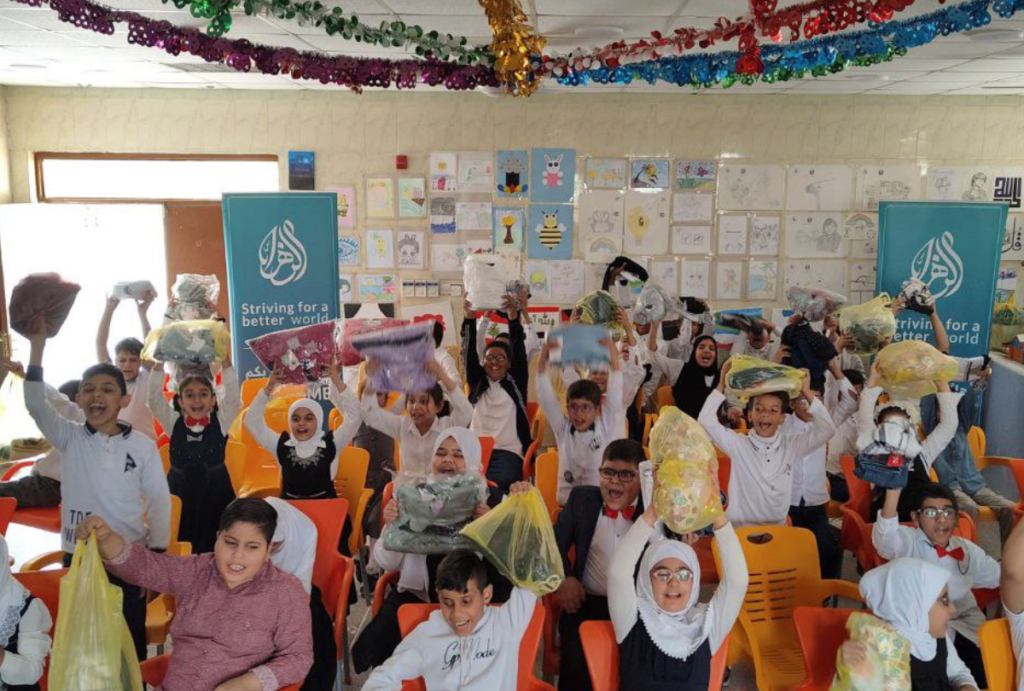
What’s Inside a Sponsored Classroom?
When most people picture a classroom, they think of desks, books, and a teacher leading a lesson. For a child facing poverty,…

Imam Hasan al-Askari (as): Preparing the next generation
The Wiladat of Imam Hasan al-Askari (as) offers believers an opportunity to reflect on the life of the eleventh Imam of the…

Our Responsibility to Take Care of the Earth
Discover what Islam teaches about caring for the Earth, clean schools and healthy communities. Learn how your support can help children thrive.