
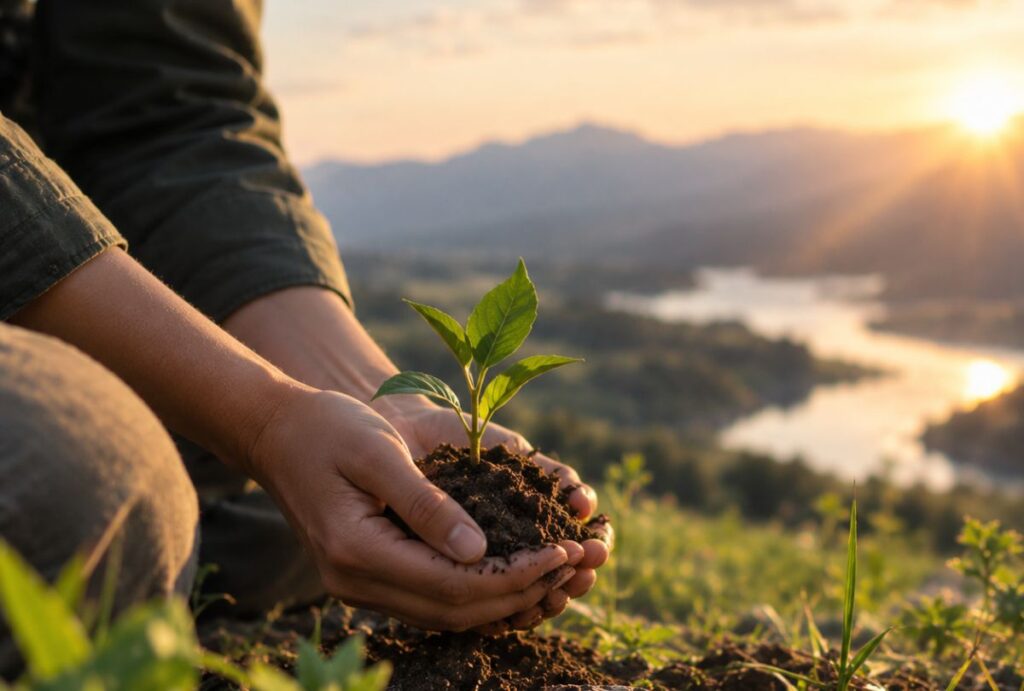
The Earth provides us with everything we need to live: water to drink, food to eat, air to breathe, and natural resources that support our communities. From an Islamic perspective, these blessings also come with responsibility.
We are not simply consumers of the world around us. We have been entrusted with caring for Allah’s (swt) creation and using its resources thoughtfully. That means considering how our choices affect the environment, other people, and generations to come.
Environmental responsibility can begin with everyday actions. Avoiding unnecessary waste, conserving water, keeping shared spaces clean, protecting plants and animals, and caring for the places where we live and learn are all meaningful ways to put these values into practice.
The Quran draws our attention to the consequences of human actions:
This verse encourages us to reflect on the relationship between our actions and the condition of the world around us. It reminds us that responsibility begins with recognizing the impact we can have.
Islamic Stewardship and Our Trust
The Islamic understanding of environmental responsibility is closely connected to khilafah, or stewardship. Human beings have been given a role of responsibility on Earth. This role is not simply about using what Allah (swt) has provided, but about caring for it with wisdom and accountability.
Another important concept is amanah, meaning a trust. The resources around us can be understood as a trust from Allah (swt), which means they should not be treated carelessly or wasted.
This perspective changes how we might think about everyday environmental choices. Saving water is not only a practical habit. Reducing waste is not merely a social trend. Keeping our surroundings clean is not simply about appearances. These actions can reflect our awareness of the trust placed in us.
The Quran says:
We are encouraged to benefit from Allah’s (swt) provision while avoiding actions that cause harm or disorder. Responsible use of resources is therefore part of appreciating the blessings we have been given.
Cleanliness, Health and Shared Spaces
Environmental care starts with the spaces we encounter every day. Our homes, schools, mosques, community centers, parks, and neighborhoods all contribute to the quality of life around us.
Clean environments are particularly important for children. A school that is clean, safe, and well-maintained gives students a more supportive setting in which to learn. It can also help promote healthy habits and a sense of respect for shared spaces.
This teaching gives cleanliness a deeper significance. Looking after a classroom, disposing of trash responsibly, and keeping communal areas hygienic are simple actions, but they contribute to dignity and wellbeing.
For vulnerable communities, access to clean and safe learning spaces can be especially meaningful. Children should have an environment where they can concentrate on their education without being held back by inadequate facilities.
Caring for Water and Allah’s (swt) Creation
Few things illustrate our dependence on Allah’s (swt) creation more clearly than water. It sustains human beings, animals, crops, and ecosystems. Yet it can easily be taken for granted when it is readily available.
The Quran describes water as a means through which Allah (swt) brings life back to the Earth:
This reminder can encourage us to approach water with gratitude and care. At home, in schools, and in places of worship, we can avoid unnecessary consumption, address leaks, and develop habits that reduce waste.
Caring for creation also includes the living things that share the Earth with us. Planting trees, protecting green spaces, and considering the needs of animals are examples of how environmental responsibility can extend beyond our immediate surroundings.
A tree can continue to benefit people and animals long after it is planted. This offers a powerful reminder that caring for creation can have an impact that extends beyond our own lifetime.
Building Healthy Communities Through Responsibility
Environmental responsibility is also a matter of community wellbeing. The quality of our surroundings can influence health, safety, dignity, and the opportunities available to people.
Pollution, excessive waste, poor sanitation, and the careless use of natural resources can affect entire neighborhoods. Communities therefore benefit when individuals recognize that their choices have consequences for others.
This is where environmental responsibility and social responsibility meet. A community clean-up, a school recycling initiative, a tree-planting project, or an effort to reduce food waste can bring people together around a shared purpose.
Schools can play an important role in this process. Children who learn to conserve resources and care for their surroundings can carry those habits into their homes and communities. Environmental education can help young people understand that they have a role in protecting the world they have inherited.
Through these small but consistent actions, communities can cultivate a stronger culture of amanah, responsibility, and care.
Making Environmental Responsibility Part of Everyday Life
Caring for the Earth does not have to begin with a major project. Meaningful change can start with ordinary decisions.
Families can be more conscious of food and water waste. Schools can introduce recycling programs, gardening projects, and environmental education. Mosques and community centers can look at ways to conserve water, reduce waste, and use resources responsibly.
Young people can also be given opportunities to participate. A school garden, neighborhood clean-up, or tree-planting day can turn Islamic environmental principles into practical experiences.
Our time and health are among the blessings we have been given. Using them constructively can include serving our communities and contributing to healthier environments for others.
Environmental responsibility is not about perfection. It is about becoming more conscious of our choices and finding practical ways to act on the values our faith teaches.
Creating Schools Where Children Can Thrive
The responsibility to care for our surroundings naturally extends to the responsibility to care for people.
For a child, the learning environment can shape their entire experience of education. A classroom is where children learn to read, develop confidence, ask questions, make friends, and begin to imagine what they can achieve.
But in many vulnerable communities, classrooms do not have the resources needed to provide children with the learning environment they deserve. A lack of classroom resources, learning materials, technology, or safe and supportive spaces can create barriers even when children have access to school.
Supporting a classroom can therefore have an impact that reaches far beyond a single student. When a classroom is equipped to support learning, every child who enters that space can benefit.
This connects closely with the principles of Islamic stewardship. Caring for the world means caring for the spaces we share, while caring for communities means helping people have the conditions they need to thrive.
A clean and supportive classroom is one part of building a healthier community. It gives children a place where education can take root and where their potential can grow.
Our Responsibility to Future Generations
Environmental responsibility asks us to think beyond the present moment.
The choices we make today can influence the people who come after us. When we conserve resources, reduce waste, protect nature, and support healthy communities, we contribute to a better environment for future generations.
Islamic teachings offer a framework for approaching this responsibility. Khilafah reminds us of our role as stewards. Amanah reminds us that what we have been given carries a trust. Teachings on cleanliness, moderation, and avoiding harm encourage us to consider how our actions affect the world around us.
This perspective can also shape how we think about education. Investing in children and creating places where they can learn safely and confidently is an investment in the future of an entire community.
Our responsibility is therefore both environmental and human. We are called to care for creation while helping build communities where people can live, learn, and grow with dignity.
Caring for the Earth, Strengthening Communities
Taking care of the Earth is about more than protecting natural resources. It is about recognizing our responsibility to Allah (swt), to one another, and to those who will come after us.
Every action has the potential to contribute. Conserving water respects a precious provision. Planting a tree can benefit people, animals, and future generations. Keeping schools clean can help create healthier spaces for children. Supporting well-equipped classrooms can give students the opportunity to learn and thrive.
A classroom can be more than four walls. It can be where a child learns to read, where confidence begins, where questions are encouraged, and where dreams begin to feel possible.
When you support a classroom, you support every child who learns within it. Your contribution can help provide safe learning spaces, classroom resources, learning materials, and technology for children who need them.
Support our work at The Zahra Trust and help create learning environments where children can learn with dignity and communities can grow stronger.
Frequently Asked Questions
What does Islam teach about caring for the Earth?
Islam teaches that people have a responsibility to look after Allah’s (swt) creation. The concepts of khilafah, or stewardship, and amanah, or trust, encourage us to use natural resources responsibly and avoid causing unnecessary harm. Caring for our surroundings can therefore be a practical expression of faith.
Why is environmental responsibility important in Islam?
Environmental responsibility matters because the way we use the world around us can affect other people, animals, and future generations. Islamic teachings emphasize cleanliness, moderation, avoiding waste, and preventing harm. Looking after the environment is therefore connected to our wider responsibilities as Muslims.
How can schools help promote environmental responsibility?
Schools can give children practical opportunities to learn about caring for the environment. Recycling programs, tree-planting activities, school gardens, water conservation, and lessons about Islamic stewardship can all help. Maintaining clean and safe classrooms also teaches children to respect shared spaces.
What is the connection between clean schools and healthy communities?
Schools are an important part of the communities they serve. Providing children with clean, safe, and supportive learning spaces can contribute to their wellbeing and help them engage more fully with education. When children have the resources they need to learn, they can also grow into confident members of their communities.
How can I help care for the environment in my community?
You can start with practical actions such as reducing waste, conserving water, planting trees, caring for public spaces, and participating in local clean-up activities. You can also support initiatives that provide children with safe, well-equipped classrooms. Helping create better learning environments is one way to strengthen both children and the wider community.
More from Blog
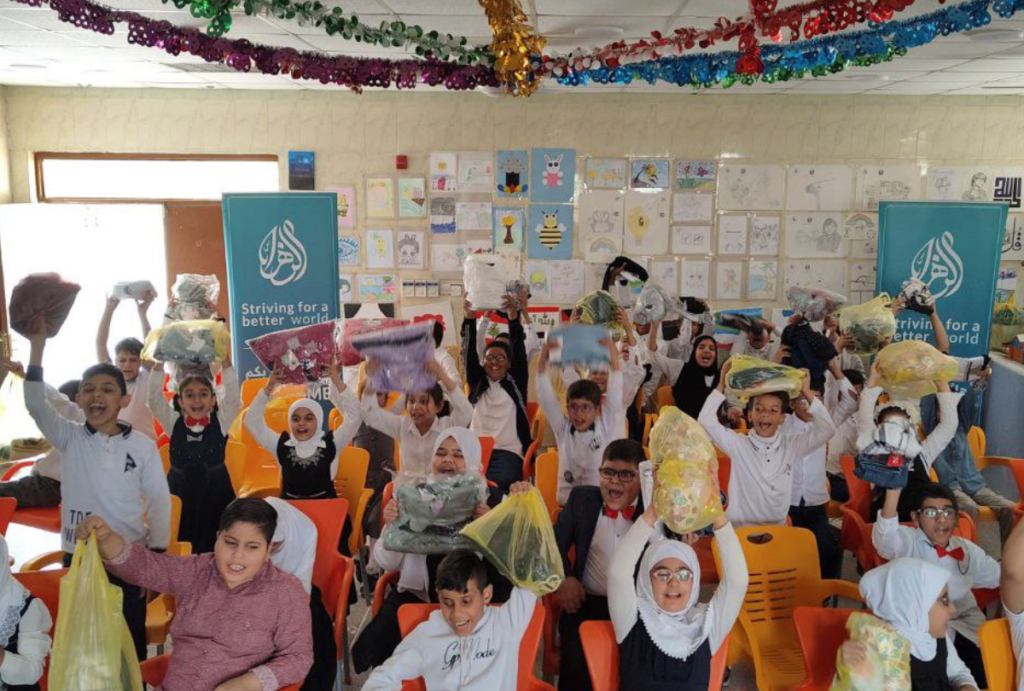
What’s Inside a Sponsored Classroom?
When most people picture a classroom, they think of desks, books, and a teacher leading a lesson. For a child facing poverty,…

Imam Hasan al-Askari (as): Preparing the next generation
The Wiladat of Imam Hasan al-Askari (as) offers believers an opportunity to reflect on the life of the eleventh Imam of the…
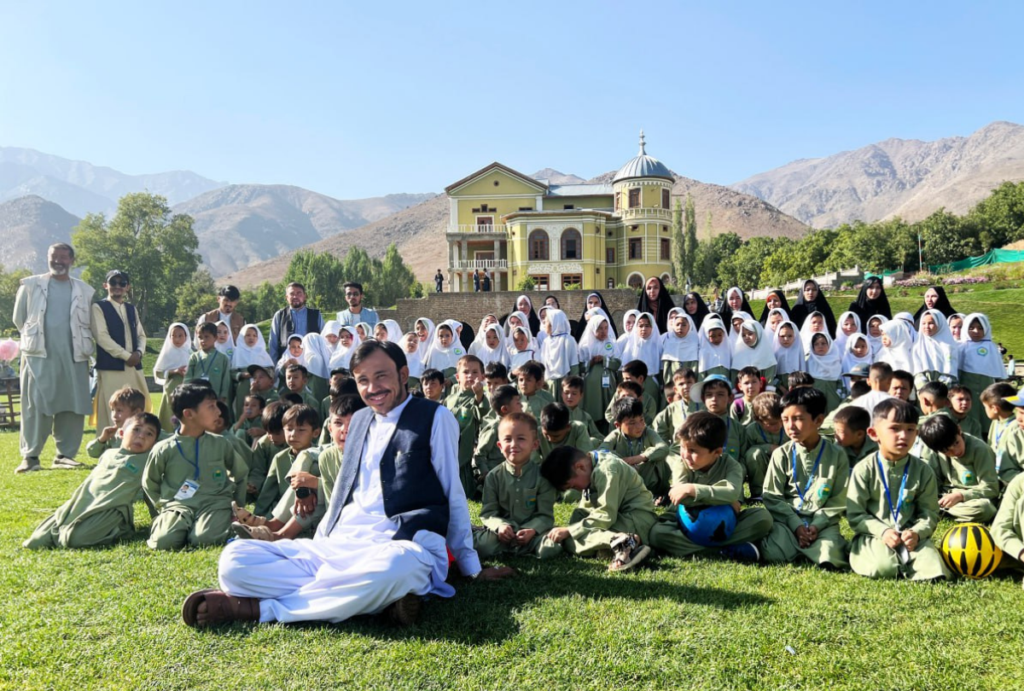
Knowledge as Sadaqah Jariyah: Why supporting education is a lasting legacy
Every believer hopes to leave behind a legacy that continues to earn the pleasure of Allah (swt). While many acts of charity…