
21 April 1926: What happened at Jannat al-Baqi, and why 8 Shawwal is remembered
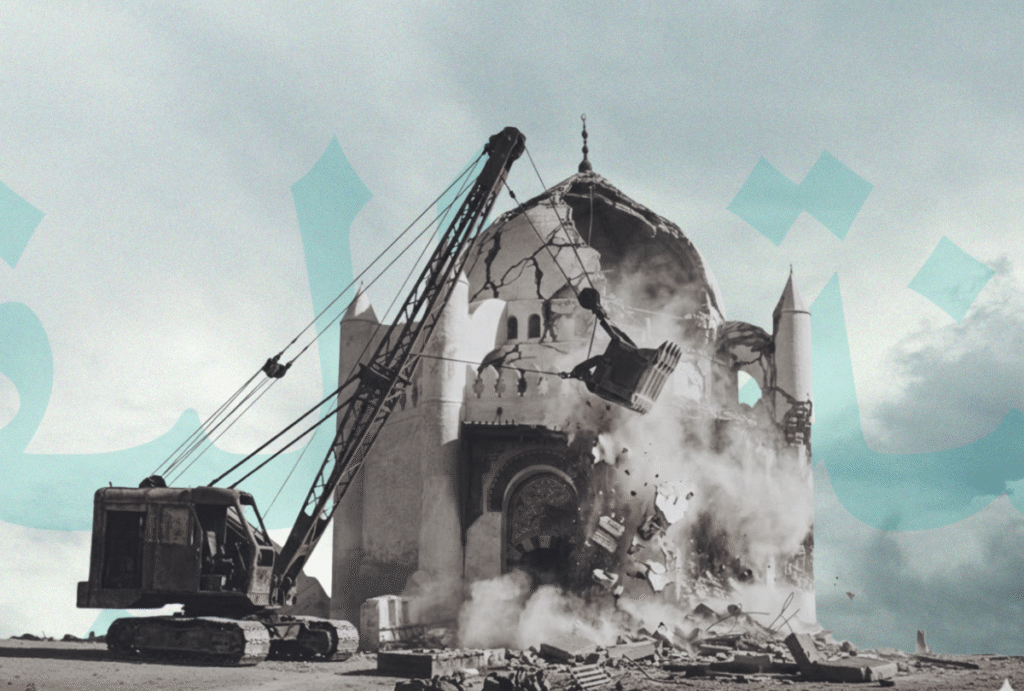
For many Muslims around the world, April 21, 1926, remains a day remembered with sorrow.
Associated with the 8th of Shawwal 1344 AH, it marks the demolition of historic shrines, domes, and grave markers in the sacred cemetery of Jannat al-Baqi in Medina.
The event is remembered not simply as a moment in history, but as a reminder of the importance of sacred spaces and the memory of those who shaped the earliest generations of Islam.
The Quran reminds believers that honoring what is sacred reflects the sincerity of the heart:
“And whosoever venerates the (sacred) symbols of Allah (swt), (that is a good deed, and) that indeed is (the result of) the piety of hearts.”
Surah Al-Hajj, Verse 32
For many believers, reflecting on this moment is part of honoring the legacy of the people whose lives helped shape Islamic history.
What is Jannat al-Baqi?
Situated beside Masjid al-Nabawi in Medina, Jannat al-Baqi is among the most historically important cemeteries in the Islamic world.
Over the centuries, it has become the burial place of numerous companions of Prophet Muhammad (saww), members of his household, and other respected figures from early Islamic history.
Among those buried there are revered leaders from the Prophet’s (saww) family, including Imam Hassan (as), Imam Sajjad (as), Imam al-Baqir (as), and Imam al-Sadiq (as). Their presence, along with many other early Muslims buried there, has made the cemetery a place of deep historical and spiritual significance.
Historically, visitors could recognize certain burial sites through shrines, domes, and grave markers that stood above them. These structures helped identify important graves and allowed visitors to reflect on the lives of those buried there.
What happened on 21 April 1926?
On 21 April 1926, corresponding to 8 Shawwal 1344 AH, the historic shrines, domes, and grave markers within Jannat al-Baqi were demolished.
Afterward, the cemetery was largely leveled and left without visible structures marking many of the graves.
This was not the first time the cemetery had experienced such destruction.
Earlier in the nineteenth century, during a previous period of control over Medina, many shrines in Jannat al-Baqi had also been demolished.
When authority in the region later changed, some of those structures were rebuilt. By the 1920s, the political situation in the Arabian Peninsula shifted again. Forces led by Abdulaziz Ibn Saud took control of the Hijaz region, which includes the holy cities of Mecca and Medina.
Following this change in power, the remaining shrines and domes in Jannat al-Baqi were removed.
Since that time, the cemetery has remained largely unmarked, with visitors seeing a simple landscape where the earlier architectural features once stood.
Why did the demolition happen?
The demolition was connected to religious views associated with the reform movement often described as Wahhabi, which developed in the Arabian Peninsula through the teachings of Muhammad ibn Abd al-Wahhab in the eighteenth century.
This movement emphasized a strict interpretation of monotheism and discouraged the construction of shrines or monuments over graves. Those who supported this interpretation believed that structures built over graves might lead to practices they viewed as excessive reverence toward individuals rather than focusing worship solely on Allah (swt).
For this reason, removing domes and shrines was seen by them as a way of preventing practices they considered religiously inappropriate. At the same time, many Muslims across different traditions have continued to view visiting graves as an important spiritual reminder.
This understanding appears in well-known Sunni sources.
The Prophet (saww) is reported to have said:
“Visit the graves; for visiting them becomes the cause of remembering the next world.”
Sunan Ibn Majah, Volume 1
Because of these differing perspectives, the history of Jannat al-Baqi is often discussed within the broader context of diverse interpretations regarding remembrance and religious practice.
What was lost?
Although the cemetery itself still exists, the removal of the historic shrines and domes dramatically changed its appearance. For generations, these structures helped visitors recognize where notable individuals were buried. They served as visible reminders of the early history of Islam and the lives of those who contributed to it.
Once the shrines and markers were removed, those visual connections to the past became harder to see. While the spiritual significance of the cemetery remains, the historical landscape that once helped people connect with that heritage largely disappeared.
For many believers, this transformation continues to carry a sense of loss, not only for the buildings themselves but for the tangible way they once helped preserve sacred memory.
How is the day marked today?
Today, many people remember the anniversary connected to the 8th of Shawwal as Yawm al-Hadm, meaning “the Day of Demolition.” The name reflects the historical event that changed the physical appearance of Jannat al-Baqi.
The day is also sometimes called Yawm al-Ghamm, or “the Day of Sorrow,” highlighting the emotional significance many people attach to the loss of the cemetery’s historic shrines and markers.
Each year, the date becomes an opportunity for reflection.
Scholars, writers, and community members often share educational reminders about the history of Jannat al-Baqi and the important figures buried there.
For many, the focus of the day is not debate but remembrance, ensuring that the history of the cemetery and the legacy of those buried there are not forgotten.
How to honor the day today
For many believers, remembering this day begins with reflection and prayer.
One of the most meaningful acts is offering dua (supplication), asking Allah (swt) to grant mercy and forgiveness to those who passed away before us. Historical accounts also describe the respectful way in which the righteous greeted those buried in cemeteries.
It is reported that when Imam al-Sadiq (as) entered a graveyard, he would say:
“Peace be on the folks of Paradise.”
Kamil al-Ziyarah, ch.105, h.18
This greeting reflects the humility and remembrance many Muslims try to maintain when thinking about those who have returned to Allah (swt).
Other meaningful ways to observe the day include:
- Sharing respectful reminders about its significance
- Teaching younger generations about early Islamic history
- Supporting faith-centered community initiatives that encourage knowledge and remembrance
Accuracy note
Many references cite 21 April 1926 as the date associated with the demolition, while some sources mention 1925. The annual commemoration is widely linked to the Islamic date of 8 Shawwal.Many references cite April 21st, 1926, as the date associated with the demolition, while some sources mention 1925.
The annual commemoration is widely linked to the Islamic date of the 8th of Shawwal.
A moment to remember and reflect
The history of Jannat al-Baqi remains deeply connected to the earliest generations of Islam.
Even though the physical landscape of the cemetery changed in the twentieth century, its spiritual importance continues to endure. Remembering this history helps keep the legacy of those buried there alive through knowledge, reflection, and respect.
Today, take a moment to learn, remember, or share this history with someone else. Even a small act of remembrance helps preserve sacred history for future generations.
Frequently Asked Questions
For many Muslims around the world, April 21, 1926, remains a day remembered with sorrow.Jannat al-Baqi is a historic cemetery located beside Masjid al-Nabawi in Medina. It contains the graves of many companions of Prophet Muhammad (saww), members of his family, and other respected figures from early Islamic history.
The 8th of Shawwal is remembered because it is the Islamic calendar date when the demolition of historic grave structures at Jannat al-Baqi in the early twentieth century occurred.
On 21 April 1926, the domes and built structures that marked certain graves in the cemetery were demolished. After this event, the cemetery was left largely without visible architectural markers.Other meaningful ways to observe the day include:
Yawm al-Hadm means “Day of Demolition”. It is the name used by many people to refer to the annual remembrance associated with the events linked to 8 Shawwal.
Yawm al-Ghamm means “Day of Sorrow.” Some people use this name when referring to the same historical event linked to 8 Shawwal. The term emphasises the grief many feel when remembering the loss of the shrines and visible historical markers that once stood in Jannat al-Baqi.
Many people observe the day through prayer for those buried in the cemetery, learning about Islamic history, and sharing respectful reminders about the significance of Jannat al-Baqi.
This greeting reflects the humility and remembrance many Muslims try to maintain when thinking about those who have returned to Allah (swt).
More from Blog

How Education Breaks the Cycle of Poverty
Discover how education helps break the cycle of poverty by creating opportunities for children, strengthening families, and building brighter futures. Support The…
Why was the First Revelation “Read”?
Discover why the first revelation began with “Read” and what Islam teaches about knowledge and education. Explore the message with The Zahra…

Building Hope for the Next Generation
Discover how education builds hope for the next generation and how your support can provide vulnerable children with the school supplies they…