Ramadan with Children: How to Keep it Meaningful and Manageable
Ramadan with children in the United States comes with its own rhythm — busy school schedules, extracurriculars, and long days.
Yet, this blessed month is a beautiful opportunity to raise confident, compassionate Muslim children who feel proud of their faith.
From the perspective of The Zahra Trust, Ramadan is about nurturing hearts, not enforcing rules.
“O you who believe! Fasting is prescribed for you as it was prescribed for those before you, so that you may attain God-consciousness.”
Surah Baqarah, Verse 183
Mindfulness, kindness, and intention are at the core — especially for kids.
Helping Children Understand Islam
Children thrive on simple explanations. Describe Ramadan as a month where Muslims try harder to:
- Be kind
- Help others
- Remember Allah (swt)
Share stories from the lives of the Prophet (saww) and the Ahlulbayt (as) to ground lessons in love and inspiration.
Making Ramadan Engaging and Kid-Friendly
To keep kids excited:
- Create a Ramadan countdown
- Let them help plan iftar
- Encourage them to choose a daily good deed
Fun doesn’t take away from spirituality — it strengthens it.
Charity and Compassion in Action
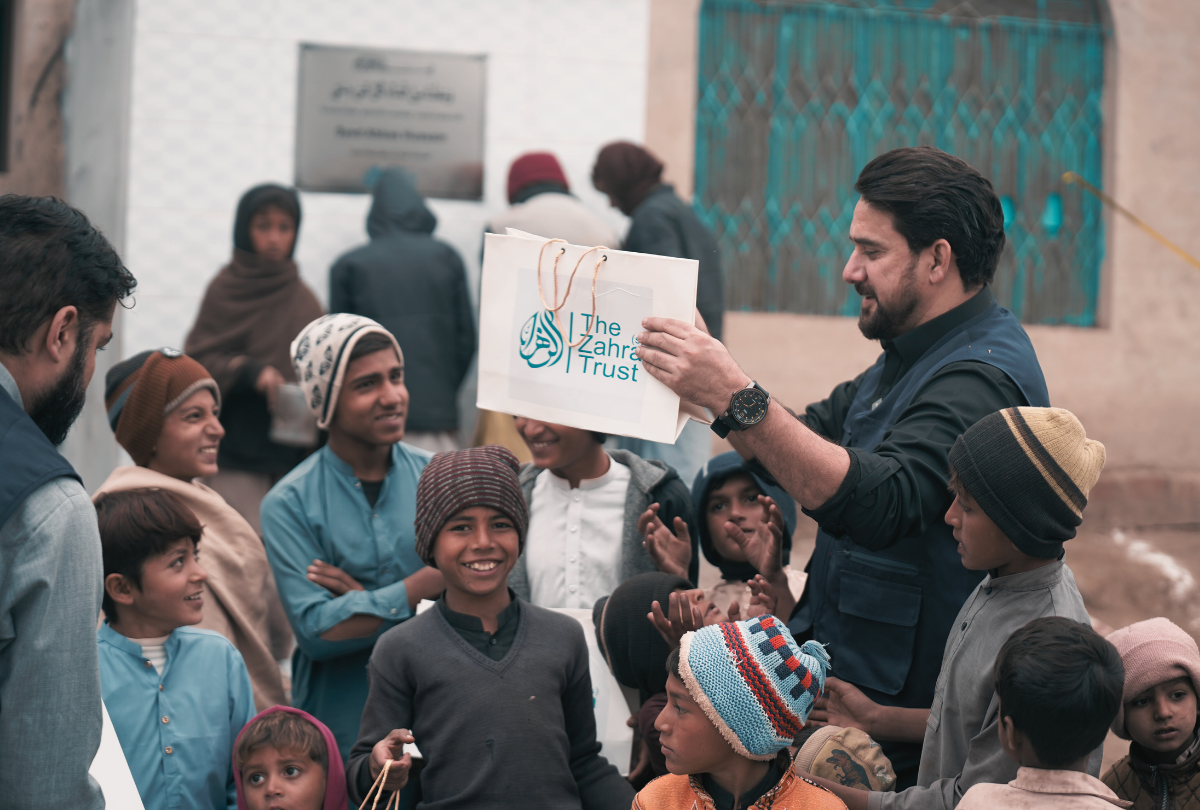
Ramadan is the perfect time to teach children about giving. At The Zahra Trust, we believe charity should be heartfelt and dignified.
Involve children by:
- Letting them donate their allowance
- Teaching them about helping orphans and families in need
- Explaining how Lady Fatima (sa) showed generosity even when she had little
These lessons shape values for life.
Balancing School, Fasting, and Faith
American school days are long, so flexibility is key:
- Partial fasting is okay
- Rest is encouraged
- Spiritual growth looks different for every child
Ramadan should uplift, not overwhelm.
Building Family Traditions
Simple traditions go a long way:
- Family dua before iftar
- Sharing one gratitude each night
- Reading short duas together
These moments build a positive emotional connection to Ramadan.
FAQ
By balancing school life with faith, focusing on kindness, prayer, and family traditions.
Children are not obligated to fast. Encourage them gradually, focusing on intention and spiritual growth.
Use crafts, charts, storytelling, and involve them in preparing for iftar and charity.
Shia families emphasise love for the Ahlulbayt (as), compassion, charity, and understanding over pressure.
Charity teaches empathy and gratitude. Simple acts like donating or helping others are powerful lessons.
The Zahra Trust focuses on compassion, dignity, and supporting vulnerable communities — values that align perfectly with Ramadan teaching