

Hazrat Ali al-Akbar (as) stands among the most beloved figures of Karbala, remembered not only for his bravery but also for his remarkable resemblance to the Holy Prophet Muhammad (saww). He was the noble son of Imam Hussain (as) and Lady Layla bint Abi Murrah, and from an early age, he embodied the values, character, and dignity of the Ahlulbayt (as).
In Islamic history, he is often described as the reflection of the Holy Prophet (saww). This title reflects far more than physical likeness. His speech, conduct, and devotion to Allah (swt) reminded people of the Prophet (saww), making him a living example of prophetic character.
His story is one of faith, sacrifice, and unwavering loyalty to truth. More than thirteen centuries later, his example continues to inspire believers to live with courage, compassion, and purpose.
Lineage and early life in Medina
Ali al-Akbar (as) was raised in Medina within one of the most honored families in Islam. As the son of Imam Hussain (as), he grew up surrounded by faith, knowledge, and righteousness.
Those who knew him admired both his appearance and his character. He carried himself with humility despite his noble lineage and was known for his wisdom, respect for others, and commitment to worship.
The Ahlulbayt (as) nurtured him upon the teachings of the Quran and the example of Prophet Muhammad (saww). These foundations shaped him into a young man whose life reflected the highest ideals of Islam.
His upbringing prepared him for the immense responsibilities and sacrifices that would later unfold in Karbala.
The reflection of the Holy Prophet (saww)
Ali al-Akbar (as) earned the title of the reflection of the Holy Prophet (saww) because he resembled him in multiple ways. Historical reports describe similarities in his appearance, speech, manners, and noble character.
This resemblance held deep emotional meaning for Imam Hussain (as). He would often be reminded of the Holy Prophet (saww) when he looked at his son.
Imam Hussain (as) famously expressed this connection when he saw Ali al-Akbar (as):
“Whenever we missed seeing Your Prophet (saww), we would look at him (i.e. Ali al-Akbar).”
Maqtal al-Hussain
This statement reflects not only physical resemblance, but also the continuation of prophetic character within the family of the Ahlulbayt (as). In Ali al-Akbar (as), the qualities of the Holy Prophet (saww) were seen once again in living form.
Quranic reflection and divine language
The story of Ali al-Akbar (as) is closely connected to the legacy of the families chosen by Allah (swt) to guide humanity. The Quran states:
This verse reminds believers that divine guidance often continues through blessed families who preserve faith and righteousness across generations.
According to historical reports, Imam Hussain (as) recited this verse when Ali al-Akbar (as) went to the battlefield. It was a poignant reminder that the family of the Prophet (saww) remained committed to truth despite the immense trials they faced.
Ali al-Akbar (as) represented the continuation of a sacred legacy. Through his character and sacrifice, he demonstrated the values that had been passed down through generations of prophets and their families.
Character, virtues, and spiritual excellence
The beauty of Ali al-Akbar (as) was not limited to his appearance. His true greatness was found in his character and relationship with Allah (swt).
He was known for his sincerity in worship and his deep commitment to faith. Those around him recognized his humility, wisdom, and generosity.
Among his most notable qualities were:
- Deep devotion in worship and remembrance of Allah (swt)
- Exceptional courage in the face of overwhelming odds
- Humility despite his noble lineage
- Eloquence in speech that reflected prophetic beauty
- Strong sense of justice and moral clarity
Like the Holy Prophet (saww), he demonstrated that genuine strength comes from moral character rather than worldly power.
His life serves as a reminder that believers should strive to beautify both their outward actions and their inner character.
Loyalty through the example of Ali al-Akbar (as)
One of the defining lessons from the life of Ali al-Akbar (as) is loyalty to Allah (swt) and steadfastness in the face of injustice.
The Ahlulbayt (as) consistently demonstrated complete devotion to divine guidance, even when it required immense sacrifice. Ali al-Akbar (as) followed this example fully on the day of Ashura.
A powerful narration from Maqtal al-Hussain describes his departure to the battlefield. Imam Hussain (as) is reported to have said:
Maqtal al-Hussain
This testimony captures the emotional and spiritual weight of his presence on the battlefield. He was not just a warrior; he was a living reminder of the Holy Prophet (saww) walking towards sacrifice.
His example teaches believers that loyalty to truth often comes with great personal cost, yet it is the highest form of devotion.
The Day of Ashura: A youth of courage
His courage reflected the strength of his faith. Despite overwhelming odds, he remained firm in his commitment to defend truth and justice.
Historical accounts describe how he fought bravely and returned at one point suffering from intense thirst. Yet even during moments of hardship, his resolve never weakened.
Eventually, Ali al-Akbar (as) was struck by a fatal blow and fell on the battlefield. His martyrdom became one of the most heartbreaking moments of Karbala.
For Imam Hussain (as), the loss carried extraordinary emotional weight. He was witnessing the sacrifice of a son who reminded him so deeply of the Holy Prophet (saww).
The martyrdom of Ali al-Akbar (as) remains one of the most powerful symbols of sacrifice, faith, and devotion in Islamic history.
Legacy of a youth in paradise
Although his life was short, the impact of Ali al-Akbar (as) continues to be felt centuries later.
Every year during Muharram, believers remember his courage and sacrifice alongside the events of Karbala. His story resonates especially with young people, demonstrating that age is not a barrier to faith, leadership, or moral excellence.
His legacy is not measured by worldly achievements but by the values he upheld. He showed that true success comes from remaining loyal to Allah (swt) and standing firm upon truth.
Today, his life continues to inspire reflection, remembrance, and renewed commitment to the teachings of the Ahlulbayt (as).
Lessons from the life of Ali al-Akbar (as)
The life of Ali al-Akbar (as) offers timeless lessons for believers of every generation:
- Stand for truth regardless of the challenges involved.
- Develop noble character and strong faith.
- Use youth as a time for growth, service, and devotion.
- Remain patient during trials and difficulties.
- Place obedience to Allah (swt) above worldly concerns.
- Support justice and help those facing hardship.
His example demonstrates that faith is not simply a matter of belief. It is reflected through action, sacrifice, and service to others.
Final Reflections
The life of Ali al-Akbar (as) remains a powerful reminder of faith, sacrifice, and unwavering loyalty to truth. As the reflection of the Holy Prophet (saww), he carried the values of mercy, courage, and devotion into the heart of Karbala, giving everything in the path of Allah (swt).
His story is not only one to be remembered during Muharram. It is one to be lived.
To answer “Labbayk Ya Hussain” is to carry the message of Karbala beyond remembrance and into action. The example of Ali al-Akbar (as) inspires us to serve others with sincerity, compassion, and generosity.
This Muharram, let your remembrance become a source of relief for families facing hardship. Through Muharram Giving, Food Aid, and Sadaqah, you can honor the sacrifice of Imam Hussain (as) and his family by supporting those in need.
Turn mourning into mercy. Honor Hussain through action. Let your remembrance feed a family and bring hope to those who need it most.
Donate today through The Zahra Trust and transform your love for the Ahlulbayt (as) into lasting service.
FAQs
Who was Ali al-Akbar?
Ali al-Akbar (as) was the son of Imam Hussain (as) and is known as the reflection of the Holy Prophet (saww) due to his resemblance in appearance and character.
Why was Ali al-Akbar (as) called the reflection of the Holy Prophet (saww)?
He was known for resembling the Holy Prophet (saww) in appearance, speech, manners, and noble character, as described by Imam Hussain (as).
How old was Ali al-Akbar (as) during the Battle of Karbala?
Different narrations and reports provide different ages, ranging from 18 years old to 28 years old.
What role did Ali al-Akbar (as) play in Karbala?
He delivered the Fajr adhan on the Day of Ashura. He was also the first from Bani Hashim to go into battle and fought bravely until he was martyred on Ashura.
Where is Ali al-Akbar (as) buried?
Ali al-Akbar (as) is buried in the shrine of Imam Hussain (as). He has been buried near the feet of Aba Abdillah (as).
What can we learn from Ali al-Akbar (as)?
His life teaches us courage, loyalty to truth, devotion to Allah (swt), and the importance of standing against injustice even in difficult times.
More from Blog
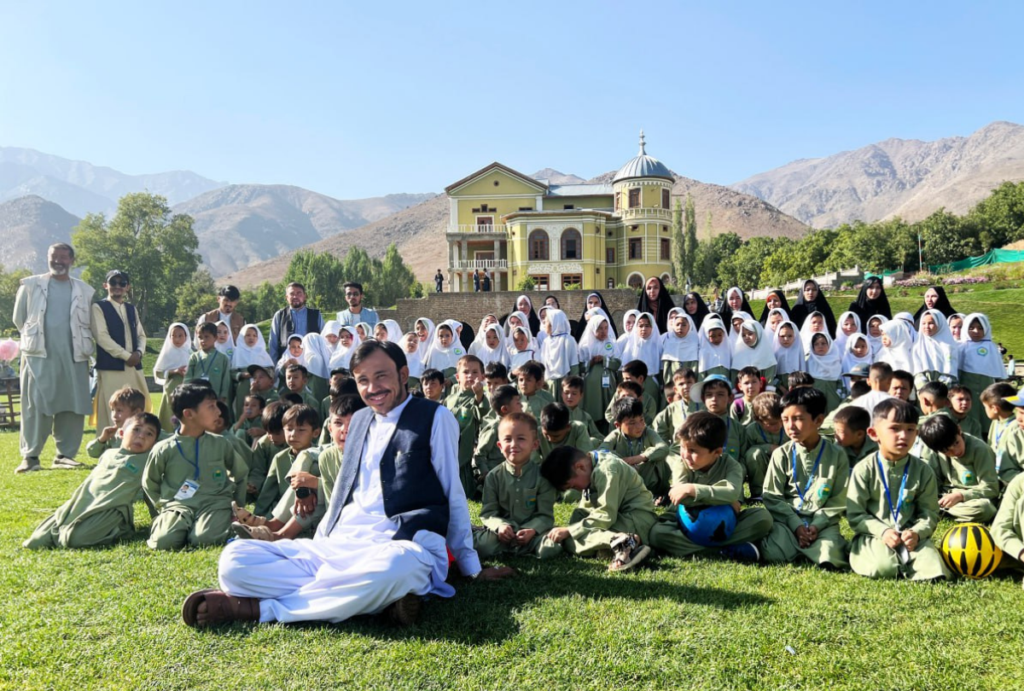
Knowledge as Sadaqah Jariyah: Why supporting education is a lasting legacy
Every believer hopes to leave behind a legacy that continues to earn the pleasure of Allah (swt). While many acts of charity…

Why school meals matter more than you think
For many children, school represents more than a classroom. It is a place of safety, opportunity, and hope. For millions of children…
5 Quran Verses About Knowledge and What They Teach Us
Knowledge is one of the greatest blessings Allah (swt) has given humanity. Through knowledge, we strengthen our faith, deepen our understanding of…